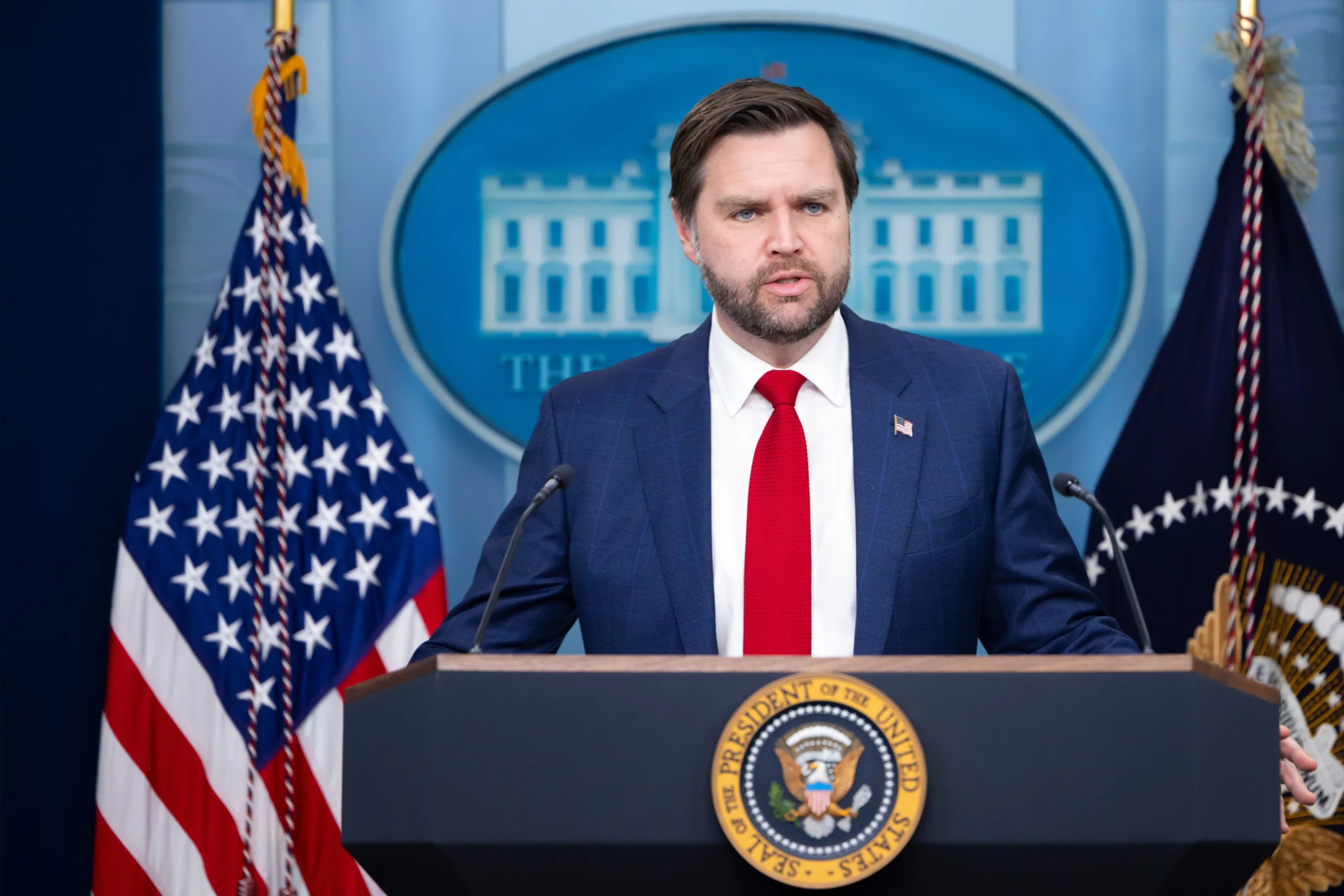
Negotiations between the United States (US) and Iran broke down Sunday after more than 21 hours of talks in Pakistan failed to produce an agreement to end the war, casting doubt over the future of a fragile two-week ceasefire.
Vice President JD Vance, speaking at a brief press conference in Islamabad, confirmed that Iran had rejected Washington’s terms. “We leave here with a very simple proposal: a method of understanding that is our final and best offer,” he said, adding that the door remained open should Tehran reconsider.
The talks, mediated by Pakistan and described as the highest-level face-to-face encounter between US and Iranian officials since the 1979 Islamic Revolution, centred on a range of contentious issues including control of the Strait of Hormuz, Iran‘s nuclear stockpiles, war reparations, and sanctions relief. Iran’s foreign ministry spokesman Esmaeil Baqaei said progress hinged on US “acceptance of Iran’s legitimate rights and interests.”
The breakdown leaves several critical questions unresolved, not least the fate of the ceasefire when it expires. Complicating matters further, Israel has continued airstrikes in southern Lebanon, which Iran has condemned as a violation of the truce. Prime Minister Benjamin Netanyahu said Sunday that while Iran’s military had been severely weakened, the war was “not over.”
Despite the diplomatic failure, the encounter itself marked a historic milestone, Iran’s parliamentary speaker led Tehran’s delegation in direct talks with an American vice president, an extraordinary development given that just six weeks ago US and Israeli strikes killed Iran’s supreme leader.
President Trump, watching UFC 327 in Miami as talks collapsed, projected indifference. “We win, regardless,” he said. “We’ve defeated them militarily.”