The UAE Infrastructure and Housing Council has reviewed a plan to develop a public transport network linking Dubai, Sharjah and Ajman, as the country looks to reduce the number of vehicles on one of its most congested corridors.
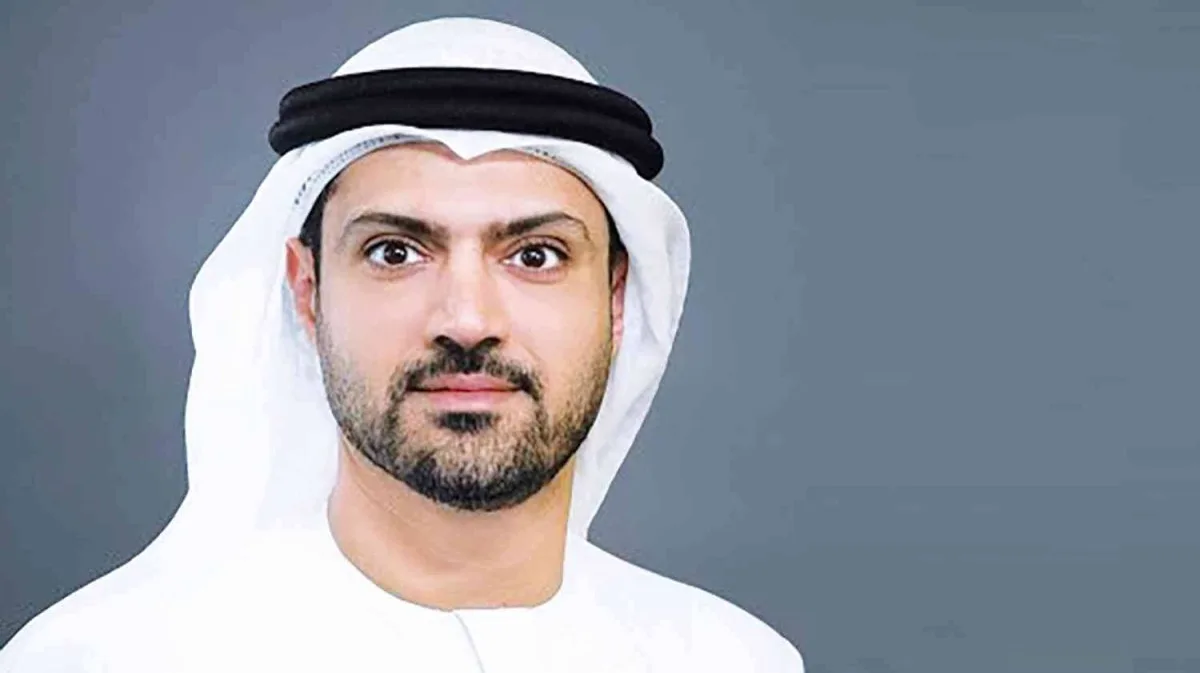
The proposal comes on the sidelines of the UAE Infrastructure and Housing Council’s first meeting of 2026, chaired by Suhail Mohamed Al Mazrouei, Minister of Energy and Infrastructure.
The meeting reviewed progress on initiatives aimed at advancing the country’s infrastructure and transport network.
UAE Infrastructure Council charts 2026 transport strategy at first annual meeting
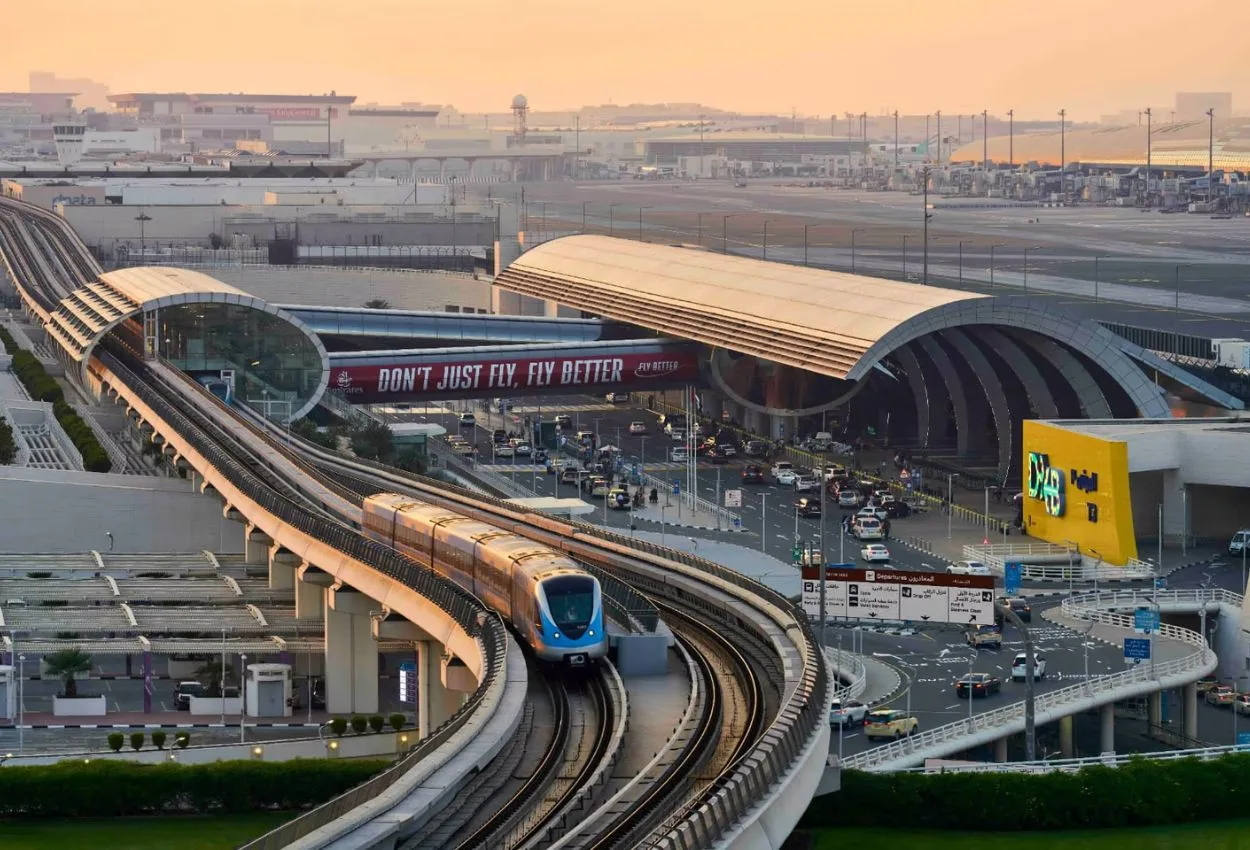
The proposal includes a network of 10 routes supported by Bus Rapid Transit systems and dedicated lanes, with connections to metro stations and city centres. The Council noted that work is under way on solutions to strengthen the public transport network by linking residential areas with business hubs. These measures are intended to reduce dependence on vehicles and ease congestion.
The session further covered federal policy studies on limiting vehicle numbers, public transport solutions connecting Dubai, Sharjah and Ajman, updates on the Fourth Federal Corridor, and plans to increase the capacity of federal roads linking the emirates.
The discussions form part of a broader effort to support the objectives of the ‘We the UAE 2031’ vision, with a focus on traffic congestion, traffic flow and mobility across the country.
AED6 billion fourth federal corridor: UAE reveals details of 68km road project
The Council received updates on the Fourth Federal Corridor, one of the country’s road projects, which is designed to improve connectivity between the emirates and increase road network capacity.
The project involves the construction of an approximately 68-kilometre federal road with 10 intersections, six to eight lanes in each direction and four flyovers. The estimated cost stands at AED6 billion.
Technical updates presented at the meeting included revisions to connection points and coordination with local authorities to finalise route alignments in line with broader development plans.
Progress on linking Ajman to both the Third and Fourth Federal Corridors was also reviewed, with the Council noting this would provide alternatives for traffic movement and improve mobility between the emirates.
The Council also reviewed operations during recent weather conditions, examining the mechanisms used to address challenges caused by rainfall and maintain the movement of traffic. The discussion underlined the need to use lessons from those events to strengthen preparedness and inter-agency coordination.
UAE moves to strengthen public transport links between Northern Emirates
“Developing the infrastructure system is a fundamental pillar of the UAE’s comprehensive development journey and a key driver of the country’s competitiveness. The next phase requires accelerating the implementation of high-impact projects that enhance the efficiency of the transport system and support the transition towards smart and sustainable mobility patterns, in line with population growth and urban expansion,” Al Mazrouei said.
He added that advancing public transport remains a priority through models that strengthen integration across transport modes. “These efforts will contribute to reducing congestion, lowering emissions, improving resource efficiency, and reinforcing the concept of integrated cities,” he said.
The minister further stressed that the Fourth Federal Corridor reflects the country’s commitment to developing infrastructure that enhances connectivity between the emirates, supports economic activity, and facilitates the movement of people and goods.