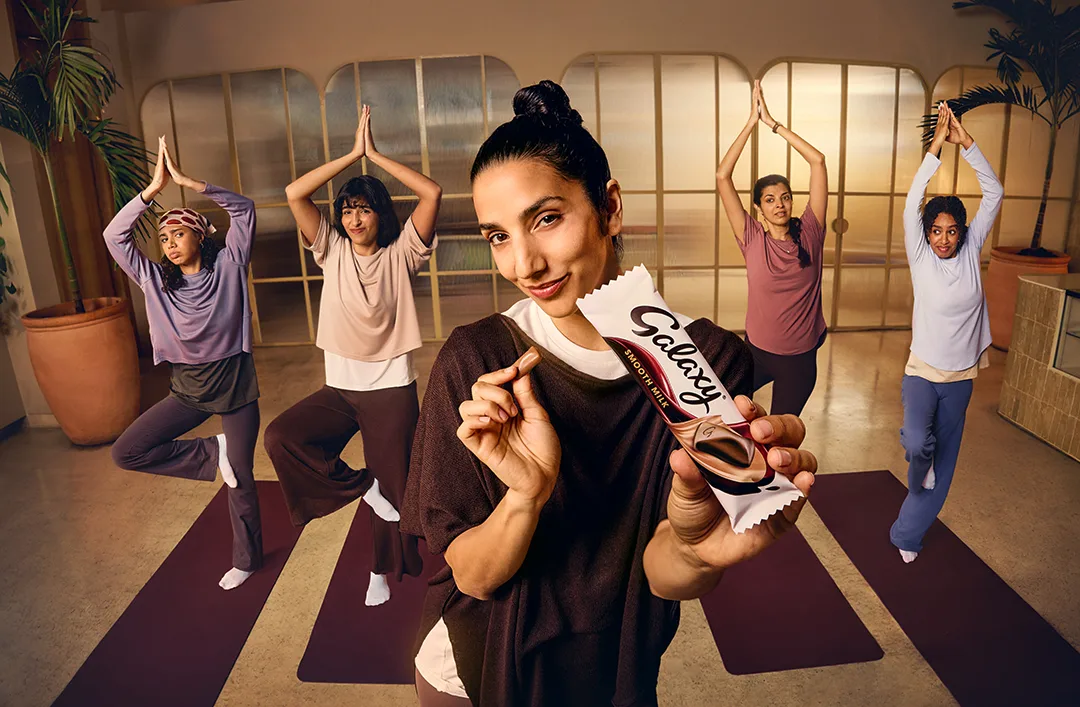
Around 84 per cent of women surveyed across the UAE, Saudi Arabia and Egypt say they want more uninterrupted time for themselves, according to new research commissioned by Galaxy and released today. The figure reaches 91 per cent in Egypt, compared with 82 per cent in Saudi Arabia and 79 per cent in the UAE.
The Galaxy Time Global Report surveyed 8,000 consumers across six markets. The Middle East findings draw on 3,000 female respondents across the three countries.
“Self-care without interruption is a prerequisite for psychological restoration. The body needs continuity to genuinely restore itself. When we interrupt someone’s self-care, we’re not just stealing minutes… we’re actively preventing the restorative state that makes that time valuable. I am pleased to see in the data that women no longer struggle with guilt about taking time for themselves. Now, what they need and are asking for is for others to respect the boundary they’ve already decided they need” Dr. Saliha Afridi, PsyD said in a statement.
A consistent theme emerges: having personal time is not the same as being able to enjoy it. Across all three markets, 93 per cent of respondents say me-time only feels truly meaningful when it is undisturbed. In the UAE specifically, 74 per cent say they get less personal time than they would like, while 93 per cent say uninterrupted time is the threshold for it to feel genuinely restorative.
The rituals women value most tend to be simple and sensory. Savouring a coffee is cited by 60 to 66 per cent of respondents across the region. Skincare rituals matter to 45 to 54 per cent, peaking in the UAE. Scenting the home is cited by four in 10 women in Saudi Arabia, the highest proportion among the three markets.
What makes those rituals fragile is how easily they are broken. Among women who do get me-time, the average interruption lasts between 24 and 32 minutes. Women in Egypt report an average of 5.5 interruptions per day. Nearly half of women in Egypt (48 per cent) and Saudi Arabia (47 per cent) say they feel upset when their personal time is cut short.
The most common irritant is someone asking a question they could have answered themselves, cited by 41 per cent in the UAE, 37 per cent in Saudi Arabia and 36 per cent in Egypt. Work interruptions are a particular pressure point in the UAE: women there are seven percentage points more likely than the six-market average to be interrupted by colleagues during me-time (21 per cent versus 14 per cent), and seven points more likely to be interrupted by a manager (16 per cent versus 9 per cent).
“Galaxy has always been associated with moments of relaxation, indulgence and the pleasure of smooth, silky chocolate. As the pressures and demands on women’s time continue to increase, it is more important than ever to protect ‘me-time’ and ensure it remains uninterrupted. We need to be intentional about giving women the space to truly unwind, while everything else can wait. Our research shows that women are not asking for permission to enjoy time for themselves; they are asking the world around them to honour it. It is a small ask, but one that can make a meaningful difference. After all, even a few uninterrupted minutes can transform a simple pause into a truly pleasurable moment,” Dalia Salib, Chief Marketing Officer at Mars MEA added.
One finding pushes back against a common assumption. Women across the three Middle East markets are less likely than the global survey average to cite guilt as a barrier to taking time for themselves. Only 6 per cent in Egypt and Saudi Arabia name it as the main obstacle, and 9 per cent in the UAE, against a six-market average of 12 per cent. The data suggest practical interruptions are the more immediate constraint.