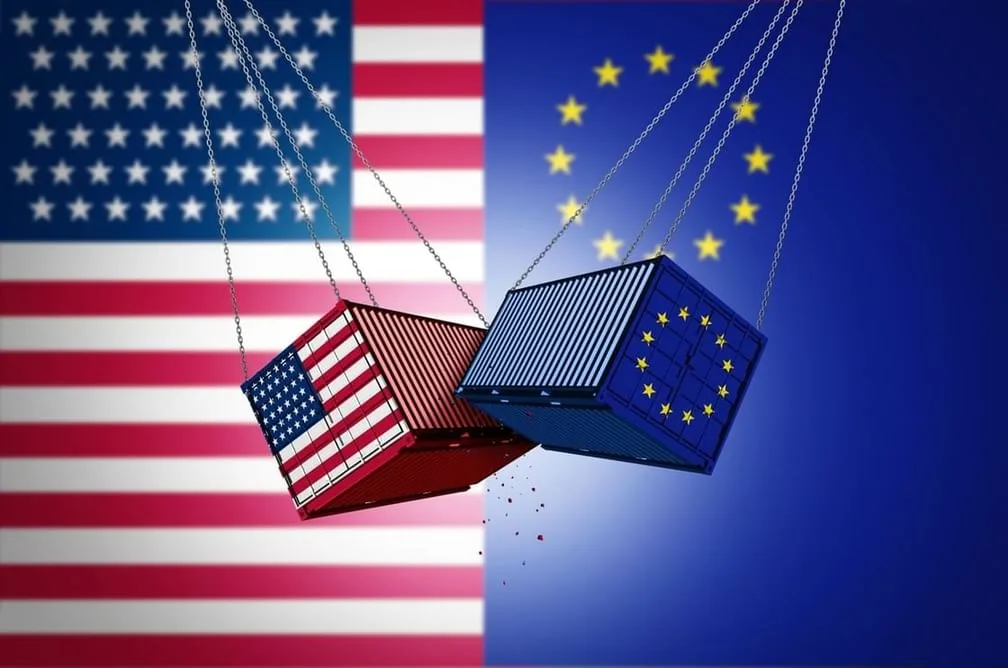
The European Commission has signalled it is prepared to accept new US tariffs on certain European goods linked to suspected forced labour, on condition that Washington honours its commitment to keep duties on EU exports below a 15% ceiling.
The development comes as the Trump administration moves to reinstate what it calls “reciprocal tariffs” following a US Supreme Court ruling in February that struck them down. Among the measures Washington is seeking to revive is a 15% duty on most EU exports to the American market. A temporary 10% tariff imposed in the wake of that ruling is due to expire this Friday.
In June, the Office of the US Trade Representative proposed an additional 10% levy on European products suspected of benefiting from forced labour, under an investigation conducted pursuant to Section 301 of US trade law. Those tariffs are widely expected to replace the current interim rate and could be applied at any time.
A senior European Commission official said Brussels has no objection to the legal mechanism Washington chooses to impose the duties, as long as the agreed ceiling is not breached. “Regardless of the legal form or instrument used by the United States, the tariffs must remain below the agreed maximum of 15%,” the official said.
The official added that what matters most to the EU is that the new framework be stable and predictable, giving European businesses the certainty they need to benefit from the understandings already reached.