
A visit to Dubai Mall often feels less like a trip to the shops and more like a slow walk through a live set. The distance between storefronts is not empty space. It is a stage. Mirrors do more than reflect faces. They reflect a bigger idea about how a city and fashion learn to speak the same language. In Fashion Avenue you sense that the place is built to let style unfold in public view, with more than 200 luxury houses gathered in one scene that treats elegance as a daily skill rather than a distant spectacle.
Scale makes the idea work. In 2024 the mall welcomed over 111 million visitors. That figure explains why the corridors behave like an open theatre. It means rhythm, variety and a constant audience. It also tells you why a small styling moment beside a window can reach more people than a traditional ad. The record builds on 2023 and sets the tone for how a public fashion space can thrive inside a retail environment.
Details on the ground sharpen the experience. Level Shoes inside the mall is the world’s largest luxury shoe store, spread over roughly 96,000 square feet and housing more than 200 brands and a network of dedicated designer boutiques. The layout slows you down. It gives each zone its own mood so the act of trying on a pair becomes part of the narrative, not a break from it. When a visitor takes a photo in a well-composed fitting area, the image feels like a natural extension of the store design.
The hardware behind the scene is expanding. The new Dubai Mall Exhibition Centre adds five halls across a total of 10,000 square meters, with capacity for up to 6,000 people. Bookings open on January 15, 2026. This is not a side note. It is the backbone that lets workshops, installations and parallel sessions run without friction and gives the public space a set of indoor runways where the sound and flow are under control.
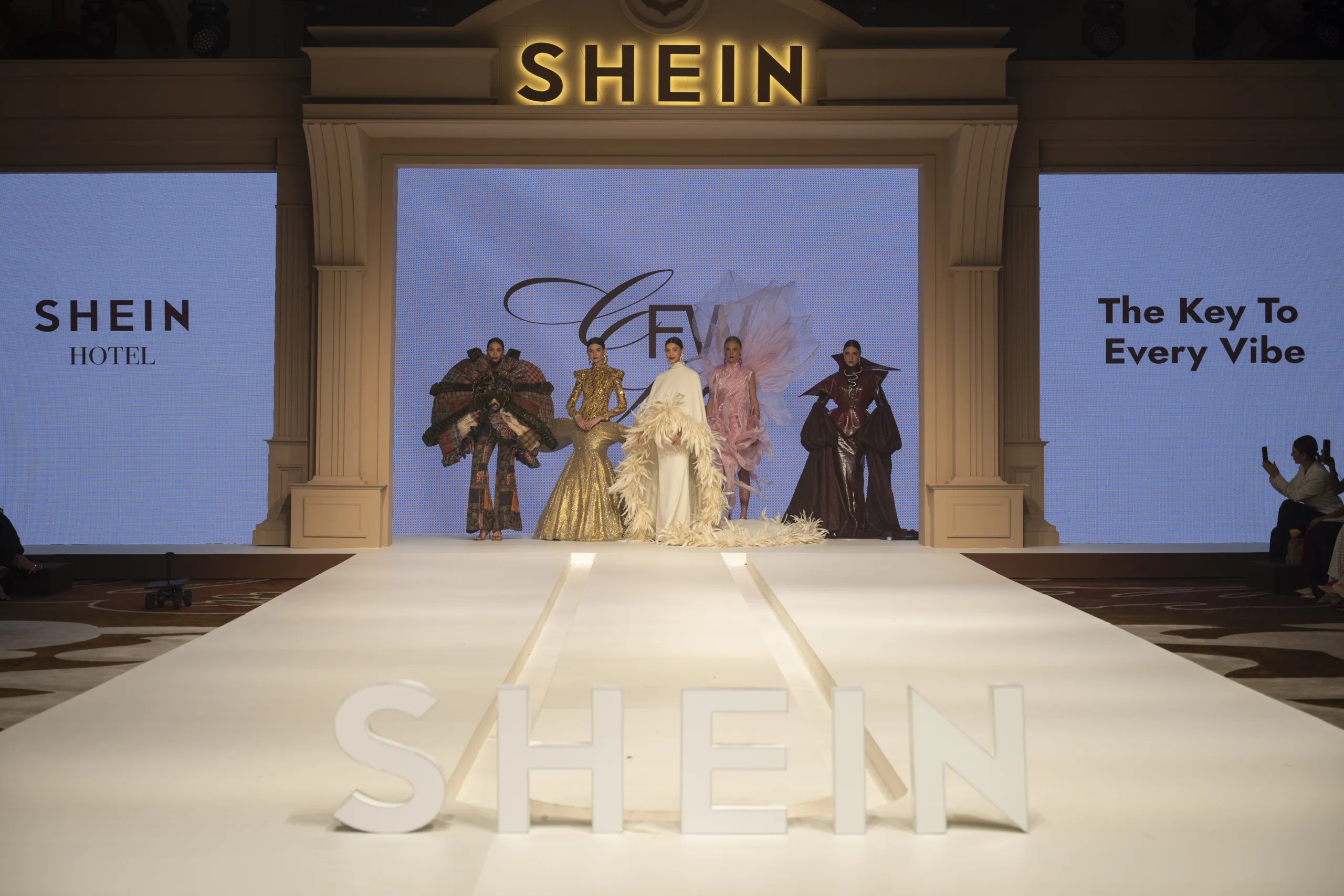
On January 29 and 30, 2026, the mall will host the Dubai Mall Festival of Fashion, a two-day program of 12 fashion masterclasses across multiple venues, ending with the Dubai Mall Global Fashion Awards at Armani Hotel Dubai. Placing these short, useful sessions in the middle of everyday footfall makes the “public space” idea real. People learn something small and carry it with them as they move on.
Architecture acts like a quiet director. High openings let the eye travel. Polished floors soften the glare and keep images clean on camera. Even the soundscape has a pattern. Step away from a busy facade and you find a calmer pocket where decisions feel easier. With Emaar’s mall assets running at about 98.5% occupancy by the end of 2024, these environmental controls are part of daily discipline rather than a special setup.
The city feeds the stage with a steady audience. Dubai welcomed 18.72 million international overnight visitors in 2024. That flow means the fashion scene at Dubai Mall is written in many languages at once. It also means the place is right to use the corridor as a gentle runway, where people can test how a cut or a colour works on them before they make a choice. The lesson is light and practical and fits the city’s pace.
For brands, the window becomes a headline and the store becomes the story. A stylist explains the difference between a soft shoulder and a stronger line. A fabric expert shows how a weave behaves in Dubai’s climate. Fashion Avenue helps the conversation because proximity invites direct comparison and clearer choices. During the festival, that effect will multiply as masterclasses live next to displays and small set-pieces that turn learning into a public act.
The broader shift is powered by expansion. Emaar has committed AED 1.5 billion to grow Dubai Mall, adding a large slate of new luxury and dining options and introducing a contemporary precinct known as The District. More doors mean more small stages, more curated routes and a more flexible grid for future cultural programming. As the hardware grows, it becomes natural to see formats that move past traditional shows into talks, workshops and regional collaborations.
In the end the idea is simple. A traditional runway separates model and viewer. Dubai Mall dissolves that line in a calm way. It lets the walk itself become a kind of show. It gives each person the chance to test how fashion works on them, not only to watch it. When a visitor leaves with a good image, a thoughtful purchase and a small idea they learned along the way, the public space has done its work. That is the value created by careful design, strong numbers and smart programming around an event like the Dubai Mall Festival of Fashion.