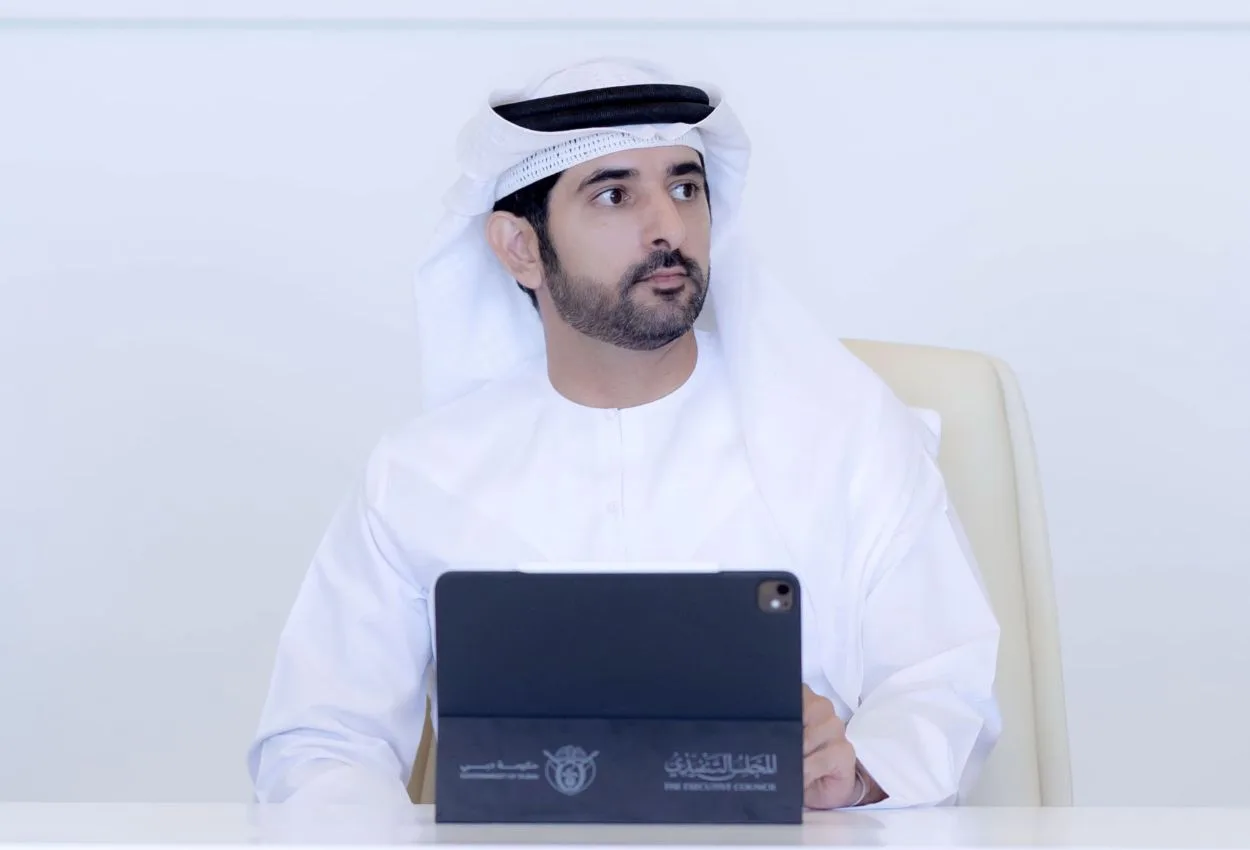
Under the direction of Sheikh Hamdan bin Mohammed bin Rashid Al Maktoum, Crown Prince of Dubai, Deputy Prime Minister, Minister of Defence and Chairman of the Dubai Executive Council, the Knowledge and Human Development Authority (KHDA) has launched what it describes as Dubai’s first integrated life skills framework for learners at all stages of education.
The “Skills for Life” system takes effect from the 2026–2027 academic year. Its launch is timed to coincide with the UAE’s Year of the Family and is designed to align with both the National Education Charter issued by President Sheikh Mohamed bin Zayed Al Nahyan and Dubai’s Education Strategy 2033.
The framework follows learners from pre-kindergarten through to graduation and beyond, embedding practical, personal, social and digital skills into curricula rather than treating them as standalone subjects. KHDA said the intent is to build self-confidence, adaptability and a sense of purpose in students as technology continues to reshape how people live, learn and work.
The skills covered span several domains: healthy lifestyles and nutrition, daily life management including time management and goal-setting, financial literacy and responsible consumption, social skills and relationship-building, psychological resilience and self-regulation, and responsible digital habits including critical thinking in online environments. The framework also incorporates sustainability behaviours aligned with Dubai’s environmental goals.
Alongside the new framework, KHDA is grouping several existing and new initiatives under the Skills for Life umbrella. These include “Astrolab of the Future,” a career and academic guidance initiative; “Students’ City,” aimed at enriching the overall learning journey; “Skills of Tomorrow,” which focuses on identifying and updating future-ready competencies on an ongoing basis; “Learn Wherever You Are,” a quality improvement initiative benchmarked against global best practices; and “Life Camps,” which provides winter camps for life skills development and builds local and international partnerships to support youth leadership and non-formal learning pathways.
KHDA said the system places learner wellbeing at the centre of the educational process and introduces clear learning outcomes and quality assurance tools for education providers, tailored to each stage of schooling.