
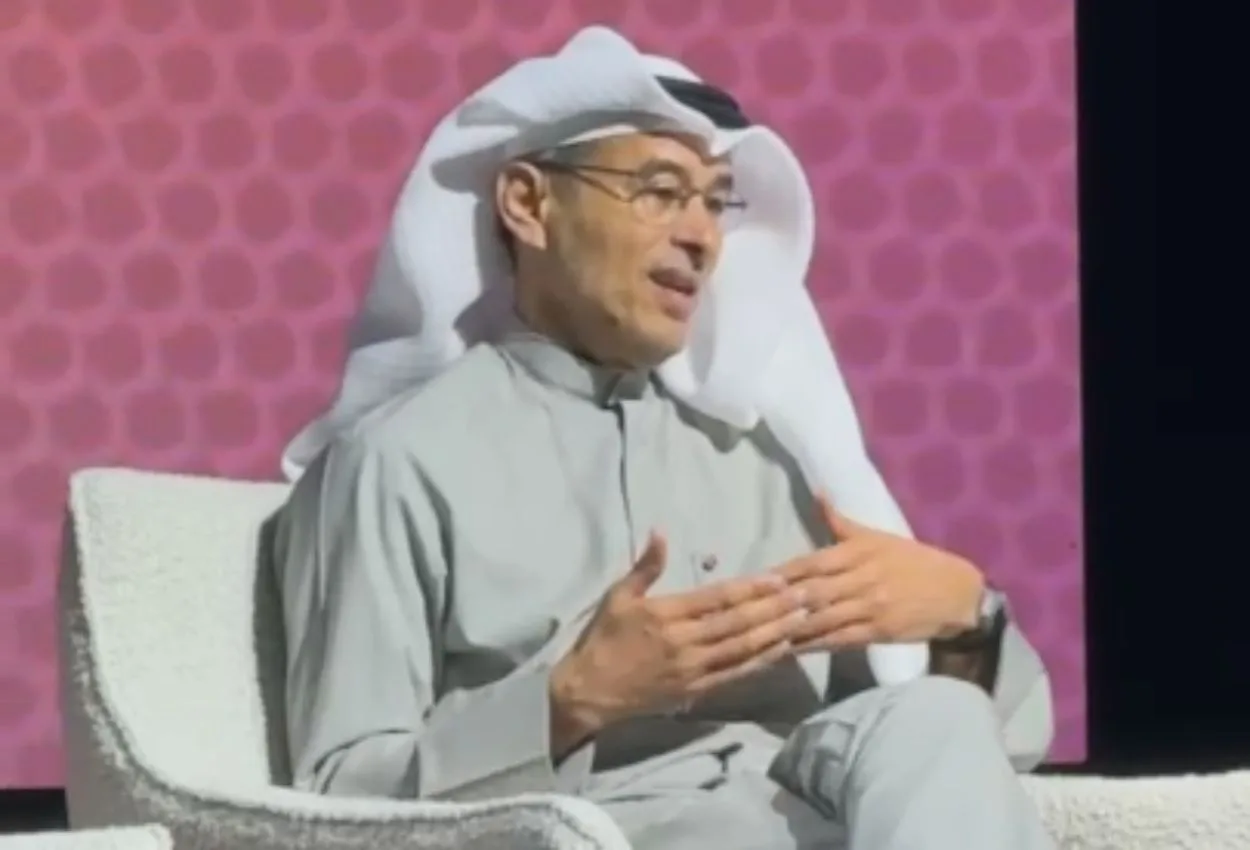
Mohamed Alabbar has announced a Dh200 billion project in Dubai, with the location not yet disclosed, telling an audience at the Emirati Media Forum on Monday that the development was conceived and designed during the period of regional conflict.
“We have announced a project worth 200 billion. We haven’t told people where it is yet. We designed all of this during the war,” said Alabbar, the founder of Emaar and Noon and chairman of Eagle Hills, speaking in a session titled “The UAE: Where Security Meets Opportunity,” organised by the Dubai Press Club. “Why? Because you believe you are part of a great institution, in a great country, and that tomorrow will always be better.”
Alabbar framed the decision to press ahead through turbulence as a product of what he called “positive paranoia” — an ingrained, forward-looking vigilance that he attributed to both the country’s leadership and its commercial culture. “The successful ones never sleep. They are always worried, but it is a positive worry, a passion for what they do,” he said. “That is the UAE.”
He pointed to sales activity during the recent period of regional tension as evidence of the market’s durability. “Even during the war, we were selling. There were days we sold 160 units. There were days we sold half a billion dirhams in a single day,” he said.
On the broader property market, Alabbar said a correction is already under way and forecast the sector would reach equilibrium within the next two years. “The market is starting to enter a balanced phase now. I expect that by 2027 it will be a very well-balanced market,” he said. He also credited the UAE’s legal framework for offering stronger protection to developers and investors than comparable European markets.
Alabbar closed with a pointed comment about marketing standards in the sector, criticising developers who rely on heavy advertising. “You are not selling pizza, you are selling a home worth a million,” he said. “Our culture is a realistic one. Everything we say, we don’t exaggerate. Because we were all taught that our work is what speaks for us.”