Israeli strikes killed at least six people in Gaza on Saturday, among them Al Jazeera cameraman Ahmed Wishah and at least one child, according to health officials and rescue workers.
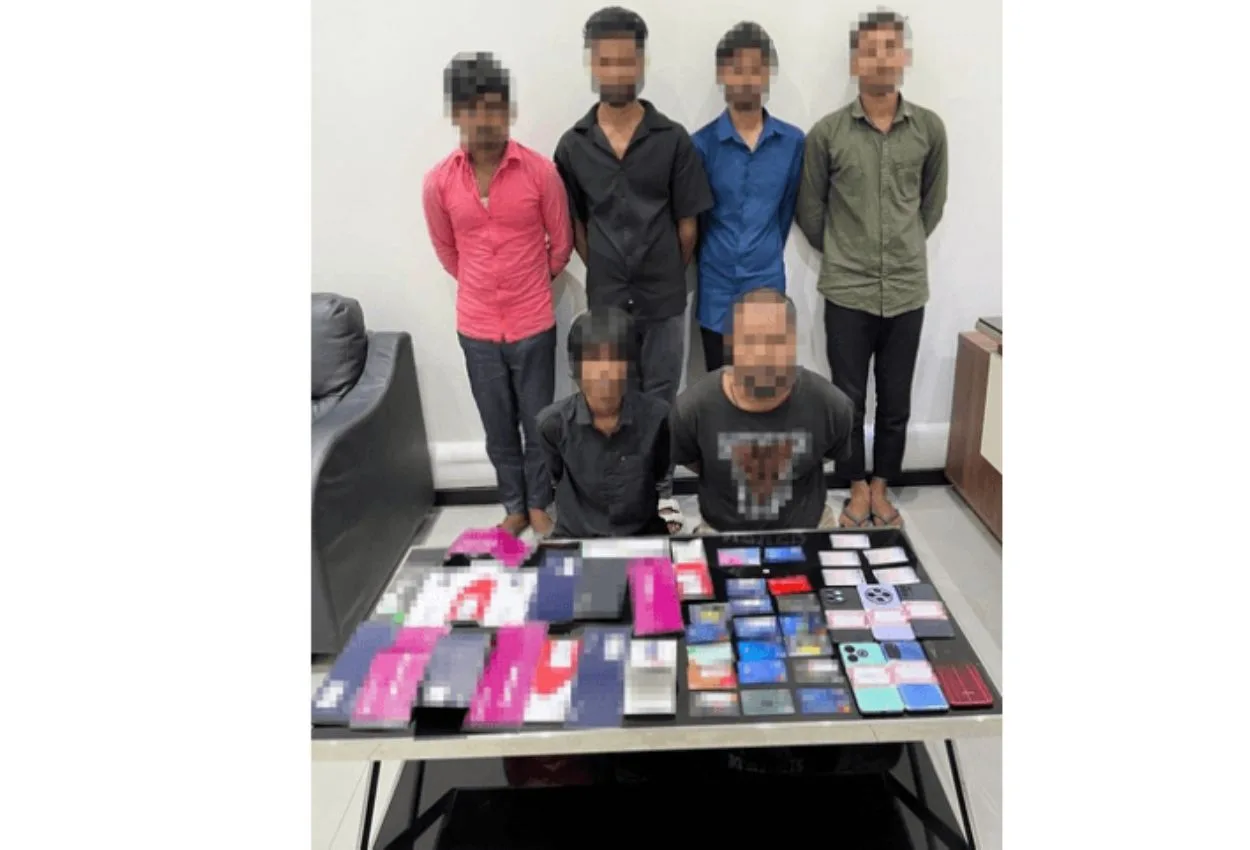
Wishah was killed in a strike on a home in Bureij refugee camp in central Gaza. Two other people died in the same strike. The IDF accused all three of being members of Hamas, claiming Wishah had served as a sniper operative and had in recent months advanced attack plans against Israeli troops. No evidence was provided to support either claim.
Al Jazeera condemned the killing in strong terms. “The killing of Ahmed Wishah constitutes a new and flagrant violation of all international laws and norms, and reflects a continued systematic policy of targeting journalists and silencing the voice of truth,” the network said. Wishah’s brother Mohamed, also an Al Jazeera correspondent, was killed in an Israeli strike in April. The IDF accused him of involvement in Hamas rocket and weapons production, again without providing details.
In a separate incident overnight, four members of the same family were killed in a strike on a home in the Sabra neighbourhood of Gaza City, according to civil defence officials, relatives, and a nearby hospital. The dead included two women and a child, medics told Reuters. A relative, Nael Safadi, told AFP the strike hit around 02:00 local time. “They have no connection to Hamas, nor are they involved in anything,” he said. “They’re just innocent children.” Another cousin, Mohammad Safadi, asked the AP: “Is this really a ceasefire? We are civilians. I never held a weapon.”
Gaza’s Hamas-run health ministry, whose figures the UN regards as reliable, said the Israeli military has killed 1,007 people since the ceasefire between Israel and Hamas came into effect last October. The total death toll in Gaza since the conflict began in October 2023 stands at more than 73,000, according to the ministry.
Both Israel and Hamas have accused each other of violating the ceasefire. The deal also required Hamas to disarm and withdraw from governance, which has not yet occurred, and committed Israel to progressively handing over territory. In May, Prime Minister Benjamin Netanyahu said he had directed the IDF to extend Israel’s control to 70% of Gaza.
The humanitarian situation inside the territory remains dire. Tom Fletcher, head of the UN’s humanitarian agency, told the Security Council this week that the share of households going to bed hungry had fallen from 92% to 36% since the ceasefire, as more aid trucks entered. He added, however, that 70% of the population still lacks adequate shelter, sanitation is deteriorating, and essential services are “on the brink.” “Today, Palestinians in Gaza remain deprived of the basics that you would all demand for your own families: safety, shelter, clean water, healthcare, education,” he said.