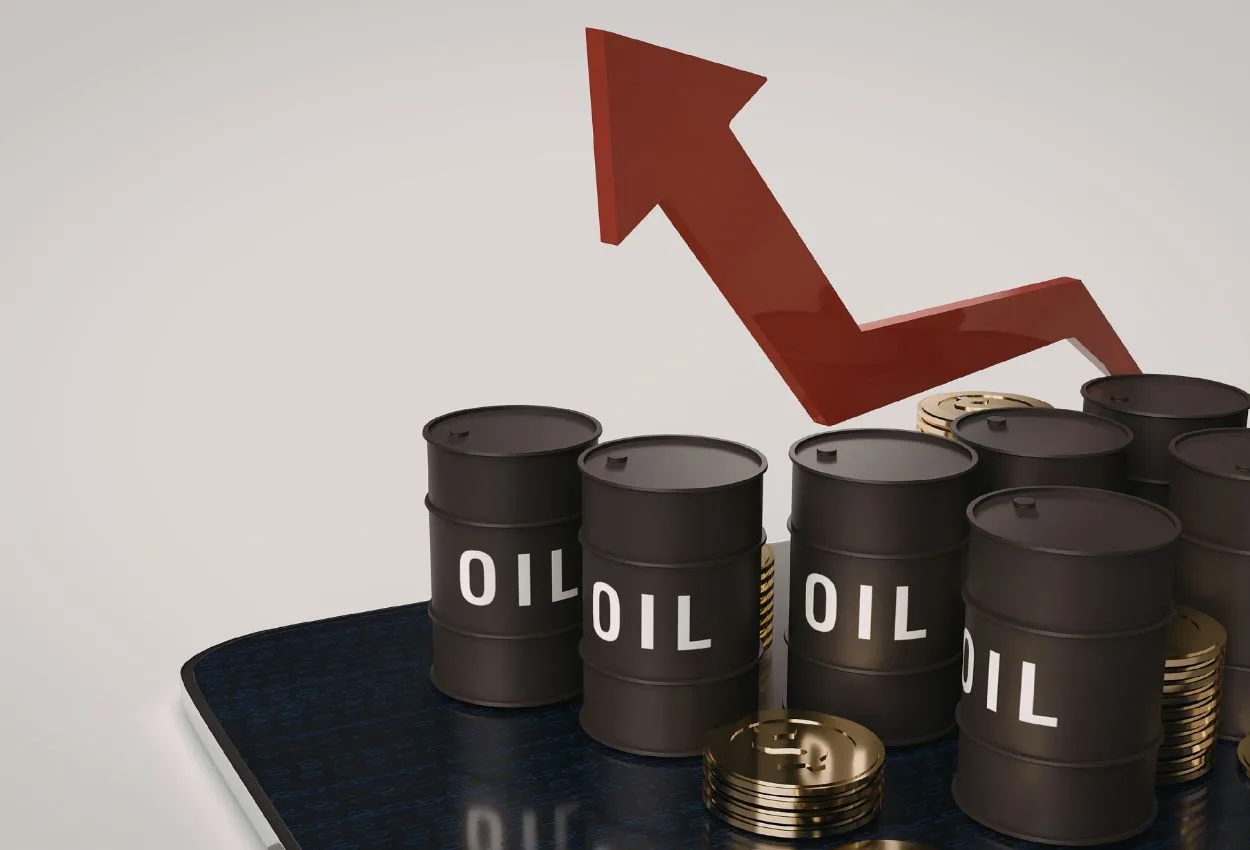
Oil prices rose on Friday, extending gains that have now run across four consecutive months, with both benchmarks reaching levels not seen in years.
Brent crude futures for July rose $1.19, or 1.08 per cent, to $111.59 a barrel by 0149 GMT. West Texas Intermediate futures were up 39 cents, or 0.37 per cent, to $105.46 a barrel.
Both benchmarks have posted gains across four straight months. Brent’s June contract, which expired on Thursday, hit $126.41 a barrel, the highest since March 2022.
UAE exits OPEC as of May 1, 2026
Recently, the UAE announced its decision to exit the Organisation of the Petroleum Exporting Countries, known as OPEC and OPEC+, effective 1 May 2026.
In a statement, the UAE said the decision “reflects the UAE’s long-term strategic and economic vision and evolving energy profile, including accelerated investment in domestic energy production.”
The country, which joined OPEC in 1967 through the Emirate of Abu Dhabi and continued its membership following the formation of the United Arab Emirates in 1971, said the move was “based on our national interest and our commitment to contributing effectively to meeting the market’s pressing needs.”
The UAE said it would continue to bring production to market “in a gradual and measured manner, aligned with demand and market conditions,” and reaffirmed that its production policies would be “guided by responsibility and market stability.”
“This decision does not alter the UAE’s commitment to global market stability,” the statement read, adding that the exit would instead “enhance the UAE’s ability to respond to evolving market needs.”
The country acknowledged “near-term volatility, including disruptions in the Arabian Gulf and the Strait of Hormuz,” while pointing to “sustained growth in global energy demand over the medium to long term.”
“During our time in the organisation, we made significant contributions and even greater sacrifices for the benefit of all. However, the time has come to focus our efforts on what our national interest dictates and our commitment to our investors, customers, partners and global energy markets,” the statement read.