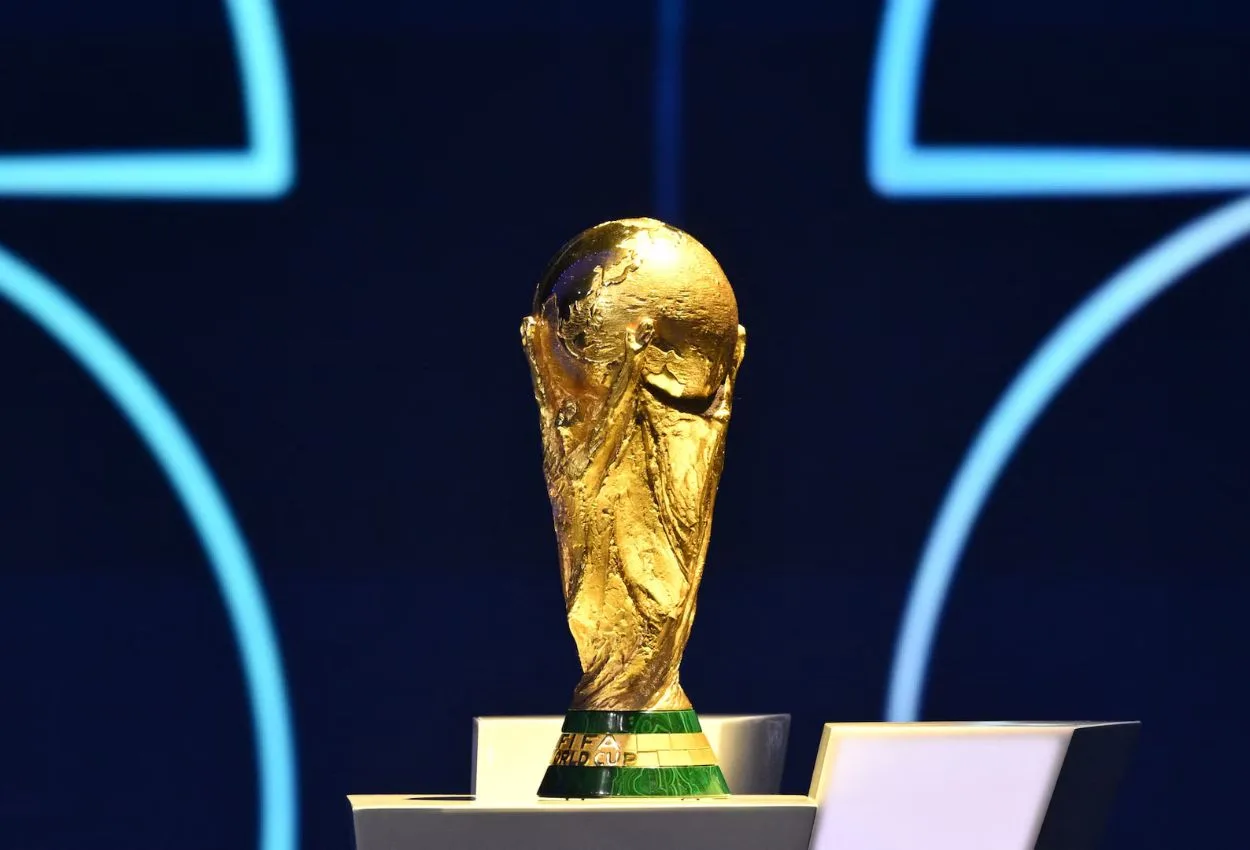
The 2026 FIFA World Cup will be hosted across sixteen cities in the United States, Mexico and Canada – making it the first edition of the tournament to be staged across three countries and the first to feature 48 national teams.
A total of 104 matches will be played across the three nations, with the competition running from June 11 to July 19, 2026.
The United States will shoulder the bulk of the tournament, hosting 60 of the 80 matches – a figure that includes every fixture from the quarter-finals onwards. Mexico and Canada will each host ten matches during the group stage.
The host cities
Mexico
Mexico returns to the World Cup stage having previously co-hosted the tournament in 1970 and 1986, with two of its three selected cities – Mexico City and Guadalajara – taking part in the competition for a third time. Monterrey participates for the second time.
- Mexico City will host matches at the Mexico City Stadium, known worldwide as Estadio Azteca, which holds 83,000 spectators. The venue will become the first in history to host three FIFA World Cup opening matches, with Mexico facing South Africa in the 2026 tournament’s curtain-raiser. Additional group-stage fixtures and a round of 16 match are also scheduled there.
- Guadalajara will stage four group-stage matches at the Guadalajara Stadium (Estadio Akron), which has a capacity of 48,000. Fixtures include Korea versus Czechia Mexico versus Korea Republic, Uruguay versus Spain, and Colombia versus DR Congo.
- Monterrey will host matches at the Monterrey Stadium (Estadio BBVA), with a capacity of 53,500. The venue is scheduled to hold group-stage games as well as a knockout-round match.
Canada
Canada will host a FIFA Men’s World Cup for the first time, with two cities selected to stage matches.
- Toronto will host group-stage matches at BMO Field, while Vancouver will welcome the world game at BC Place. Both cities sit in the Western zone of the tournament’s geographic structure alongside Seattle, San Francisco, Los Angeles and Guadalajara.
USA
Eleven American cities have been selected, spread across the Eastern, Central and Western zones of the country. The US will host all matches from the quarter-finals through to the final.
- New York / New Jersey will host the World Cup Final on July 19, 2026 at MetLife Stadium in East Rutherford, New Jersey. The venue is one of the largest in the tournament and will stage eight matches in total.
- Dallas will use AT&T Stadium in Arlington, Texas – home of the Dallas Cowboys – which will host nine matches alongside Mercedes-Benz Stadium in Atlanta, making them the two venues with the highest number of fixtures in the tournament.
- Atlanta will host at Mercedes-Benz Stadium, also scheduled to stage nine matches, including group-stage and knockout-round games.
- Los Angeles will stage matches at SoFi Stadium in Inglewood, which will host eight fixtures including the United States’ first match of the tournament and several knockout-round games. SoFi Stadium is also scheduled to host one of the semi-finals.
- Houston will use NRG Stadium, where seven matches are planned, including Portugal versus DR Congo and knockout-round fixtures.
- Miami will host at Hard Rock Stadium in Miami Gardens, which is set to stage the third-place match as well as group-stage clashes.
- Kansas City will use Arrowhead Stadium in Kansas City, Missouri – home of the Kansas City Chiefs – for group-stage and knockout-round matches.
- Philadelphia will stage fixtures at Lincoln Financial Field, including a knockout-round match on Independence Day in the United States, the 4th of July.
- Boston will host at Gillette Stadium in Foxborough, Massachusetts.
- San Francisco will use Levi’s Stadium in Santa Clara, California.
- Seattle will host at Lumen Field, with US national team matches among those scheduled.
The 2026 edition represents a series of milestones for international football. It is the first World Cup to be co-hosted by three nations, the first to feature 48 competing teams – expanded from the previous limit of 32 – and the first in which FIFA has introduced a revised tournament format to accommodate the enlarged field.