Mars has released a global retail study that predicts AI assistants will take on more routine grocery purchases over the next decade, while physical stores compete for visits through entertainment and product discovery. The UAE was among the top contributing markets to the analysis, the company said.
Conducted with Kantar and Synthesis for Mars’s snacking business, the study examined more than 180,000 global data signals across four continents. Its material included stakeholder and expert interviews, shopper publications, podcasts and global news.
The challenge for impulse purchases
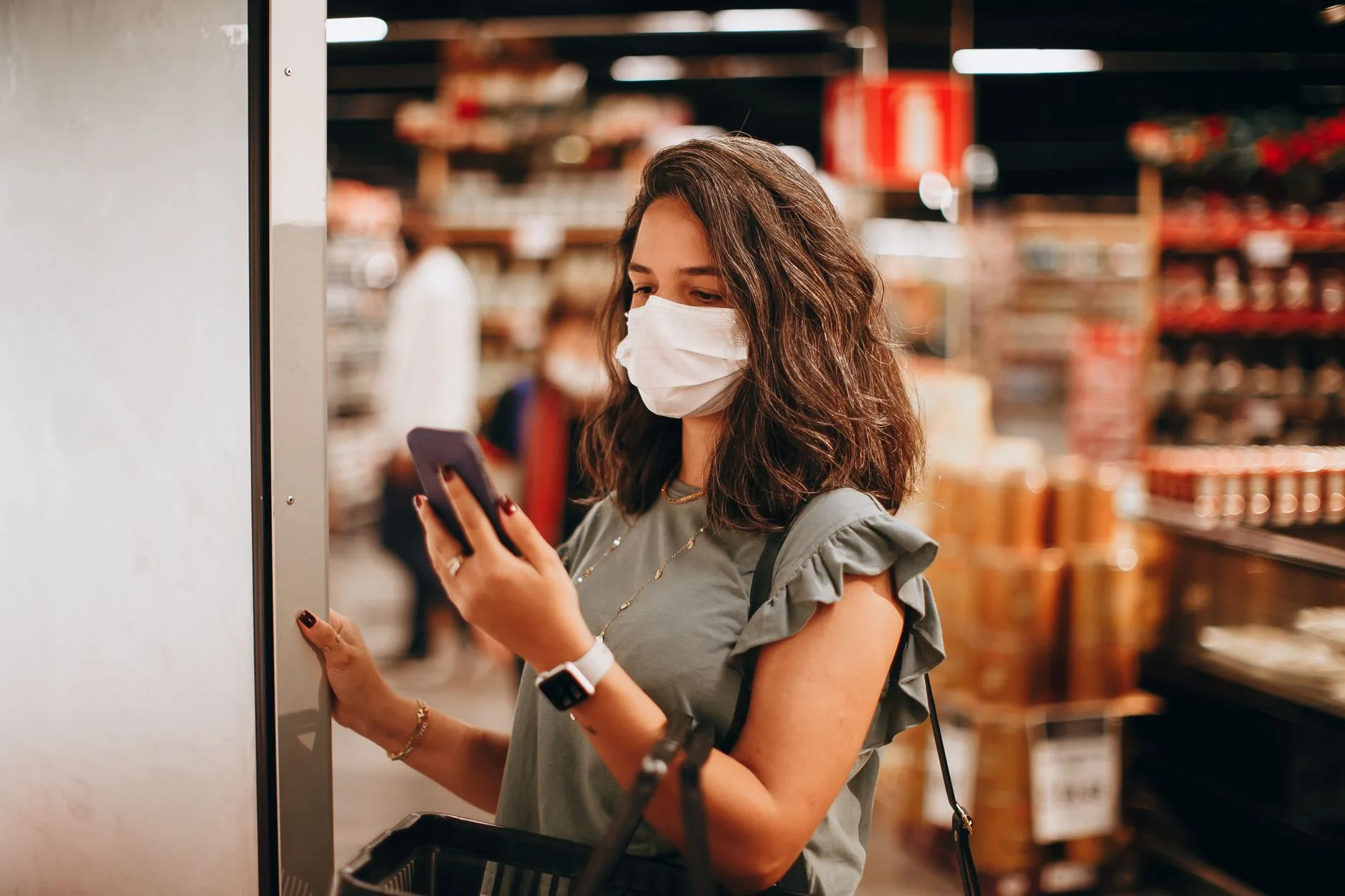
Mars expects AI systems to recommend purchases based on preferences and inventory, leaving shoppers only to confirm orders. It also forecasts more personalised product shortlists, increasingly shaped by health and wellness goals.
For snack brands, that raises a question: how do new products reach a basket when software handles the shopping?
“What makes these findings particularly interesting for the Gulf is what they could mean for the future of product discovery. For a category like snacking, where impulse and spontaneous choices play such an important role, the shift toward automated purchasing presents both an opportunity and a strategic challenge. As AI increasingly influences what goes into consumers’ baskets, brands and retailers will need to find new ways to inspire discovery and encourage people to explore new products,” Ahmed Abdel-Wahab, General Manager, Mars Gulf said in a statement.
The commercial stakes are substantial. Dubai Chambers projects the UAE retail market will reach US$75 billion in 2026, including US$10.8 billion in retail e-commerce.
A role for physical stores
Mars’s forecast gives shops a different task as routine purchases become more automated: offering experiences that people choose to spend time on. The company expects discovery and entertainment to become more prominent both in stores and on digital platforms.
In Dubai, Mars Gulf is exploring that approach through Snackat at Union Coop’s Mirdif store. Developed with Mars as a trade partner, the concept groups products into five Snacking Worlds, with sampling, interactive games and product pairings.
“The research reinforces why collaboration with our retail partners is so important. The future isn’t simply about making shopping more convenient. It’s also about creating experiences that give consumers new reasons to engage with our brands. Our work with Union Coop is one example of how we’re bringing more discovery and interaction into the shopping experience. As the retail landscape evolves, we’ll continue working with our partners to explore new ways to connect with shoppers and grow the snacking category,” Abdel-Wahab added.
Arabic-first signage and locally inspired design form part of the format, Mars said. Abdel-Wahab described the Union Coop work as “one example of how we’re bringing more discovery and interaction into the shopping experience”.