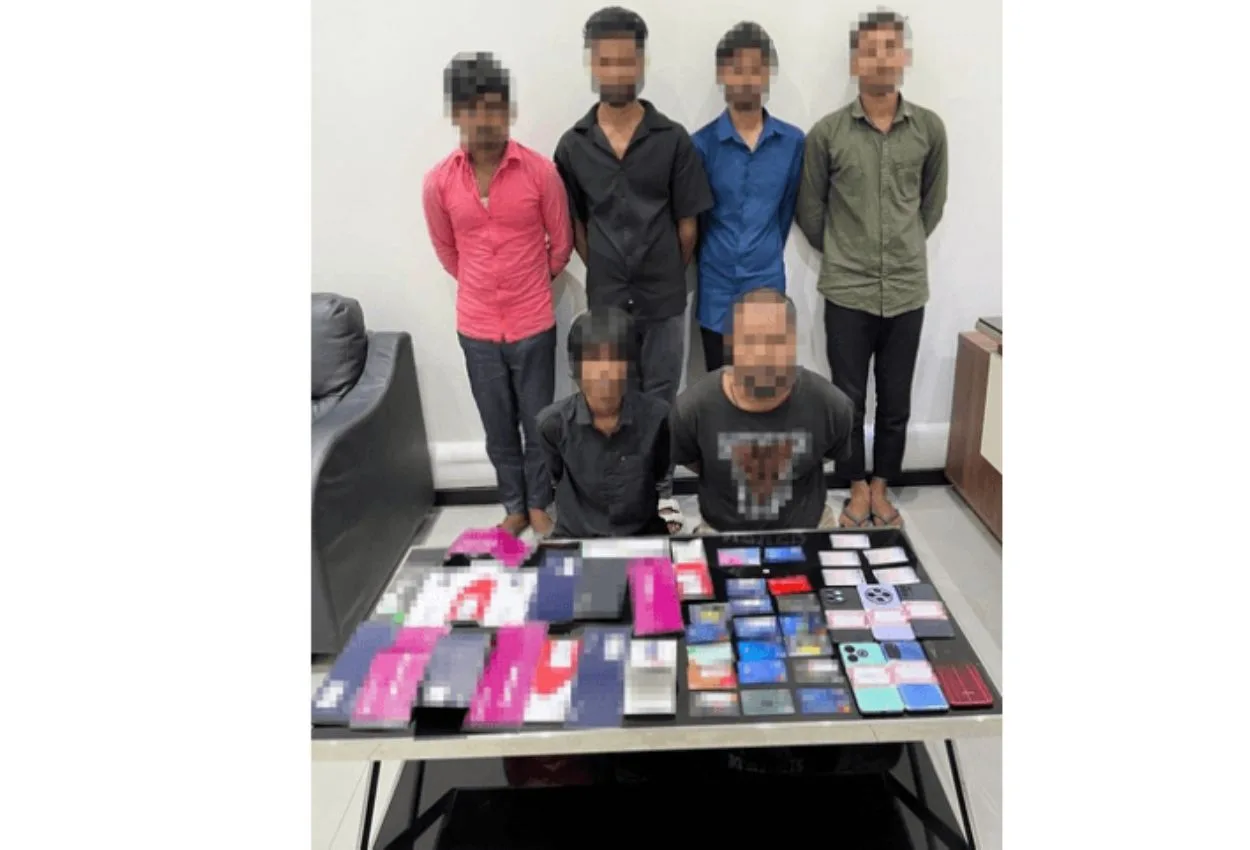
Dubai Customs has provided the intelligence that enabled foreign authorities to seize approximately 1.332 tonnes of Tapentadol tablets bound for an African country, in one of the more substantial cross-border narcotics interdictions to involve the emirate’s customs service.
The consignment originated in Asia and was moving via air cargo. Dubai Customs identified the shipment, shared intelligence with the relevant authorities in the destination country, and those authorities carried out the physical seizure. Legal proceedings have since been initiated against individuals connected to the smuggling attempt.
Abdulla Busenad, Director General of Dubai Customs, described the case as a demonstration of Dubai’s role in international security. “This achievement reflects the position Dubai has reached as a trusted partner in the global security architecture, and confirms that investment in advanced technology, human capabilities, and international partnerships has become a decisive factor in anticipating risks and confronting cross-border criminal networks,” he said.
“At Dubai Customs, we believe that protecting communities is a shared responsibility that transcends geographic borders, and we continue to develop our intelligence and technological capabilities to support international efforts to combat drugs and safeguard the future of generations. At Dubai Customs, we firmly believe that security is a shared global responsibility. We continue to develop our human and technological capabilities to protect young people and families from the risks of addiction and to curb the activity of criminal networks that threaten the stability of communities and the economies of nations. Continuous investment in national talent and modern technology is a fundamental pillar of our strategy – innovation and digital transformation have become among the most powerful tools for confronting contemporary security threats,” he added.
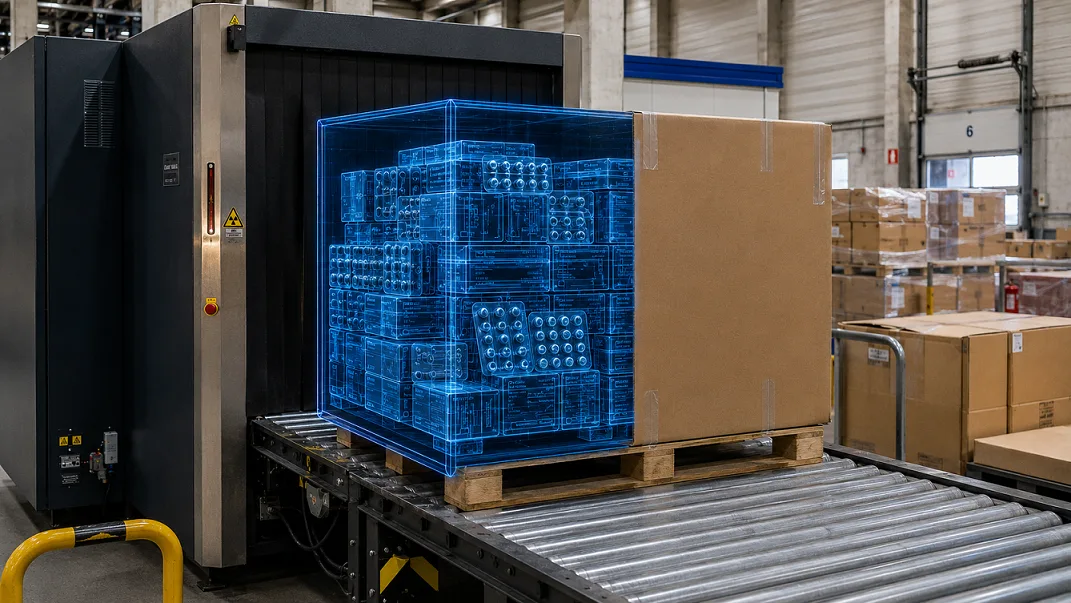
Mohammed Al Ghaffari, Executive Director of the Customs Inspection Division, said the division operates through a combination of trained personnel, advanced scanning equipment, and AI-powered image analysis.
“We operate through an integrated system that brings together qualified human expertise, advanced technologies, and intelligent systems, enabling us to detect and handle suspicious shipments with a high degree of efficiency. Recent years have seen significant investment in developing the capabilities of customs inspectors and equipping them with the latest global technologies and equipment. Inspection teams undergo specialized training programs and advanced workshops on a continuous basis to stay current with the latest smuggling methods and newly emerging narcotics and psychotropic substances, ensuring permanent readiness to address all manner of security challenge,” he said.
Yasser Al Musallami, Principal Advisor for Customs Affairs, pointed to the department’s risk profiling infrastructure as central to the operation. “The smart risk engine that Dubai Customs deploys is one of the most important modern tools supporting targeting operations. It enables real-time data analysis and cross- referencing with multiple information sources to extract indicators of suspicion with high precision and efficiency – enhancing Dubai Customs’ ability to anticipate risks and address them before they evolve into actual threats to the safety of communities,” he said.
Dubai Customs maintains intelligence-sharing partnerships with Interpol, the World Customs Organization, and Regional Intelligence Liaison Offices, alongside bilateral arrangements with customs administrations in countries across the world. Officials from the unnamed African country said Dubai Customs’ intelligence formed a critical foundation for their monitoring and interdiction operation.