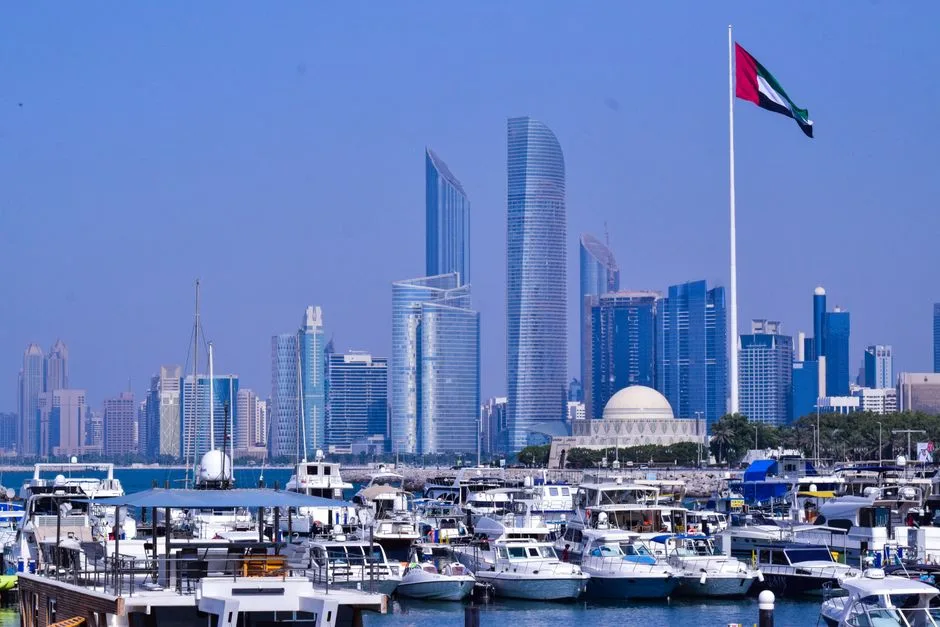
Abu Dhabi’s residential property market gained momentum in the third quarter of 2026, with capital value growth accelerating beyond the pace set in the previous quarter, according to research from ValuStrat.
The ValuStrat Price Index for the emirate’s freehold residential market rose to 155.8 points, up 3.1 per cent quarter-on-quarter, compared with 2.1 per cent growth in Q2. Annual capital gains across the secondary market averaged 16.8 per cent.
Apartments drove the headline figure, with the apartment VPI rising 4.3 per cent quarterly and 24 per cent year-on-year to 153.9 points. Villa values recorded more moderate growth of 2 per cent quarterly and 10.2 per cent annually, reaching 157.9 points.
Among apartment communities, Al Reef posted the strongest annual capital growth at 36.6 per cent, followed by Al Bandar at 24.7 per cent, Al Muneera Island at 24.4 per cent, and Al Reem Island at 22.1 per cent. Saadiyat Island recorded 17.3 per cent annual appreciation. In the villa segment, Al Reef again led at 26.8 per cent annual growth, ahead of Saadiyat Island at 9.9 per cent and Hydra Village at 2.9 per cent.
Haider Tuaima, Managing Director and Head of Real Estate Research at ValuStrat, said: “Compared with Dubai, the capital remains at an earlier stage in its property cycle, with relatively lower prices continuing to support end-user demand.” He added that despite ongoing regional geopolitical uncertainty, the residential market had shown resilience “with no material evidence of weakening demand.”
Off-plan activity was the dominant force in transactions. Abu Dhabi recorded 4,828 off-plan residential sales, accounting for 81 per cent of all residential transactions in the quarter, up 5.3 per cent year-on-year. The average off-plan ticket size rose 42.4 per cent annually to AED 5 million, reflecting a continued developer focus on higher-end product. Off-plan prices averaged AED 22,184 per sq m, down 2.1 per cent on the quarter but up 3.9 per cent on the year.
Ready property transactions fell sharply, declining 37.4 per cent annually to 1,134 deals. Ready home prices averaged AED 15,080 per sq m, up 2.9 per cent year-on-year but down 2.8 per cent quarter-on-quarter.
Rental values remained broadly stable. The rental VPI grew 1.6 per cent annually but was unchanged quarter-on-quarter, reaching 127.7 points.
Average annual apartment asking rents in Abu Dhabi City stood at AED 121,500, while citywide villa rents averaged AED 258,000. Studio asking rents rose 9 per cent annually to AED 73,000. Abu Dhabi introduced a temporary 0 per cent cap on rent increases across residential, commercial and industrial properties from June 2, 2026, replacing a previous 5 per cent annual ceiling.
“From a valuation practice perspective, we are seeing end-user demand for ready residential inventory hold remarkably firm, particularly in strategically located apartment masterplans where supply remains controlled, while the newly introduced 0% rent cap adds an important layer of market stability,” Sean Swinburne, MRICS, Director of Valuation and lead for property valuations in Abu Dhabi at ValuStrat said in a statement.
Supply additions remained measured. Abu Dhabi completed 1,888 apartments and 1,620 villas in the first nine months of 2026, representing 25.9 per cent of the full-year pipeline.
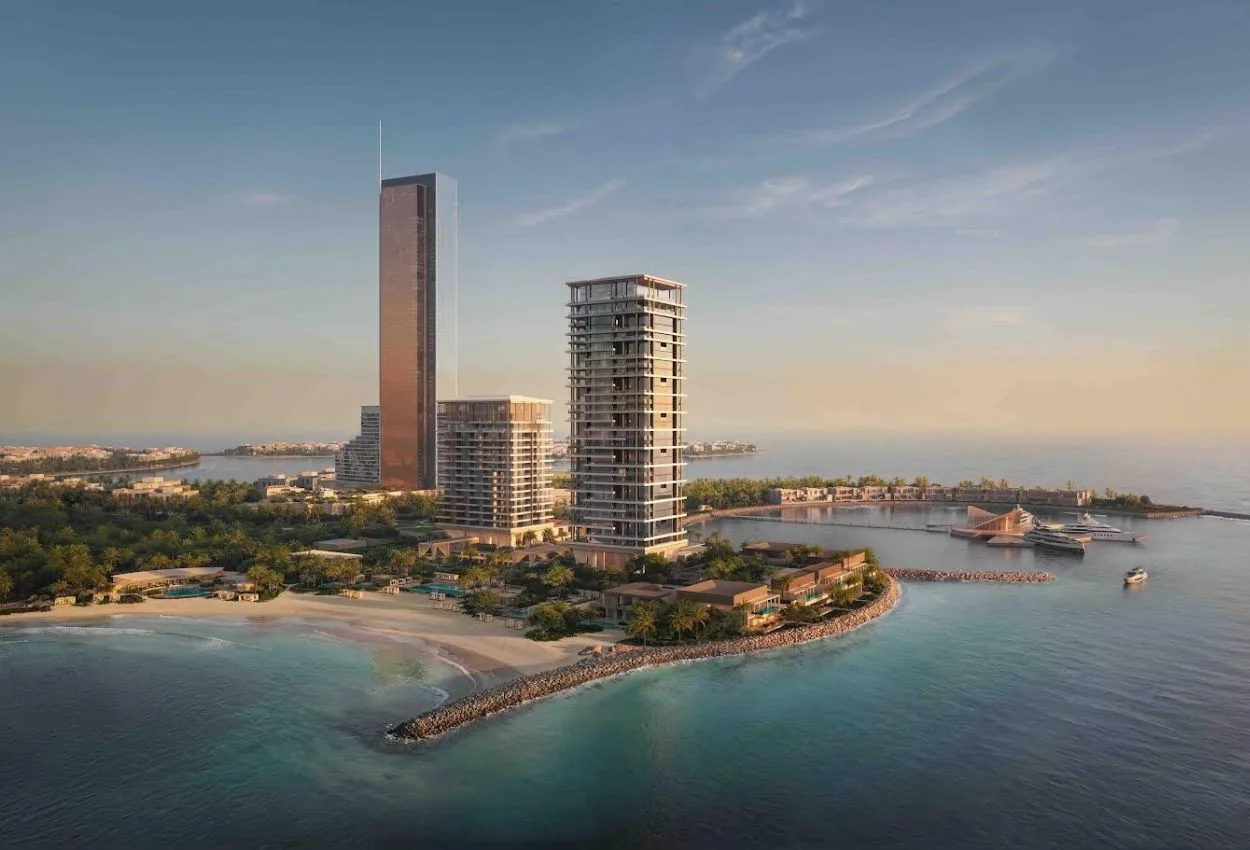
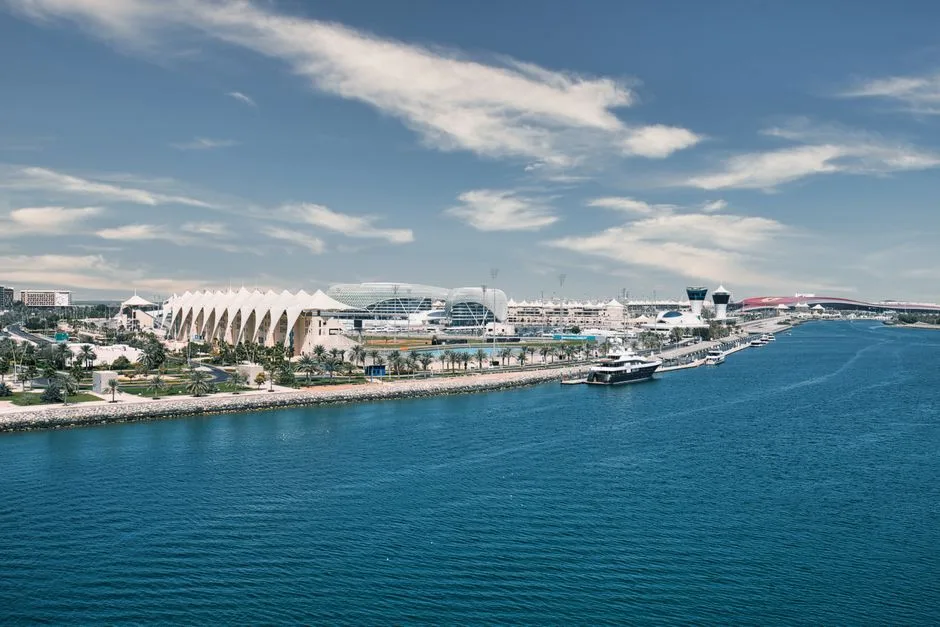
A total of 13,534 new homes are projected to complete in 2026, with around 40,510 units scheduled for delivery by 2030. New launches in the quarter included Aldar’s first phase of Sei Saadiyat on Saadiyat Island, The Canopies at Yas Point, and Cosmo Developments’ AED 6 billion mixed-use Wadi project on Yas Island.
The office market also held up well. Office asking rents in primary commercial districts rose 6.1 per cent quarterly and 30.4 per cent annually, with average occupancy across central business district buildings at 90.8 per cent. Aldar and Mubadala acquired Masdar City Square for AED 918 million, adding more than 47,000 sq m of Grade A space to their joint venture, which now values its total Masdar City portfolio at AED 4.7 billion.
Hospitality was the one segment showing strain. Hotel guest numbers fell 14.2 per cent year-to-date to 3.2 million, weighed by regional conflict disrupting travel.
Hotel occupancy in H1 2026 stood at 66.8 per cent, down 13.5 per cent year-on-year, while revenue per available room declined 20.3 per cent annually to AED 447. Authorities are anticipating a Q4 recovery driven by the Formula 1 weekend and the opening of Guggenheim Abu Dhabi.