Abu Dhabi’s residential property sales values rose nearly 40 per cent year-on-year to AED26.4 billion in Q3 2026, even as the number of transactions fell 7.5 per cent, according to property consultancy Cavendish Maxwell.
The gap reflects a shift towards higher-value purchases, especially off-plan villas and townhouses, rather than a broad increase in buying activity. Off-plan homes accounted for AED23.3 billion in sales during the quarter.
Overall transaction volumes fell for the third consecutive quarter. Cavendish Maxwell linked the changing sales mix partly to the number and type of new projects coming to market: fewer apartment launches weighed on purchases, while more villa and townhouse launches supported that segment.
“Abu Dhabi’s residential market delivered a mix of ups and downs in Q3 2026 and the market looks to be entering a more cautious phase. Transaction values and prices rose while the number of sales fell as the market began to adjust to a more complex environment, shaped by regional disruptions, changes in the sales mix and variations in new project launches. While purchasing activity remained relatively high, the pace of sales seen over the last year is unlikely to be sustained in the near term. Although prices for both apartments and villas have risen, price growth has moderated – a trend we expect to continue as buyers become more cautious and the market adjusts to the balance between supply and demand. The rental market is also moderating and, with Abu Dhabi’s rental freeze policy preventing landlords from raising rents, there is likely to be further moderation in rental rates as new supply enters the market,” Andrew Laver MRICS, Director, Cavendish Maxwell Abu Dhabi said in a statement.
Prices rise, but growth slows
Apartment prices increased 11 per cent year-on-year, while villa prices rose 8.9 per cent. Both continued to gain, but the consultancy said growth had slowed compared with 2025.
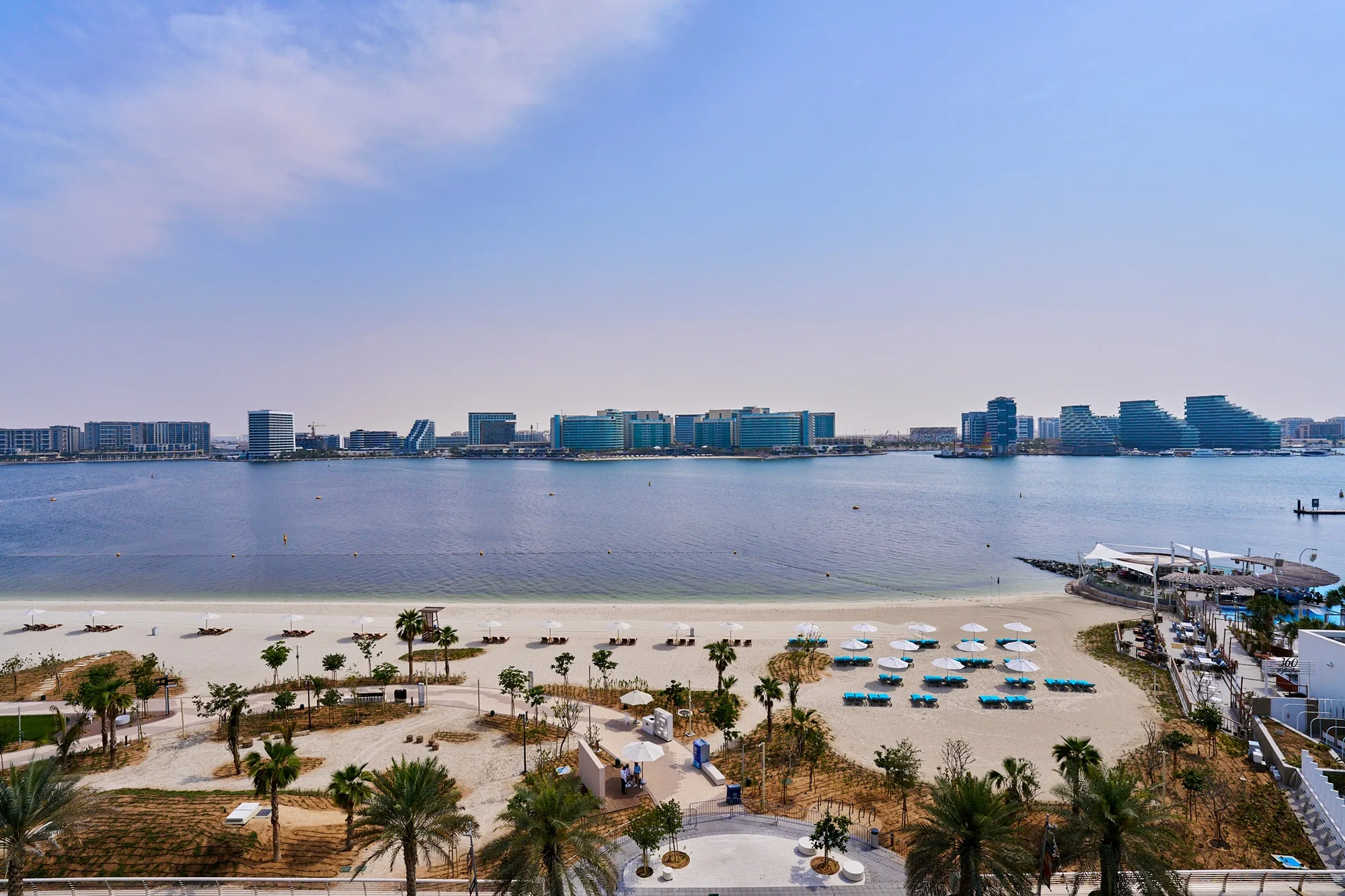
Al Raha Beach recorded the strongest apartment price growth among the districts listed in the report. Yas Island led gains for villas.
Rental growth also eased, reaching 3.5 per cent for apartments and 1.8 per cent for villas. Cavendish Maxwell said Abu Dhabi’s rent freeze policy was limiting increases and expected more housing supply to put further pressure on rental growth.
Delivery schedules face uncertainty
The consultancy puts the pipeline for the next two years at 38,800 homes, but cautioned that scheduled handovers may not translate into completed properties on time. It said past delivery patterns suggest actual completions could fall short of developers’ schedules.
Laver also warned that regional disruptions could affect construction costs, access to materials and project timelines. If more homes reach the market, the report expects greater competition between properties, giving quality and amenities more weight in tenants’ choices.
“Looking ahead, around 14,600 new homes are set to be delivered in the capital next year, followed by another 24,200 in 2028, although, if history repeats itself, actual completions are likely to fall short of current schedules. Regional disruptions could also affect construction costs, material sourcing and project times, which in turn may delay some developments and affect how quickly new supply is delivered. Abu Dhabi’s property market is largely driven by new launches, which have a significant impact on overall market activity. Future sales volumes are likely to depend partly on the number and type of developments entering the market,” he added.