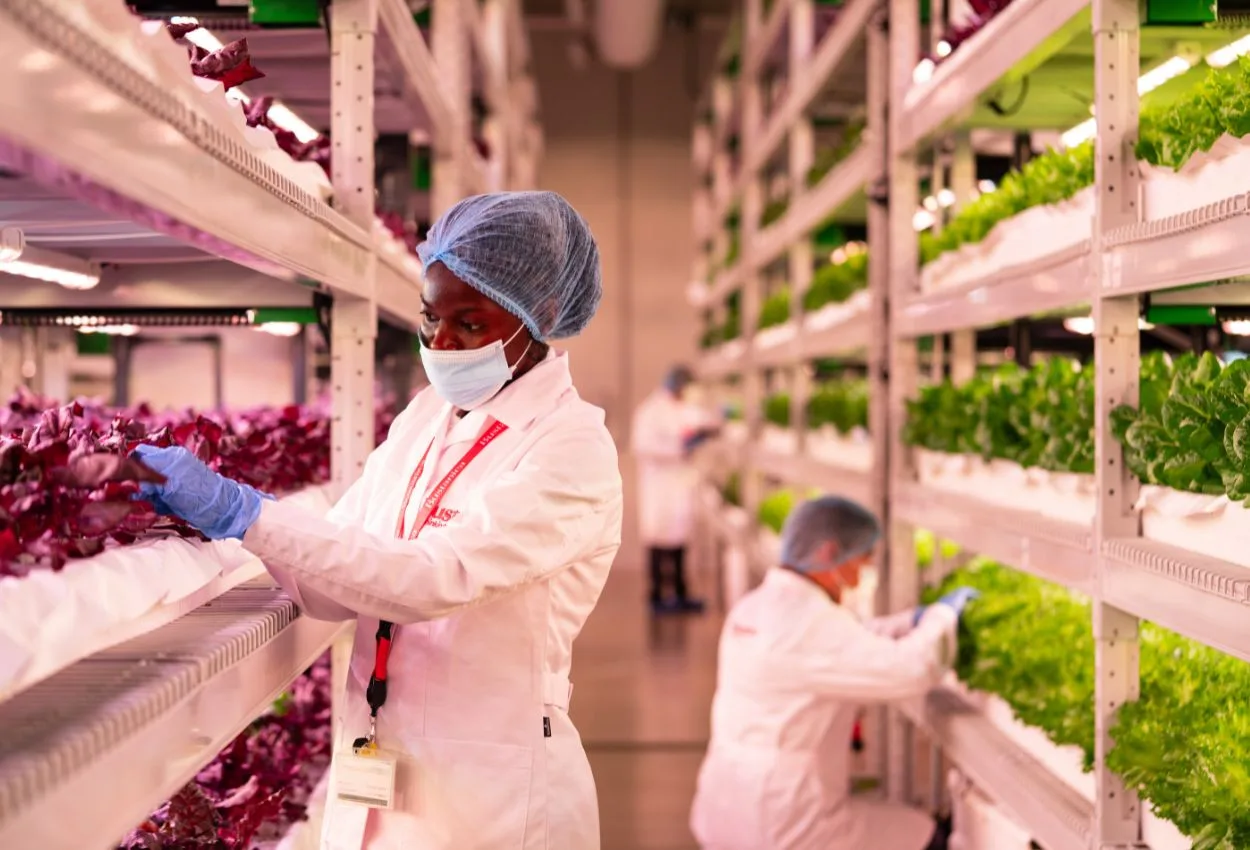
A tomato picked that morning at Bustanica, on the outskirts of Dubai, can be on a customer’s doorstep within 15 minutes of being ordered.
That timeline, according to Careem, is the point.
“We partner directly with leading local farms such as Bustanica, Pure Harvest and Elite Agro, where produce is harvested at peak ripeness,” Hanaa Mallak, GM of Groceries UAE at Careem told Lana in an exclusive interview.
“These partnerships matter because they allow us to move produce from field to customer within hours, not days. Every batch undergoes rigorous quality checks before entering our distribution network.”
Mallak said Careem Quik was “one of the first quick-commerce platforms in the region to prioritise local farm sourcing,” and that the system was built to recover what she says traditional retail loses along the way.
“It’s a streamlined journey designed to preserve what’s lost in traditional retail: time, freshness and shelf life,” she said.
How the 15-minute delivery works
The mechanics behind that promise rest on two pieces of infrastructure. “Our operational model is built around speed,” Mallak said. “We combine a Central Warehouse, which sources and consolidates fresh produce, with a hyperlocal network of dark stores positioned close to high-density residential areas.”
Stock moves from the warehouse to the dark stores the same day it arrives. “Stock is transferred from the Central Warehouse to our dark stores on the same day, so inventory stays fresh while still allowing us to keep delivery radii small and final-mile times to within 15 minutes,” she said.
Asked how that plays out across a city, Mallak said “speed requires choreography.”
“Moving fresh produce rapidly across cities like Dubai and Abu Dhabi relies on a tightly synchronised logistics chain. Fresh harvests arrive at our Central Warehouse, where they’re sorted and packed into protective eco-packaging. Temperature-controlled vehicles then distribute pre-packed inventory to dark stores across the city, with digital inventory syncing instantly on the Careem app.”
From there, the process compresses further. “The moment a customer orders, automated picking routes guide our team to select items in seconds,” Mallak said.
“After final quality verification, the order moves directly to a waiting Captain for delivery. Every handoff is timed to minimise idle time, ensuring produce arrives at customers’ homes at peak ripeness.”
Inside the dark store
The dark stores themselves are built around the same logic.
“Freshness is engineered into our dark store design,” Mallak said. “Each location features dedicated temperature zones tailored for specific produce: chilled environments for greens and berries, ambient zones for root vegetables. Layouts are optimised so high-velocity fresh items are positioned for fast picking, allowing our team to select pre-packed produce in seconds and hand it directly to a Captain.”
She added that the cold chain is treated as non-negotiable from the point produce leaves the warehouse. “From the moment produce arrives pre-packed from our Central Warehouse, cold-chain integrity is strictly enforced, ensuring items reach customers at peak ripeness.”
Alongside that, Mallak said freshness is preserved through “rigorous temperature control and daily audits at both the Central Warehouse and our dark stores. This ensures only the crispest, farm-fresh items reach customers.”
Behind the picking and packing sits a forecasting system that reaches back to the farms themselves. “Predictive AI is central to minimising waste while maintaining availability,” Mallak said.
“Our algorithms analyse historical purchasing trends, day-of-week demand spikes, weather forecasts and local events to project daily stock needs with precision.”
“This data flows directly to our farm partners, allowing growers to harvest based on actual consumer demand rather than estimates,” she said. “The result is optimal stock levels without over-ordering, fresher inventory and less waste across the entire supply chain.”
Why shoppers are switching
Mallak said the shift toward local produce is not confined to Careem’s own customer base. “We are seeing a significant shift among UAE consumers towards freshness and sustainability,” she said.
“Customers increasingly prefer locally grown produce because it hasn’t spent days in international transit, giving it a noticeably longer shelf life in their refrigerators at home.”
She linked that consumer behaviour to a national policy target: the UAE’s National Food Security Strategy 2051.
“This consumer demand is happening alongside a major national macro trend driven by the UAE government’s strategic focus on food security and self-reliance targets,” Mallak said.
“There is rising public awareness around supporting local agriculture, coupled with an expectation of year-round access to fresh staples, like local berries, leafy greens and vine tomatoes, grown in climate-controlled indoor and hydroponic farms. In direct alignment with the government’s push for agricultural self-reliance, Careem Quik is actively expanding its direct farm-sourcing partnerships to make locally grown produce the default choice for everyday grocery needs.”
On whether shoppers seek out local produce deliberately or find it by accident, Mallak said the answer is both. “Health-conscious and eco-minded shoppers actively hunt for ‘UAE Grown’ labels,” she said.
“But we’re also driving discovery, through ‘Locally Sourced’ badges, homepage carousels and targeted in-app banners. The magic happens when first-time buyers, drawn in by competitive pricing or quick delivery, experience the difference. Superior freshness and extended shelf life convert them into repeat customers. Once they taste the advantage, they rarely go back.”
Pressed on what that advantage actually tastes like, Mallak said: “A locally grown tomato tastes like a tomato. Berries arrive firm and bursting. Greens maintain their vibrance and nutritional value because they haven’t spent days in transit losing both. Customers notice immediately. The flavour is richer. The texture is better.”
She added that difference is what keeps people ordering again rather than any single promotion. “This consistency builds loyalty that transcends price. Once customers taste the difference, they return not because they have to, but because they want to. They’ve experienced what food should actually be. We’re delivering that standard every single day.”
What’s in it for farmers
For farmers, Mallak said, the arrangement removes a layer of the traditional retail chain. “Our direct farm partnerships create value at every level,” she said. “Consumers receive fresher, longer-lasting produce at competitive prices without import tariffs, air freight costs or transit fees. Farmers gain consistent, predictable demand and direct access to consumers without surrendering margins to traditional retailers.”
She tied that arrangement back to the same national strategy, adding that “by building supply chain resilience and reducing dependence on imported goods, we’re helping the country achieve greater agricultural independence while significantly lowering the ecosystem’s carbon footprint.”
She explained that the initiative also feeds Careem’s own environmental targets: “Beyond our operational ESG commitments, we’re slashing food miles, lowering carbon emissions and minimising packaging waste.”
Harvest to shelf in as little as a few hours
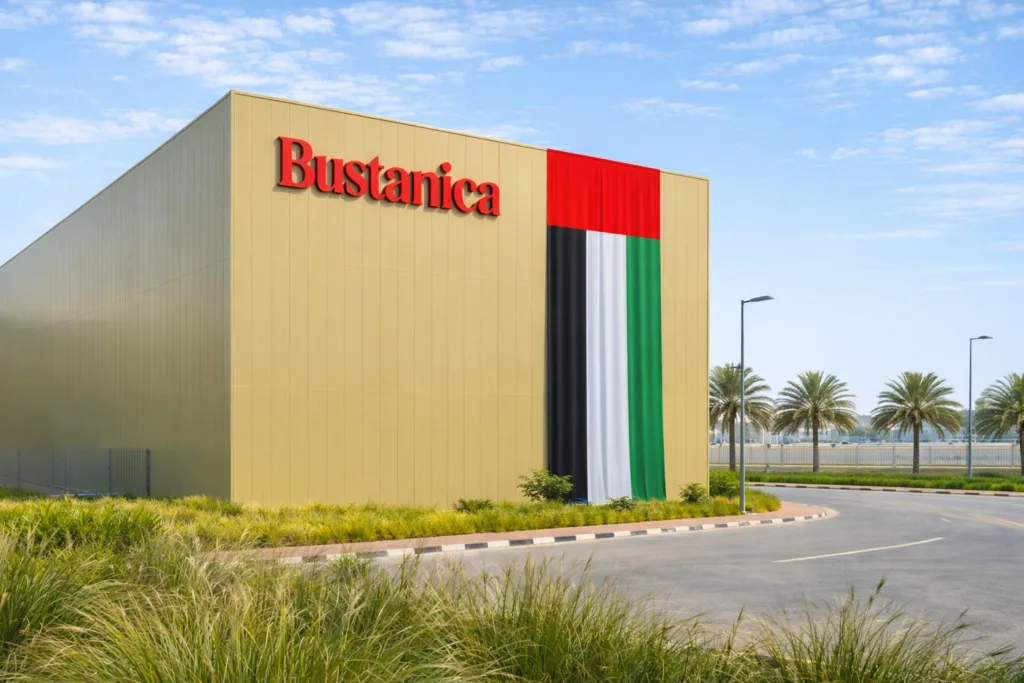
Emirates Bustanica, one of Careem Quik’s farm partners, describes a similar shift from its side of the supply chain. “Demand for UAE-grown produce has increased significantly over the past few years,” Danish Aziz Hurzuk, the farm’s Business Development and Customer Connections Manager told Lana.
“Consumers are becoming more conscious of food quality, freshness and sustainability, while businesses are increasingly prioritising reliable local supply chains. Government initiatives supporting food security and local agriculture have also strengthened consumer confidence in homegrown produce.”
When asked what specifically draws shoppers to local produce over imports, Hurzuk pointed to more than taste. “Consumers are increasingly choosing locally grown produce because it offers superior freshness, shorter transportation times and consistent quality,” he said.
“Many customers also value supporting local businesses, reducing environmental impact through lower food miles, and contributing to the UAE’s food security goals. Transparency in production and year-round availability further enhance consumer trust.”
“Locally grown produce reaches retailers and consumers much faster than imported products, helping preserve freshness, taste, texture and nutritional value,” Hurzuk explained adding shorter supply chains reduce handling and transportation, resulting in higher quality and longer shelf life. “In addition, local production enables quicker replenishment of stock and more responsive inventory management,” he said.
On timelines, Hurzuk gave a figure that undercuts most conventional grocery supply chains. “With efficient harvesting processes and strong delivery partnerships, locally grown produce can often move from harvest to retail shelves or consumers within 24 hours, and in some cases within just a few hours,” he said. “This rapid turnaround ensures maximum freshness while minimising food waste throughout the supply chain.”
“Advanced farming systems, automation, data analytics, climate control and real-time monitoring help optimise growing conditions, improve crop yields and maintain consistent quality,” he said, crediting technology with much of that speed. “Digital supply chain management and logistics technologies also enhance inventory planning, forecasting and efficient distribution to customers.”
However, the benefit runs in both directions when working with a delivery platform rather than selling through conventional retail, Hurzuk said.
“Partnerships with quick-commerce platforms expand market access by making fresh local produce more convenient for consumers,” he said. “Customers can order products online and receive fast delivery, increasing product visibility and encouraging repeat purchases. These collaborations also help farms respond quickly to changing consumer demand while strengthening brand recognition.”
The challenge of scaling a farm fast enough to keep up
Growth on this scale is not without friction, and Hurzuk did not pretend otherwise explaining that scaling agricultural operations calls for “significant investment in technology, infrastructure, skilled labour and logistics,” he said.
“Farms must also manage production costs, maintain consistent product quality, forecast demand accurately and ensure efficient distribution. As consumer demand grows, balancing operational efficiency with sustainability remains an important priority.”
He also framed consumer education as a factor that determines how fast demand can grow in the first place, not just a marketing nicety. “Consumer awareness is essential for driving demand,” Hurzuk said.
“When people understand the benefits of locally grown produce, including freshness, quality, sustainability and support for the national economy, they are more likely to choose local products. Educational campaigns, product labelling and transparent communication all play an important role in building long-term consumer trust.”
What’s next?
Careem Quik’s current range centres on staples, but Mallak said that is changing. “We’re actively expanding beyond core staples like leafy greens and tomatoes to include locally farmed mushrooms, speciality berries, organic herbs, and regionally produced dairy and poultry items,” she said.
“As the UAE’s agri-tech landscape continues to innovate, Careem Quik aims to serve as the premier direct-to-consumer platform for new hydroponic, indoor farming and sustainable agricultural startups across the country.”
Hurzuk’s outlook for the sector runs along similar lines, framed around continued investment rather than a fixed endpoint. “The future of homegrown agriculture in the UAE is highly promising,” he said.
“Continued investment in agricultural technology, sustainable farming practices and government support will enable the sector to grow further. As consumer preference for fresh, locally produced food continues to increase, homegrown agriculture is expected to play an increasingly important role in ensuring food security, environmental sustainability and economic diversification.
“Supporting local agriculture strengthens the UAE’s food resilience by reducing dependence on imported produce and creating a more stable domestic food supply. Local farms improve supply chain reliability, enhance food availability during global disruptions, and contribute to the country’s long-term food security strategy while supporting economic growth and innovation,” he concluded.