
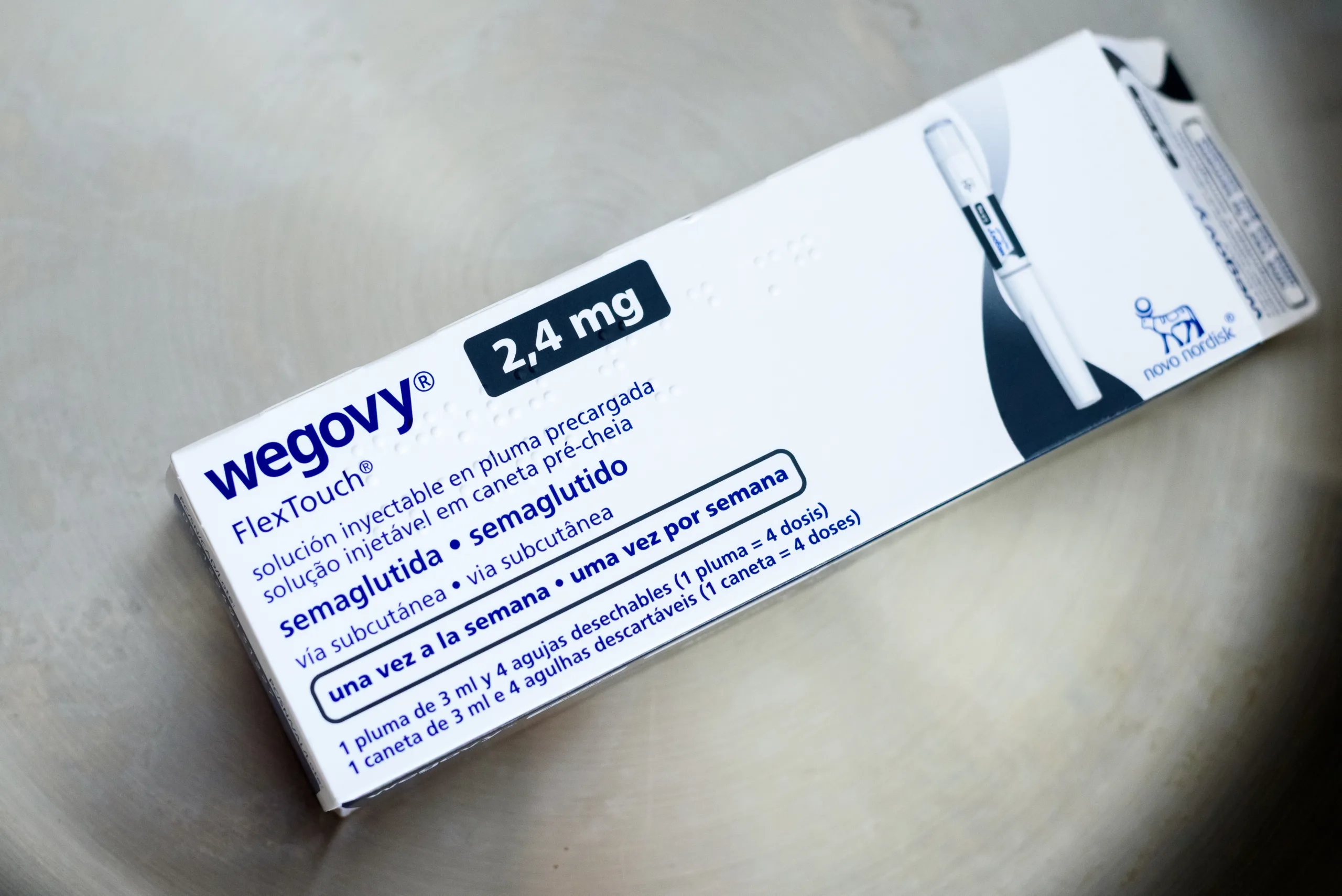
The US Food and Drug Administration (FDA) has approved a higher dose of Wegovy (semaglutide) injection, 7.2 mg, for weight reduction and long-term maintenance of weight loss in adults.
The product, designated Wegovy HD, is indicated for adults with obesity, or those who are overweight and have at least one weight-related condition. The approval was granted to Novo Nordisk.
“The new FDA is moving with unprecedented efficiency on products that advance national priorities. Today’s approval is another demonstration of what the FDA can accomplish when we try bold new things,” FDA Commissioner Martin Makary, M.D., M.P.H. said in a statement.
FDA approves higher-dose Wegovy HD 7.2mg for weight loss in adults with obesity
Wegovy is a glucagon-like peptide-1 (GLP-1) receptor agonist. The higher dose gives patients a further option for weight management and offers the potential for greater weight loss than doses that have previously been approved.
The FDA’s decision was supported by clinical data showing that the higher dose produced additional weight reduction on average compared to lower approved doses. The safety profile was consistent with the known side effects of semaglutide.
In patients with both obesity and type 2 diabetes, the higher dose produced reductions in blood sugar – measured as haemoglobin A1C – at a level comparable to that seen with lower doses.
The most common side effects were gastrointestinal in nature, including nausea, vomiting, diarrhoea, constipation, and abdominal pain.
Reports of altered skin sensation – described by patients as sensitivity, pain, or burning – were also recorded. These occurred more frequently at the higher dose than at lower doses, though they generally resolved without intervention or following a dose reduction. The FDA said it is conducting further investigation into this reaction.
Wegovy HD vs Wegovy: How the new 7.2mg dose differs and who it is for
Wegovy carries a boxed warning – the most prominent warning the FDA issues – regarding a potential risk of thyroid C-cell tumours, on the basis of findings in rodent studies. The drug must not be used in patients with a personal or family history of medullary thyroid carcinoma, or in patients with Multiple Endocrine Neoplasia syndrome type 2. The FDA has advised healthcare professionals to counsel patients on the use of the drug and to monitor for side effects.
The approval was the fourth to be granted under the Commissioner’s National Priority Voucher (CNPV) pilot programme and was completed just 54 days after the application was filed.
The CNPV programme is designed to speed up the approval of applications that address what the FDA describes as priorities of national importance. These include bringing new therapies to patients, addressing unmet medical needs, promoting manufacturing within the United States, and increasing affordability. Companies selected for the programme receive a voucher entitling them to benefits including communication with the FDA and rolling review, which together allow for a reduction in review time.
The FDA has said it will hold a public hearing in June to gather feedback on the CNPV programme. A notice providing further details is expected to be published in the Federal Register.