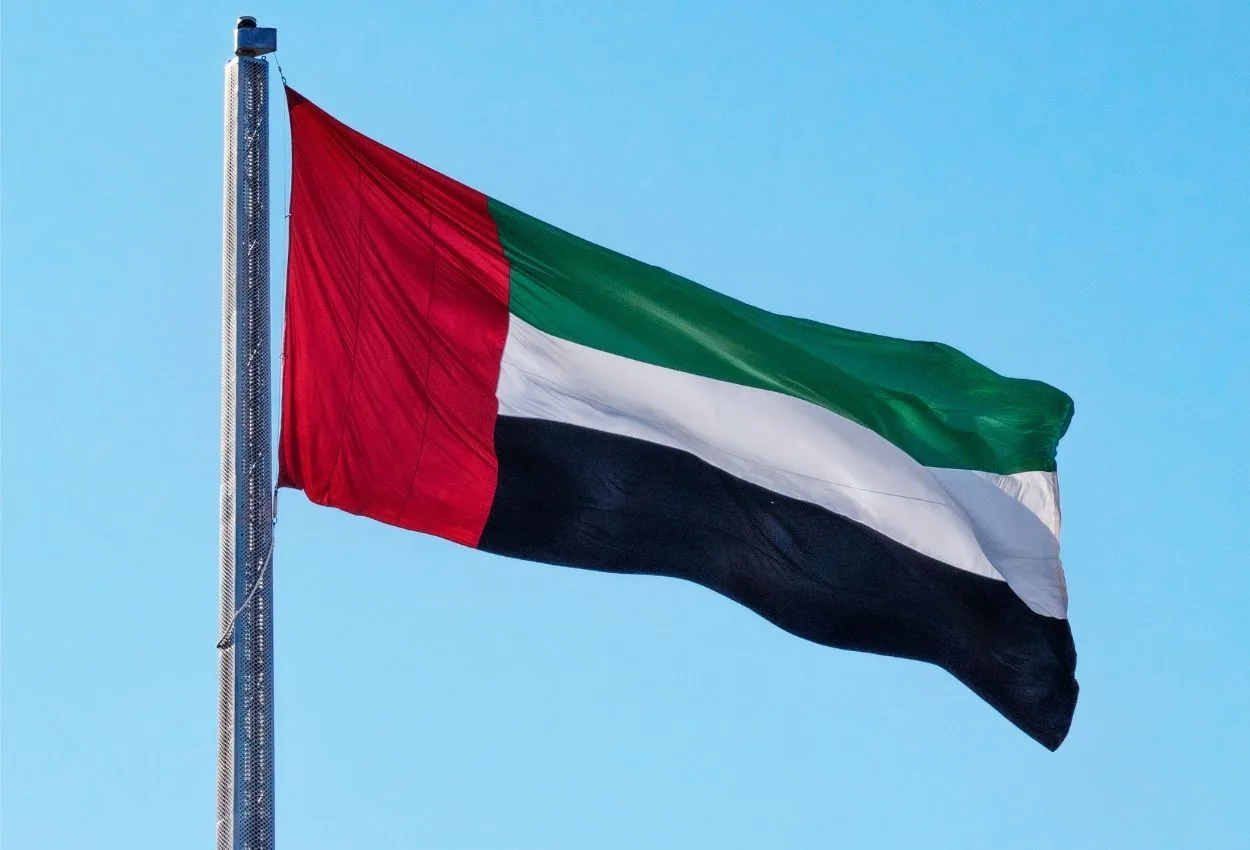
The United Arab Emirates has announced its withdrawal from the Organisation of the Petroleum Exporting Countries (OPEC) and the broader OPEC+ alliance, with the decision taking effect on May 1, 2026.
The decision, described by the government as a product of a “comprehensive review” of the country’s production policy, is driven by the UAE’s national interest and its “current and future capacity.”
The announcement marks one of the most consequential departures in the history of the organisation, which was founded in 1960. The UAE joined OPEC in 1967 through the Emirate of Abu Dhabi and retained its membership following the formation of the United Arab Emirates in 1971.
UAE exits OPEC after nearly six decades
The UAE has stated that the withdrawal is not a rupture but a policy-driven evolution. In its statement, the government said the decision “enhances the UAE’s ability to respond to evolving market needs” and reflects its “long-term strategic and economic vision and evolving energy profile.”
The country pointed to what it described as sustained growth in global energy demand over the medium to long term, even as near-term disruptions – including those in the Arabian Gulf and the Strait of Hormuz – continue to affect supply dynamics.
“The time has come to focus our efforts on what our national interest dictates and our commitment to our investors, customers, partners and global energy markets,” the government said in its official statement.
Following the exit, the UAE has said it will continue to bring production to market “in a gradual and measured manner, aligned with demand and market conditions.” The country described its resources as some of the world’s most cost-competitive and lower-carbon barrels.
The government was explicit that the departure would not alter its commitment to global market stability. “This decision does not alter the UAE’s commitment to global market stability or its approach based on cooperation with producers and consumers,” the statement read.
The UAE has signalled it will continue to invest across the full energy value chain – including oil, gas, renewables, and low-carbon solutions – in support of what it described as “long-term energy system transformation.”
The statement offered recognition of the UAE’s time within the organisation, while drawing a firm line. “We reaffirm our appreciation for the efforts of both OPEC and the OPEC+ alliance and wish them success. During our time in the organization, we made significant contributions and even greater sacrifices for the benefit of all.”
The UAE has said its production policies going forward will be “guided by responsibility and market stability, taking into account global supply and demand.” It intends to continue working with partners to develop its resource base in support of economic growth and diversification.
Despite the break, the country reaffirmed its intention to remain an active participant in global energy dialogue. It stated it “values more than five decades of cooperation with partners and will continue active engagement in support of stable global energy markets.”
The exit takes effect on May 1, 2026.