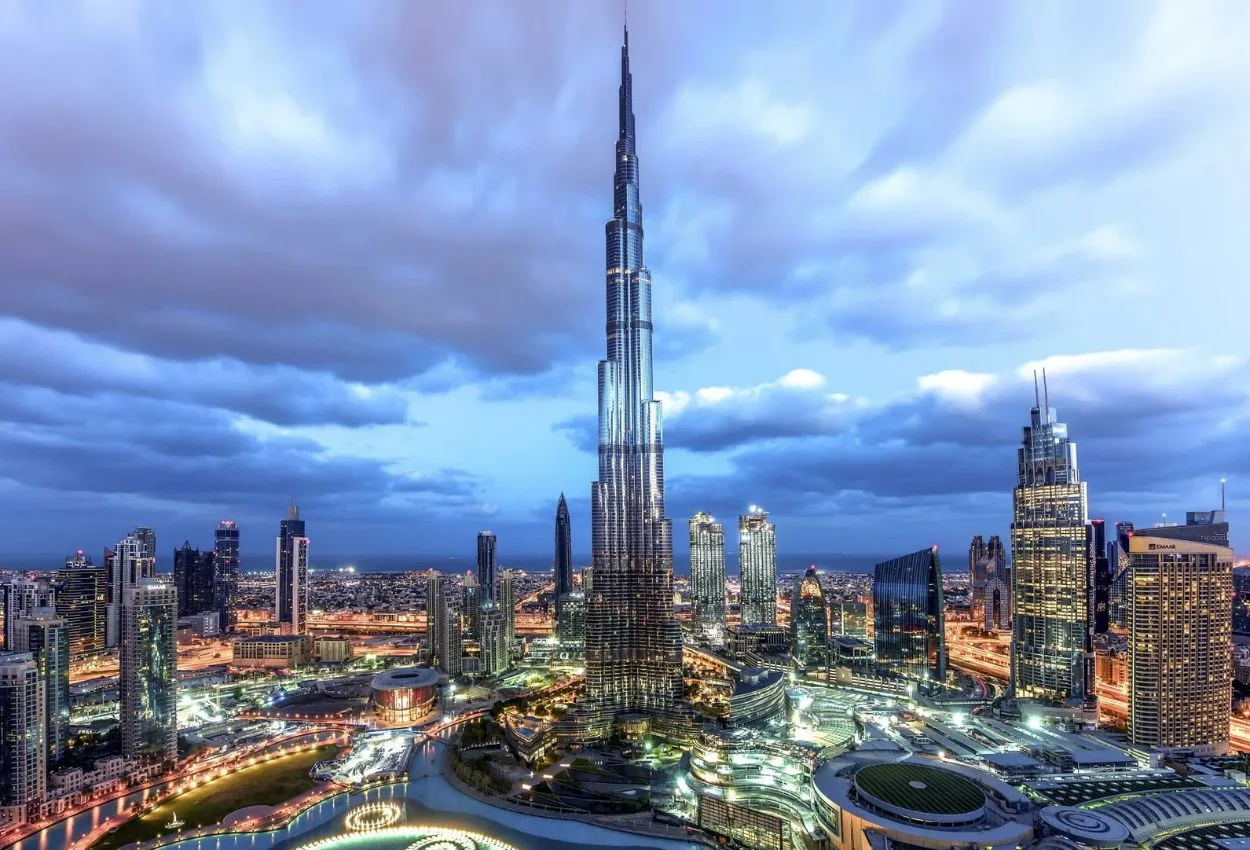
Dubai has retained its position as the world’s cleanest city for the sixth year in succession, according to the Global Power City Index (GPCI) published by the Institute for Urban Strategies at Japan’s Mori Memorial Foundation.
The emirate recorded a 100 per cent satisfaction score in the city cleanliness indicator under the Environment pillar of the index, outperforming major cities assessed across more than 70 international indicators.
The GPCI evaluates urban competitiveness across six core functions: quality of life, environment, economy, research and development, cultural interaction, and accessibility. Dubai’s score in the cleanliness category placed it ahead of all other cities measured in the assessment.
Dubai achieves 100% cleanliness score in Global Power City Index
“Dubai’s continued global leadership as the world’s cleanest city reflects a clear vision supported by sustained institutional efforts and strong partnership between government entities, the private sector, and the community. Cleanliness in Dubai is not only an operational outcome but an established urban culture that reflects the awareness, responsibility, and values of society. It contributes directly to enhancing quality of life for individuals and families and reinforces Dubai’s position as one of the most beautiful, sustainable, and liveable cities in the world,” Marwan Ahmed bin Ghalita, Director General of Dubai Municipality said in a statement.
The achievement reflects the emirate’s long-term goal of developing a clean, healthy, and sustainable urban environment that places people and community wellbeing at the core of planning, development, and city management.
Dubai Municipality operates a round-the-clock cleanliness system supported by a fleet of 785 vehicles, purpose-built machinery, and equipment, alongside more than 23,300 waste storage and collection units distributed across residential and public areas. The system is managed by 2,876 sanitation engineers and 280 supervisory and inspection personnel.
The network covers 2,400 kilometres of main roads and highways, 1,419 kilometres of investment zones, and 33.4 kilometres of water canals, in addition to markets, beaches, residential communities, industrial zones, and desert areas.
Dubai Municipality’s cleanliness efforts are aligned with the objectives of the Steering Committee for Preserving the Urban Appearance of Dubai, including performance indicators under the Public Cleanliness Index, which monitors the condition of streets and public facilities in line with international standards.
The city’s cleanliness operations are integrated with the Dubai Integrated Waste Management Strategy 2041, which sets targets to reduce waste generation at source, divert 100% of waste from landfills, and accelerate the transition towards a circular economy.
Dubai Municipality’s 785-vehicle fleet behind world’s top cleanliness record
Dubai Municipality manages the Warsan Waste-to-Energy Centre, described as the largest facility of its kind in the world, alongside a network of community recycling centres and digital platforms that support real-time monitoring and operational decisions through the Clean City Index system.
The municipality leads a number of initiatives in integrated waste management, including the Circle Dubai initiative, which promotes waste reduction, recycling, and the adoption of circular economy practices through community participation. Collaborative arrangements with private sector partners support residential waste collection, transport, and recycling services.
Community engagement is further supported by programmes such as ‘One Hour with a Sanitation Engineer’, which aims to build public awareness of the city’s cleanliness operations and the role of individual residents in maintaining urban standards.
Dubai’s recognition as the world’s cleanest city for a sixth year represents what the municipality describes as an integrated urban vision — one that positions cleanliness as a pillar of sustainability, attractiveness, and long-term prosperity.