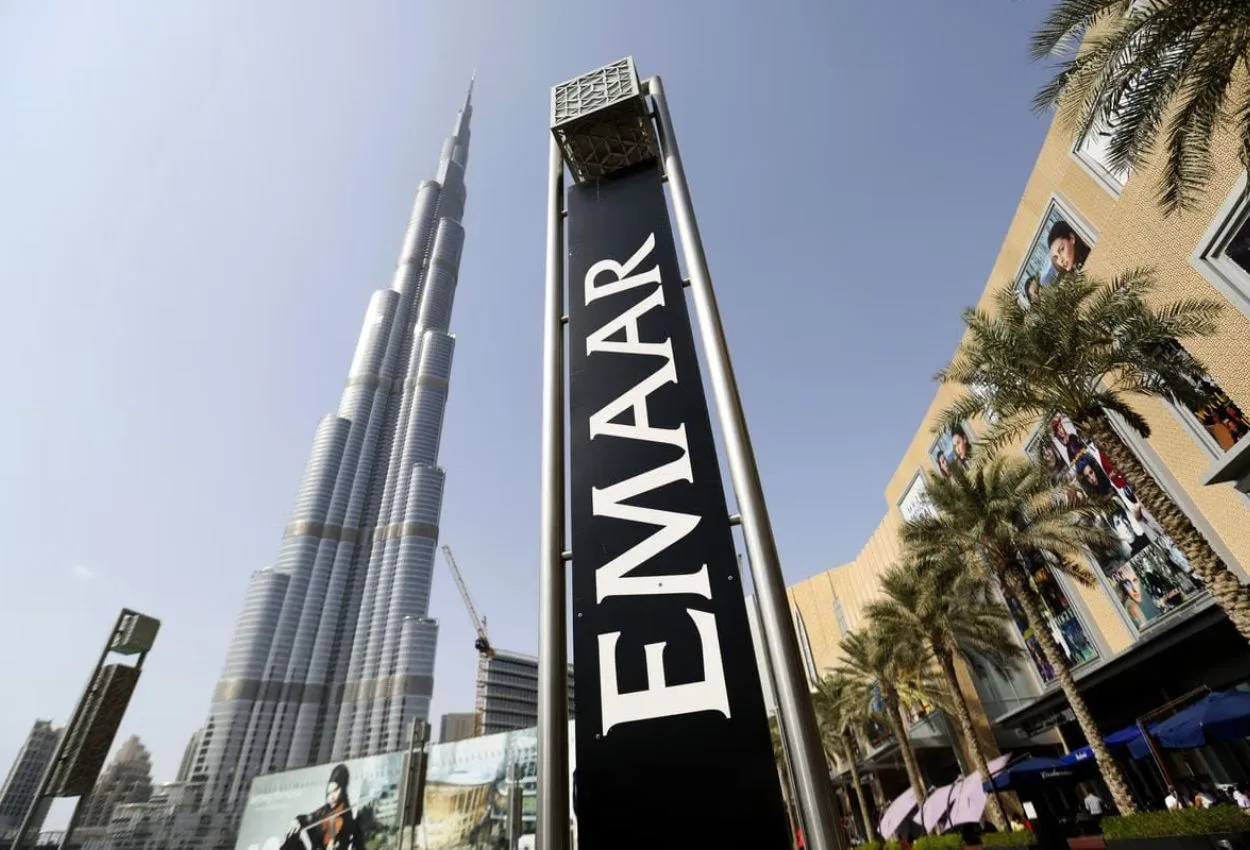
Emaar Properties PJSC (DFM: EMAAR) has posted its highest-ever annual property sales of AED 80.4 billion for 2025, alongside record revenue of AED 49.6 billion and net profit before tax of AED 25.7 billion, as the Dubai-listed developer moved to reaffirm confidence in the emirate’s economic trajectory.
The company’s revenue backlog stood at AED 155 billion as of December 31, 2025, providing forward visibility over future earnings and cash flows.
Recurring income streams – spanning malls, hospitality, leisure, entertainment, and commercial leasing – accounted for 32 per cent of total EBITDA, reflecting a diversified operating model that the group says has insulated its performance from market fluctuations.
Emaar Properties posts all-time high revenue of AED49.6bn in 2025 financial results
Emaar‘s board of directors has recommended maintaining dividends at 100 per cent of share capital for 2025, citing the company’s cash generation and track record of performance. The recommendation is subject to shareholder approval.
The group carried the momentum into the new year, with UAE property sales reaching AED 17.2 billion in the first two months of 2026, compared with AED 7.9 billion during the same period in 2025 – a year-on-year increase of 118 per cent.
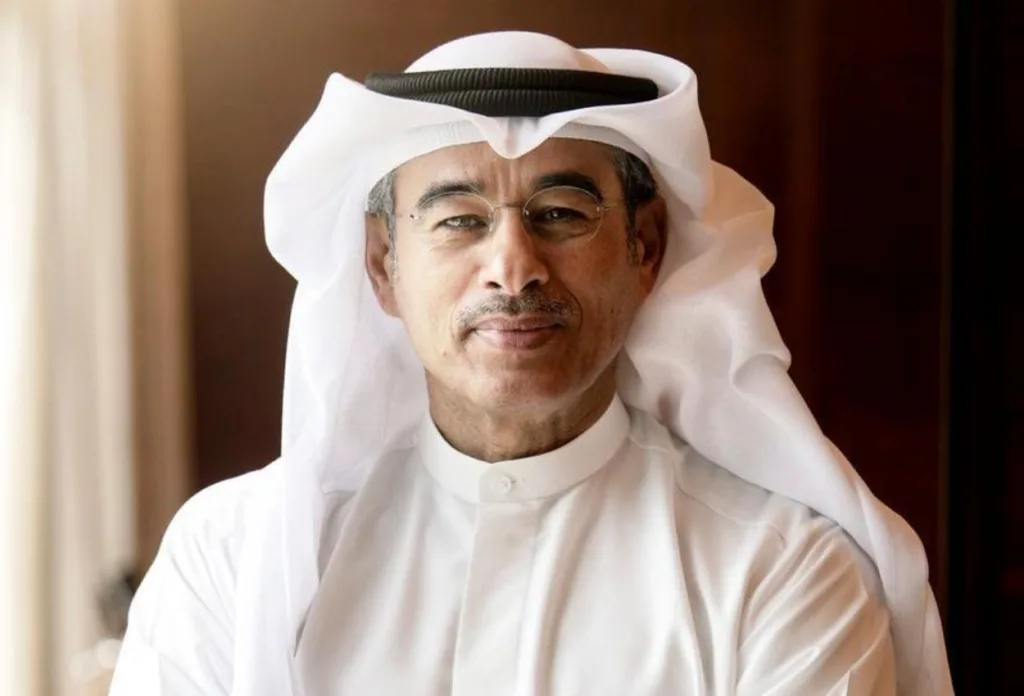
“Emaar’s performance reflects the strength of Dubai’s economic vision and the confidence investors place in its stability and long-term prospects. The city continues to demonstrate resilience, supported by effective leadership, sound regulation, and a dynamic business environment. Our focus remains on disciplined execution, operational excellence, and delivering sustainable value for our shareholders and customers,” Mohamed Alabbar, Founder of Emaar said in a statement.
Emaar holds a land bank of approximately 618 million square feet, which the company says positions it to pursue expansion without overstretching its balance sheet. Combined with the AED 155 billion revenue backlog, the group maintains it has visibility over near- and medium-term earnings.
All Emaar communities, malls, hospitality assets, and development projects continue to operate normally, the company said, adding that business continuity planning and coordination with relevant authorities remain in place.
In its statement, Emaar pointed to Dubai’s regulatory framework, diversified economy, and proactive governance as factors underpinning continued inflows. The company framed its results as a reflection not only of its own execution but of the emirate’s broader appeal to international investors.
With diversified income streams, liquidity on hand, and disciplined cost management, the group said it remains well-positioned to sustain growth and contribute to the resilience of Dubai’s capital markets.