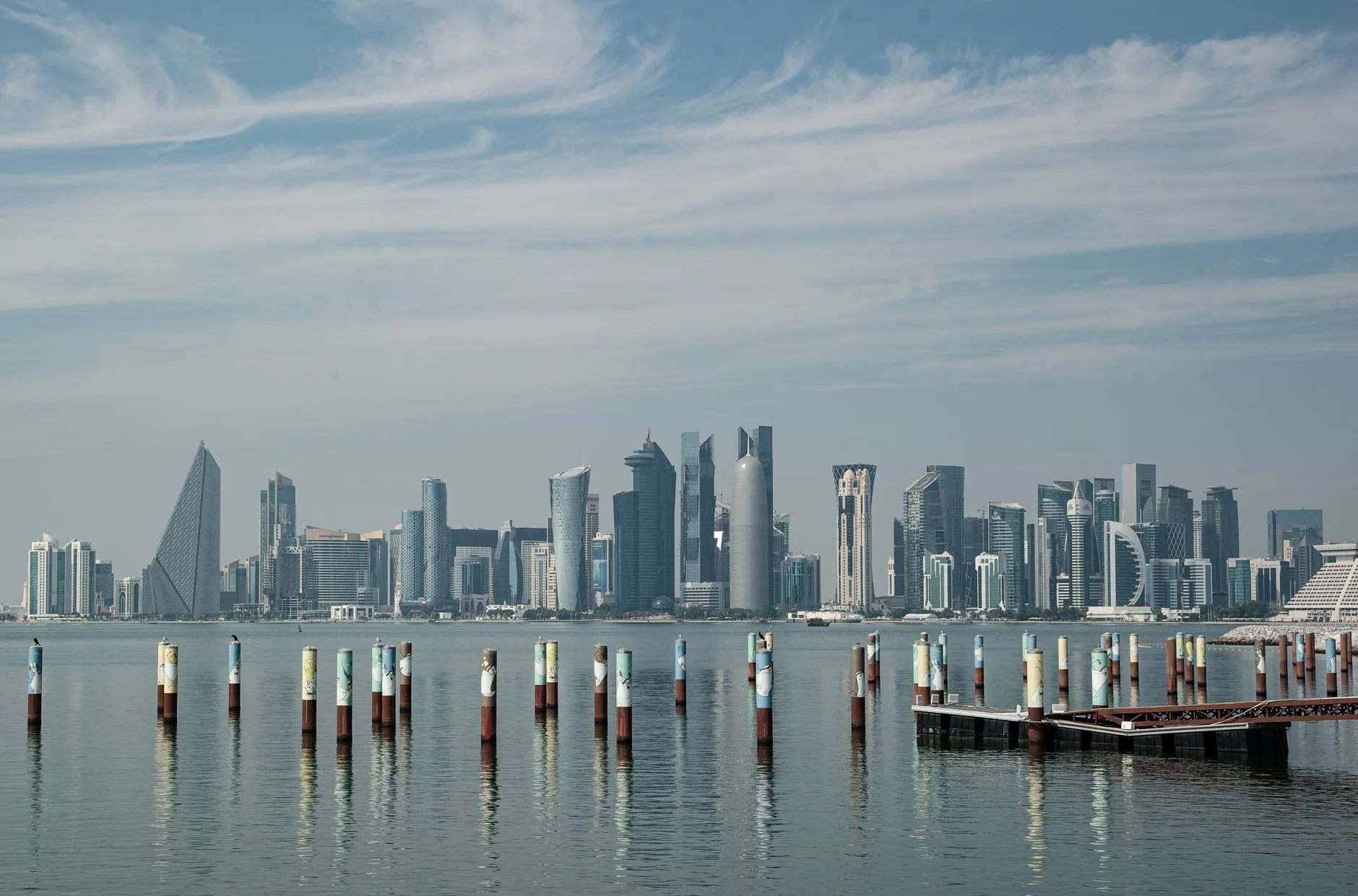
US Vice President JD Vance is considering meeting Iranian security official Mohsen Rezaei for talks to end the war, with Doha under consideration as the venue, the Wall Street Journal reported on Wednesday. The newspaper cited US and Middle Eastern officials and people familiar with the negotiations.
Vance wrote to Rezaei, secretary of Iran’s Supreme National Security Council, in October to request a meeting. No date has been set, according to the report, which said President Donald Trump had authorised Vance to negotiate with Tehran.
The central obstacle is what must happen before negotiations resume. Iranian officials want Washington to lift its naval blockade, release frozen assets and ease oil sanctions.
A proposed exchange over Hormuz
Mediators have put forward a narrower exchange to reduce tensions. Under their proposal, US aircraft carriers would move farther away to reduce the risk of major strikes, while Washington would ease the blockade on Iranian ports.
Iran would, in return, allow 25 tankers through the Strait of Hormuz, Middle Eastern officials told the Journal. The report described this as a proposal, rather than an agreed arrangement.
US Secretary of State Marco Rubio called Iran’s demands "unrealistic", while saying Washington remained open to diplomacy if Tehran changed its position. Iranian diplomats have privately questioned the prospects of an agreement, and some regional mediators doubt a deal can be reached in the coming days.
Pressure inside Washington
The effort also carries political risks for Vance. He has publicly blamed the Iran war for Republican setbacks in the midterm elections.
The Journal reported that Trump had privately questioned whether a June agreement Vance helped negotiate had allowed Tehran to regroup and collect oil revenues before the US imposed its blockade. A White House official denied that Trump had second thoughts about that agreement.
Vance has recently taken a larger role in Iran diplomacy than Steve Witkoff and Jared Kushner, according to the newspaper. Within the administration, the debate is whether to restart talks or sustain the blockade and sanctions until Tehran accepts a viable peace agreement. Rubio and White House Chief of Staff Stephen Miller favour maintaining pressure, the report said.