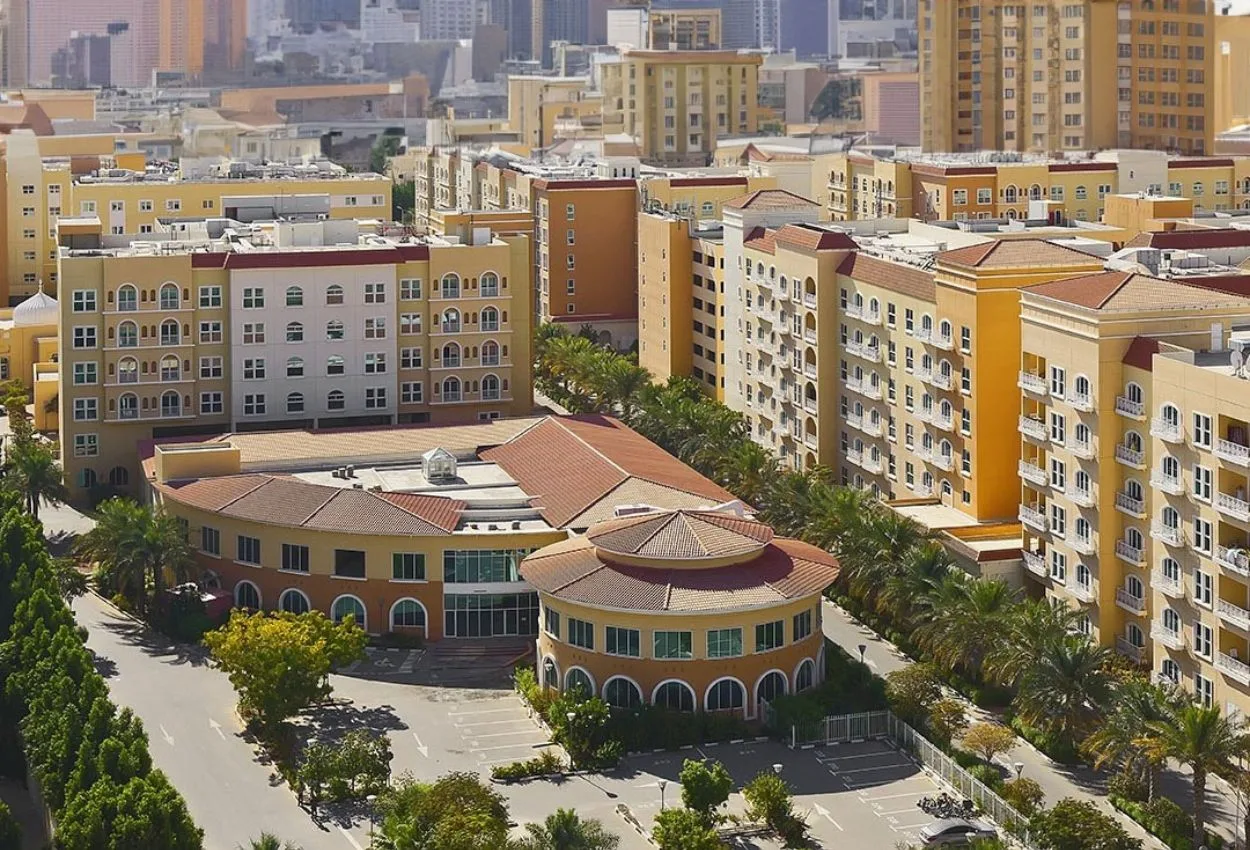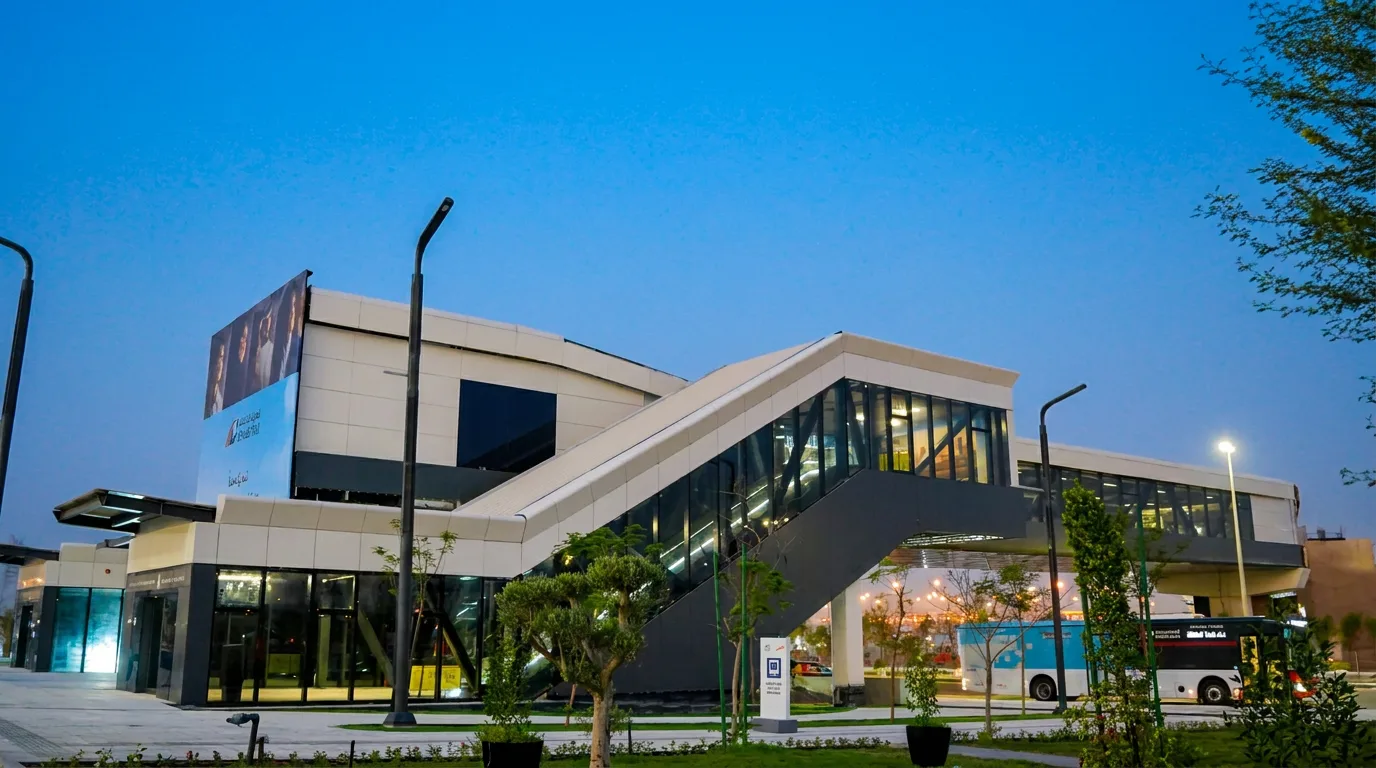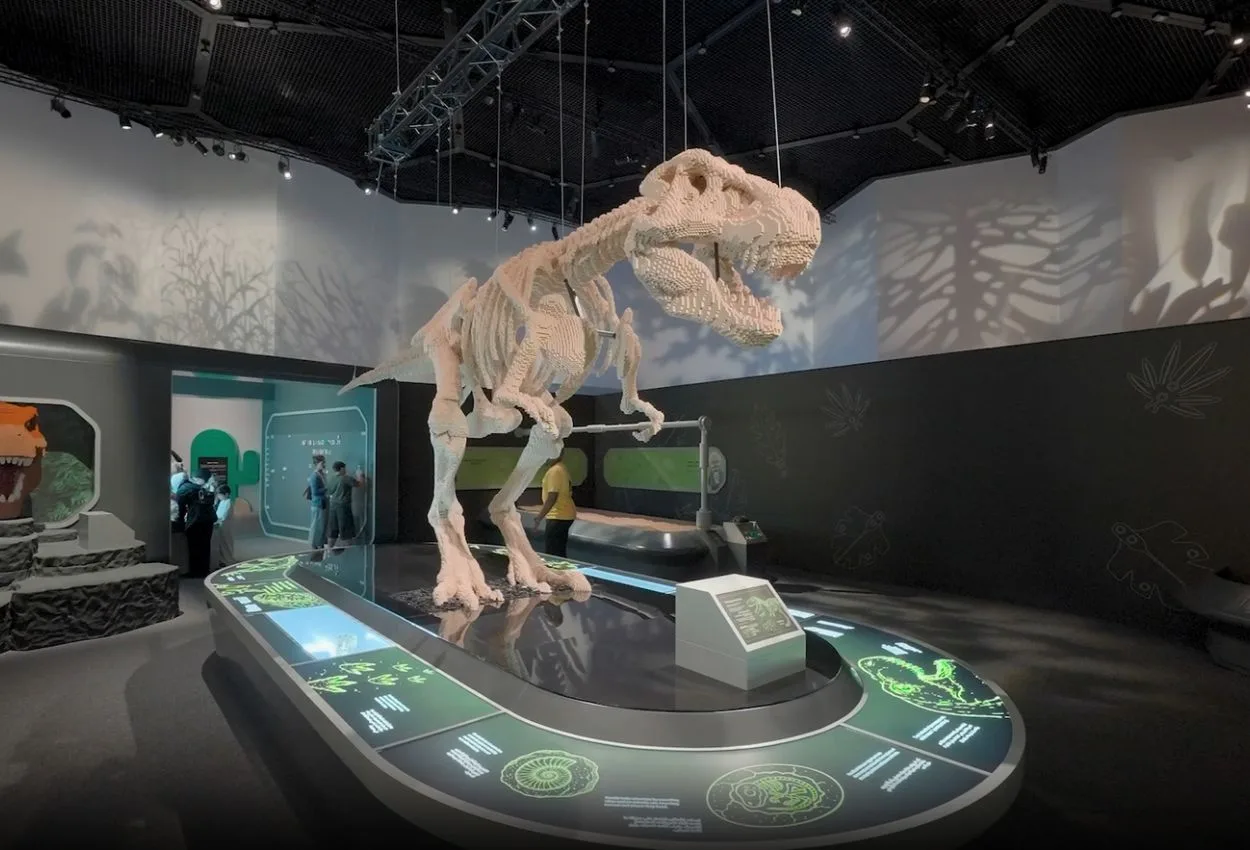
Dubai Municipality has completed more than 107 infrastructure and public space projects in 2026, with a combined value of AED 1.6 billion, through its Public Facilities Agency.
The portfolio spans public parks, beaches, neighbourhood beautification, landscaping, community facilities and support infrastructure for other government entities, including schools and social neighbourhood Majlis.
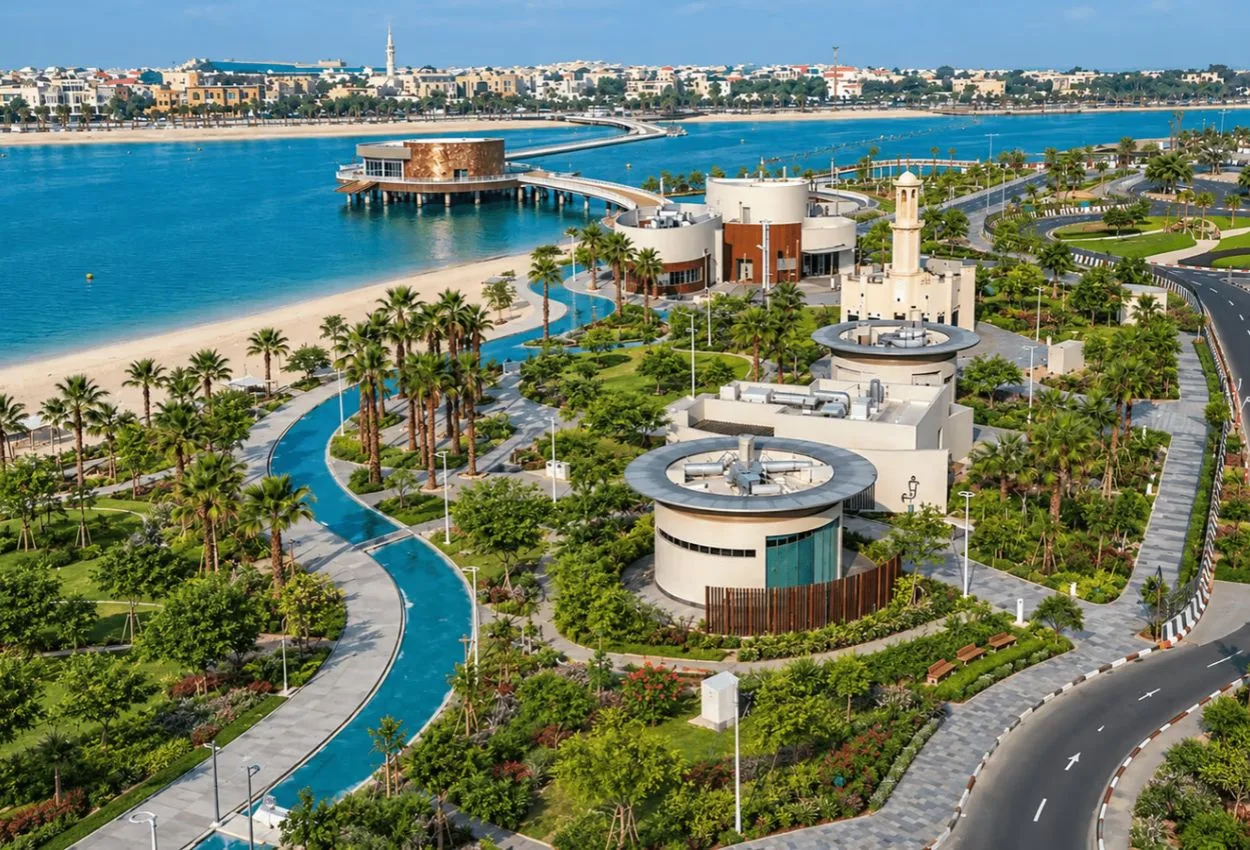
Prominent sites in the 2026 programme include Al Mamzar Beaches, Hewi Dubai in Nad Al Sheba and developments across Dubai’s countryside and rural areas. Of the total investment, 36% was directed to public beach development and 22 per cent to beautification, landscaping and agriculture.
“The value of public infrastructure is measured by what we build, as well as by how it improves people’s everyday lives and contributes to the city’s long-term development. At the Public Facilities Agency, we are advancing an approach that considers the entire journey of a public space, from understanding community needs and planning its development to ensuring that it continues to serve people efficiently and sustainably over time,” Bader Anwahi, CEO of the Public Facilities Agency at Dubai Municipality said in a statement.
“Our priority is to translate Dubai’s development ambitions into public spaces and facilities that make a tangible difference to the city. The completion of more than 107 projects worth AED 1.6 billion demonstrates the scale of this undertaking and our continued commitment to accelerating delivery while strengthening quality and operational performance. We are also expanding our contribution beyond parks and recreational destinations by supporting government entities in delivering essential infrastructure that responds to the needs of Dubai’s growing communities,” he added.
Alongside the construction programme, the Agency says it has created more than 100 investment opportunities across public facilities, with dedicated slots for small and medium-sized enterprises.
The aim is to bring commercial and service operators into public destinations, broadening what those spaces offer while generating economic participation from the private sector.
Anwahi described the commercial dimension as central to how the next generation of public facilities will function. “Our approach is to encourage investment that complements the character and purpose of each space, enhances the experience of its users and creates lasting opportunities for economic participation.”
The Agency says its delivery improvements include faster construction processes, data-informed facility management and tighter coordination between planning, design, build and operations phases.
The programme is positioned as supporting the Dubai Quality of Life Strategy 2033, the Dubai 2040 Urban Master Plan and the Dubai Economic Agenda D33.