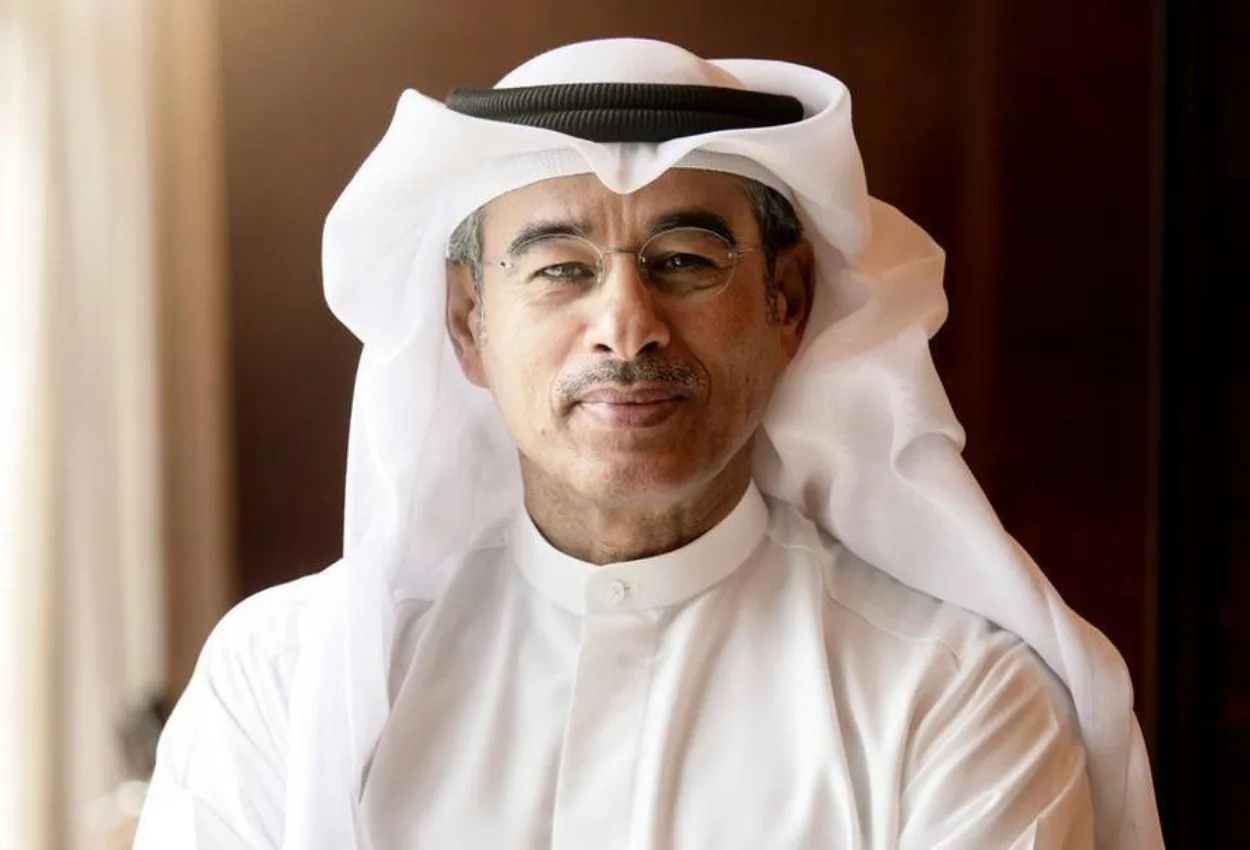
Mohamed Alabbar has urged investors to prepare for crises by maintaining capital, controlling debt, managing budgets and planning for years ahead.
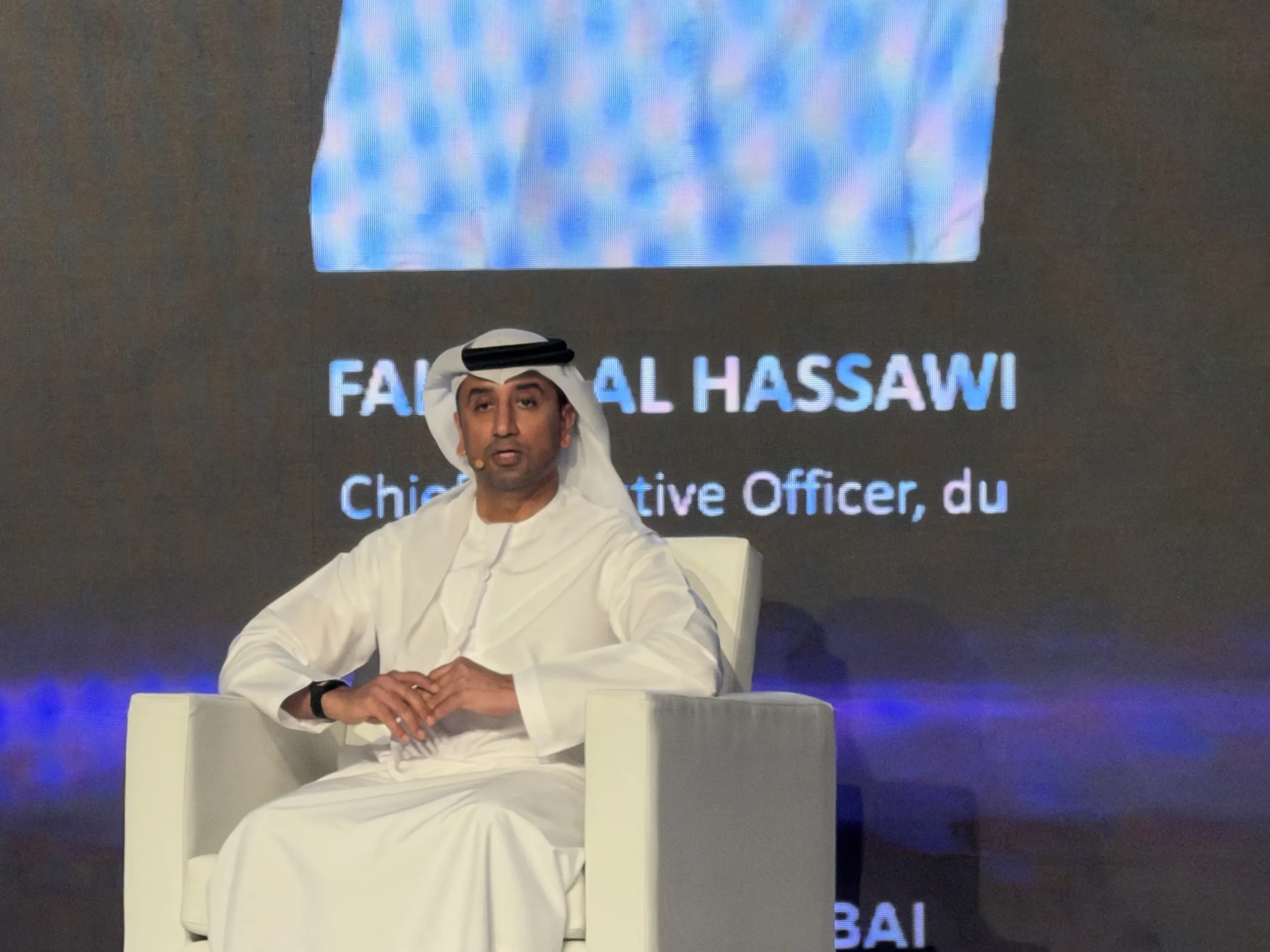
Speaking at the 2026 edition of the AIM Congress, the real estate mogul was asked what message he would give investors, including people entering the investment world.
Alabbar said the discussion at the summit had focused on how institutions deal with conditions involving the economy, politics and periods of crisis. “Generally speaking, from 1990 until now, we have gone through almost 60 crises,” Alabbar said.
He said people and businesses should prepare on the basis that an event capable of causing disruption can occur at least every two to two-and-a-half years. Such events, he said, can involve the economy, politics, health or earthquakes.
History, Alabbar said, shows that problems occur in life and that business leaders should organise their institutions with that prospect in mind.
Capital, debt and planning
Alabbar said preparation should include capital strength, limits on debt, staff quality and planning across years. He said this principle applies regardless of the type of business. “Whatever business you do — whether real estate or a coffee shop — you plan to operate over years,” he said.
Businesses should therefore plan on the basis that periods of difficulty will occur during those years, he said.
Alabbar said investors should take risks, continue developing their businesses and pursue growth, while keeping control of budgets, the scale of operations, debt and staff.
He raised a series of questions for business owners about whether they are prepared for periods of difficulty and whether they maintain control over these parts of their organisations.
Integrity, society and employees
Alabbar also said business should involve integrity and responsibility. He said leaders should ensure that their work carries integrity, including their relationship with society.
That responsibility, he said, includes giving back to society “directly or indirectly”, caring for employees and ensuring that the product remains at the centre of what a business provides.
He also said business requires seriousness during every hour of the working day.
Discipline and ‘paranoia’
Alabbar said investors and business leaders should focus on discipline and what he called “paranoia”. He explained the term as vigilance, attention, accountability and concern for detail at all times.
For Alabbar, this approach means watching the parts of a business that can affect its ability to withstand a crisis rather than waiting for a crisis to arrive before responding.
“If there is genuine seriousness, crises and problems will hopefully stay far from you,” he said. He added that businesses should prepare for such events from all sides, including through finance, management and mindset.
His message placed preparation alongside risk-taking and growth, with control over capital, debt, budgets, business scale and staff forming part of the approach.