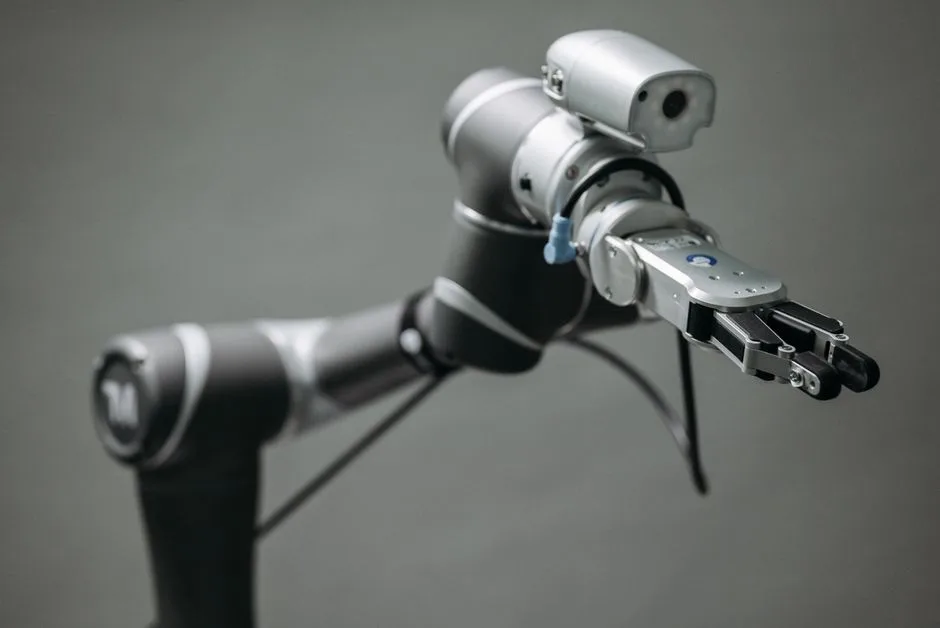
A robotic surgery system backed by UAE investment has removed a brain clot from a living patient more than 200 kilometres away from the operating surgeon, in what XCath describes as a world first in telerobotic stroke treatment.
The procedure took place earlier this year in Panama as part of XCath’s clinical investigation, Operation Robo Angel. Dr Vitor Mendes Pereira controlled the company’s Iris Surgical Robotic System from Santiago, Panama, while the patient was in Panama City. The clot was successfully removed, blood flow was restored, and the patient made a full recovery.
XCath is a medical technology company whose founding and largest shareholder is Crescent Enterprises, a UAE-based investment group that has backed the company since 2017. Crescent co-led XCath’s most recent funding round, a $30 million Series C, which is supporting development of the endovascular surgical robot and advancing its clinical thrombectomy programme.
Mechanical thrombectomy – the physical removal of a clot from a blood vessel – is the gold-standard treatment for certain severe strokes. Access to it is deeply unequal: specialist surgeons and equipped centres are concentrated in a small number of locations, leaving many patients unable to receive the procedure in time.
The Panama procedure follows a public live demonstration at Abu Dhabi Global Healthcare Week in 2024, where Dr Pereira performed a telerobotic thrombectomy from Abu Dhabi on a simulated patient in South Korea. The latest operation moved the technology from simulation to a real clinical intervention.
XCath is now working to establish what it says will be the world’s first permanent trial sites for telerobotic thrombectomy, targeting cities where patients currently have limited or no access to the treatment. The company aims to activate these sites within the next year.
“XCath continues to revolutionise surgical robotics by proving out its technology and delivering advances in treatment of mechanical thrombectomy at the highest standard of care to help people from all walks of life. As the UAE becomes a center of AI development, robotics, and medical technology, XCath is a clear example of how this ecosystem is bringing about breakthroughdelivered from the UAE to the world,” Neeraj Agrawal, Executive Director of Crescent Enterprises and Board member at XCath said in a statement.
“This milestone is a testament to the UAE’s innovative spirit. We are incredibly grateful to Crescent Enterprises, who have believed in XCath’s mission from the start and helped make this achievement possible. When it comes to stroke, every minute matters. Together, we are working towards a future where geography is no longer a barrier to lifesaving treatment,” Eduardo Fonseca, CEO of XCath added.
“This milestone is a testament to the UAE’s innovative spirit. We are incredibly grateful to Crescent Enterprises, who have believed in XCath’s mission from the start and helped make this achievement possible. When it comes to stroke, every minute matters. Together, we are working towards a future where geography is no longer a barrier to lifesaving treatment,” said Eduardo Fonseca, CEO of XCath.
“The UAE is becoming a true global pioneer in medical innovation. It is creating an environment where ambitious ideas can move from concept to world-first clinical achievements, bringing together leading medical expertise, technology and investment. The work XCath has done with the Iris System is a giant step toward broadening access to endovascular stroke treatment for patients around the world. It is the highlight of my career to be involved in this historic achievement,” Dr Vitor Mendes Pereira further explained.
The Iris Surgical Robotic System is not yet cleared for commercial distribution in any country and remains under development.