Argentina’s press celebrated with the kind of language reserved for more than sport. After the Albiceleste beat England 2-1 in Atlanta to reach the 2026 World Cup final, La Nacion wrote that the squad had “touched the heart of Argentina again, eliminated England, and is now dreaming of a new historic title.” Clarin went further, calling the current side “the greatest team in Argentine sporting history.” Ole simply called the players heroes.
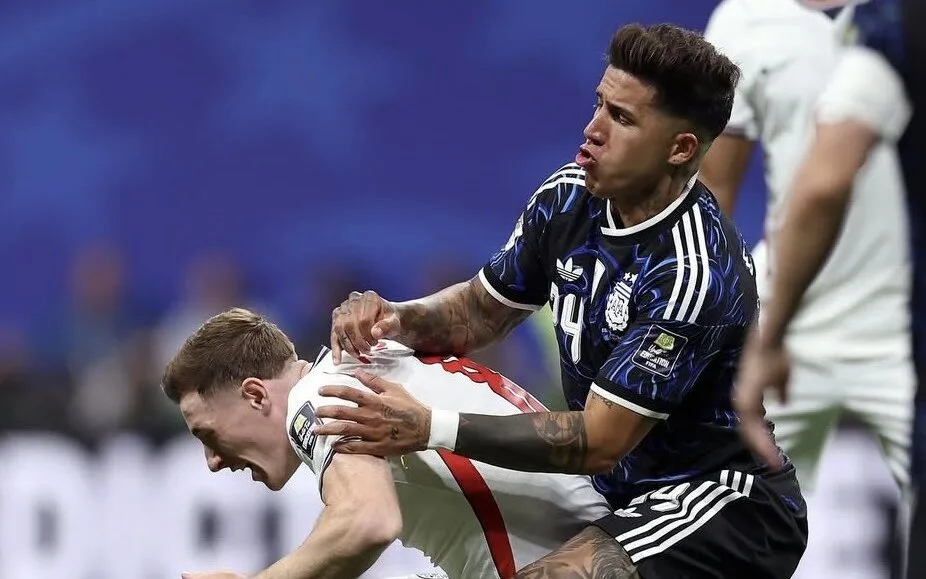
The match itself was brutal in patches. Referees counted 19 fouls in the first half alone, 12 of them against Argentina. Elliott Anderson was caught by Alexis Mac Allister inside the opening minute, and Jude Bellingham clashed with Leandro Paredes shortly after. The Telegraph tallied 31 separate incidents across the 90 minutes, spanning violent challenges, verbal provocation, deliberate time-wasting and persistent pressure on the referee. The Sun branded Argentina “Arge-Arrogantes.” British analysts also questioned whether Lautaro Martinez’s goal should have stood, citing an alleged Messi foul and an offside position in the build-up.
The political dimension was harder to ignore. After the final whistle, several Argentine players held up a banner reading “Malvinas Argentinas,” a reference to the islands Britain calls the Falklands, which Argentina occupied briefly in 1982 before losing a two-month war that killed 649 Argentines and 258 British servicemen. Giovanni Lo Celso placed the banner on the Atlanta pitch. FIFA rules prohibit political displays at its tournaments, though the federation had not commented publicly as of the time of reporting.
Argentine President Javier Milei sought to distance himself from the gesture without directly addressing it. Speaking on Radio Mitre, he said: “We shouldn’t mix things up. Recovering the Malvinas happens through smart diplomacy, not cheap nationalist gestures.” He added that Argentina had made diplomatic progress and secured a UN commitment for Britain to negotiate, before concluding: “It’s just a football match.”
Argentine fans had already woven the Malvinas into the tournament’s unofficial anthem, “La Cuarta Estrella” (The Fourth Star), which includes the line: “For Malvinas, for Diego, and for Leo’s last title, Argentina, I want to see you champion of the world twice.”
The historical thread runs long. At the 1986 World Cup, four years after the war, Diego Maradona scored twice to knock England out in the quarter-finals, including the infamous Hand of God goal he later described as symbolic revenge. The TC Sports site chose its headline accordingly this week: “Monsters… Argentina in the final, and England is still waiting” — a reference to England manager Alf Ramsey’s 1966 remark calling Argentine players “animals” after a violent quarter-final.
Argentina now face Spain in Sunday’s final.