Vessel traffic through the Strait of Hormuz dropped sharply on Wednesday, the first day after the United States reinstated its naval blockade on Iranian ports, as fighting between the two countries intensified across the Gulf.
Data from commodity tracking platform Kpler showed seven ships transiting the strait on Wednesday, most using the Iranian shipping lane, compared with 13 the previous day.
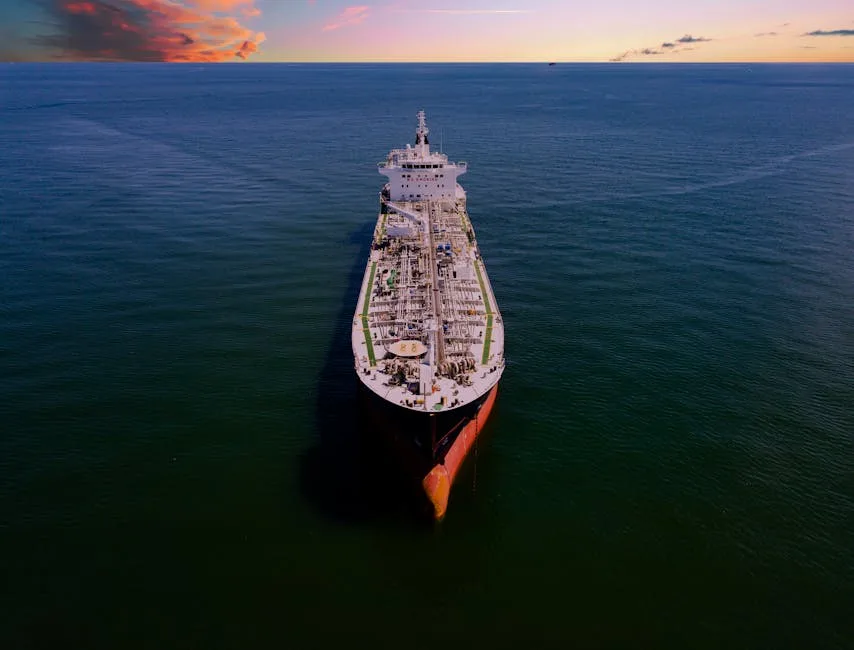
No very large crude carriers or LNG tankers made the crossing on Wednesday. Of the three vessels that did exit the strait, one carried liquefied petroleum gas, one coal, and one fuel oil. The four ships that entered the Gulf were travelling empty: three small oil tankers and a grain vessel.
Separately, Kpler data showed a Suezmax tanker carrying one million barrels of Saudi crude oil exited the strait on Tuesday with its transponder switched off.
Iran announced the closure of the Strait of Hormuz late Saturday, and hostilities have escalated since. Before the conflict, roughly 20% of the world’s oil and gas shipments passed through the waterway.