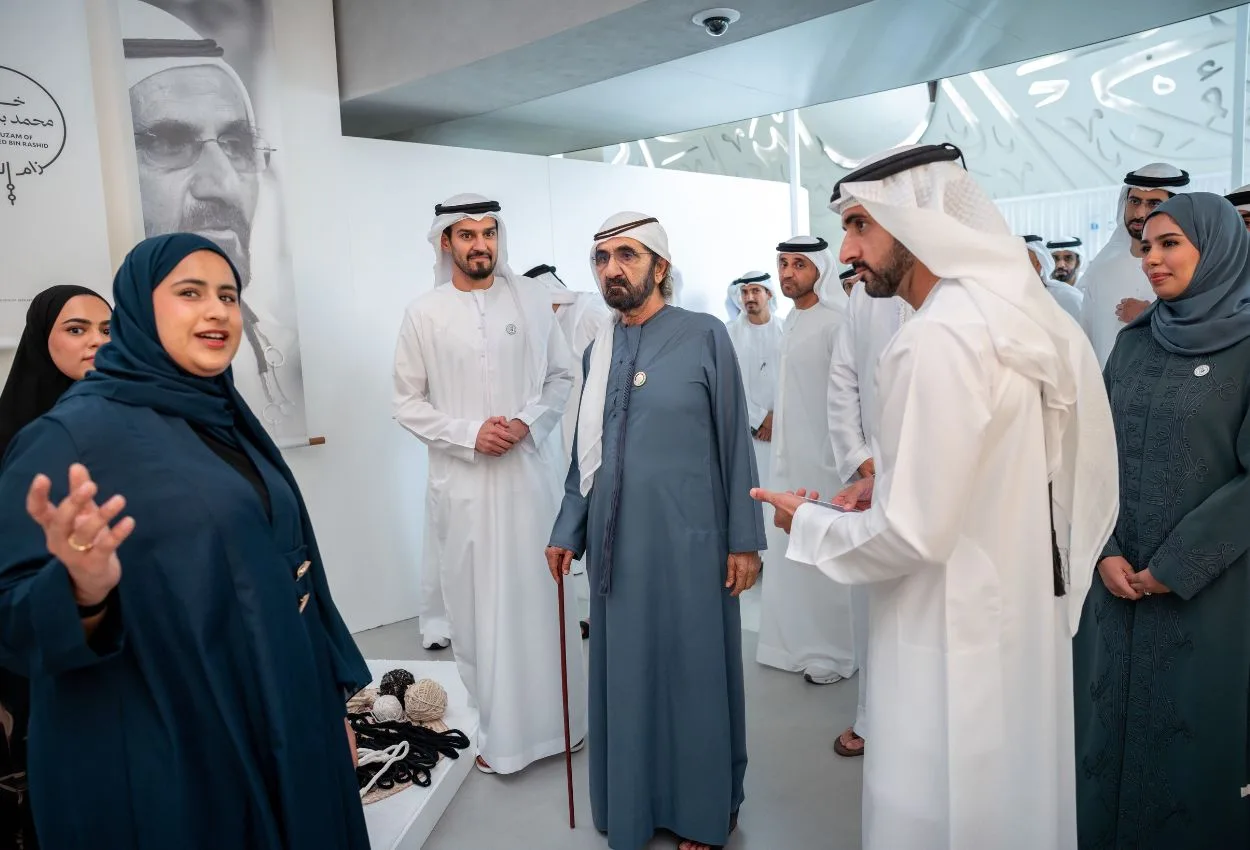
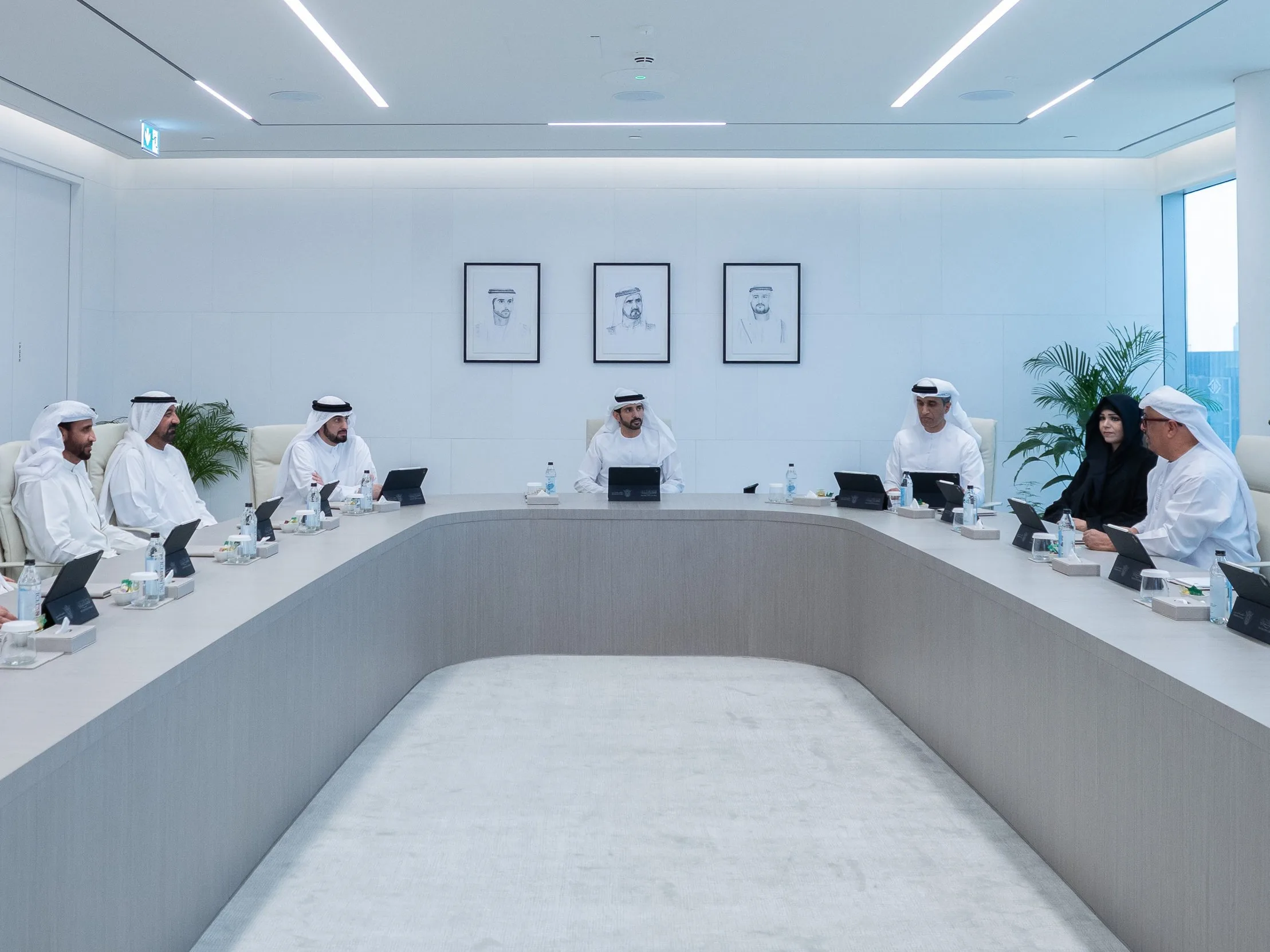
Sheikh Hamdan bin Mohammed bin Rashid Al Maktoum, Crown Prince of Dubai, Deputy Prime Minister and Minister of Defence of the UAE, and Chairman of The Executive Council of Dubai, has approved a package of strategies and projects worth AED18 billion, covering culture, infrastructure, trade, urban planning, finance, and population monitoring.
“Dubai, which has become synonymous with ambition and achievement, backs its words with action and continues to write new chapters of success. Under the vision of His Highness Sheikh Mohammed bin Rashid Al Maktoum, Vice President and Prime Minister of the UAE and Ruler of Dubai, we are building a city that does not pause. We plan for the future while delivering for the present, ensuring that every step forward is anchored in progress and purpose,” Sheikh Hamdan said in a statement.
“Through the Dubai Cultural Strategy 2033, led by Her Highness Sheikha Latifa bint Mohammed bin Rashid Al Maktoum, Chairperson of the Dubai Culture and Arts Authority, Dubai will embark on an ambitious new path that will support the Dubai Plan 2033 and the Dubai Social Agenda 33, making the city a global cultural reference, rooted in the UAE’s heritage, pioneering innovation and talent.
“Just as we nurture the cultural landscape, we consolidate our mission across every dimension of the city, including the way we plan our urban areas, harness data for policymaking, empower our people, attract investment, and support new sectors. Today’s approvals reflect the breadth of Dubai’s ambitions and the depth of its commitment to its residents and generations to come,” he added.
The session was held at Emirates Towers and attended by Sheikh Ahmed bin Mohammed bin Rashid Al Maktoum, Second Deputy Ruler of Dubai.
Among the largest approvals was the First Al Khail Street Development Plan, a 15-kilometre elevated carriageway running parallel to Sheikh Zayed Road, with three lanes in each direction. Construction begins in Q3 2027 and is due to complete in Q4 2030. The project will serve 2.6 million people, connect Al Barsha, Al Quoz, Business Bay, and Meydan, and cut peak-hour travel time on Sheikh Zayed Road by 51%, adding capacity for roughly 9,000 vehicles per hour.
The Dubai Cultural Strategy 2033, supervised by the Dubai Culture and Arts Authority and led by Sheikha Latifa bint Mohammed bin Rashid Al Maktoum, targets a GDP contribution from the culture sector of 5.4% and public-private partnership value of AED2.75 billion. It includes 40 initiatives aimed at supporting over 6,000 local talents, attracting more than 6,000 international creatives, and growing Dubai’s cultural asset footprint by over 200%.
The Dubai Customs Strategy 2030 focuses on trade facilitation, economic partnerships, and security compliance, with the goal of strengthening Dubai’s position as a global trade hub.
A real-time population monitoring system called ‘Dubai Population Now’, led by the Dubai Data and Statistics Establishment, was also approved. It uses artificial intelligence and smart forecasting to track population in real time and inform decisions on housing, education, health, and transport. Dubai’s population stood at 4.58 million at the end of 2025, up 332,000 (7.5%) from the prior year.
The Emirati Talents Strategy in Private Education targets 3,000 nationals working in the sector by 2033, in support of the Dubai Education Strategy 2033. Initiatives include the Teacher Qualification and Accreditation Academy (Bridge to Teach) and TeachXperience, among others.
The Dubai Investor Register, a unified register for institutions and individuals operating or investing in Dubai, was approved to support the D33 agenda’s target of AED650 billion in foreign direct investment by 2033. It allows companies to operate across multiple zones without re-registering and meets Financial Action Task Force requirements.
A new visual identity for Dubai’s address system will roll out across 186 areas by 2029, with signage designed to reflect the emirate’s urban character and improve geographic navigation.
Finally, the Global Centre for Technology and Innovation in Islamic Finance was approved. Managed by the Dubai International Financial Centre (DIFC) with global partners, the centre will run an Islamic Finance Innovation Challenge and host the Future Islamic Finance Forum on 4 November 2026. The DIFC Academy aims to train over 3,000 people by 2031. The Islamic fintech sector’s market is projected to reach $9.31 trillion by 2030, according to the council.