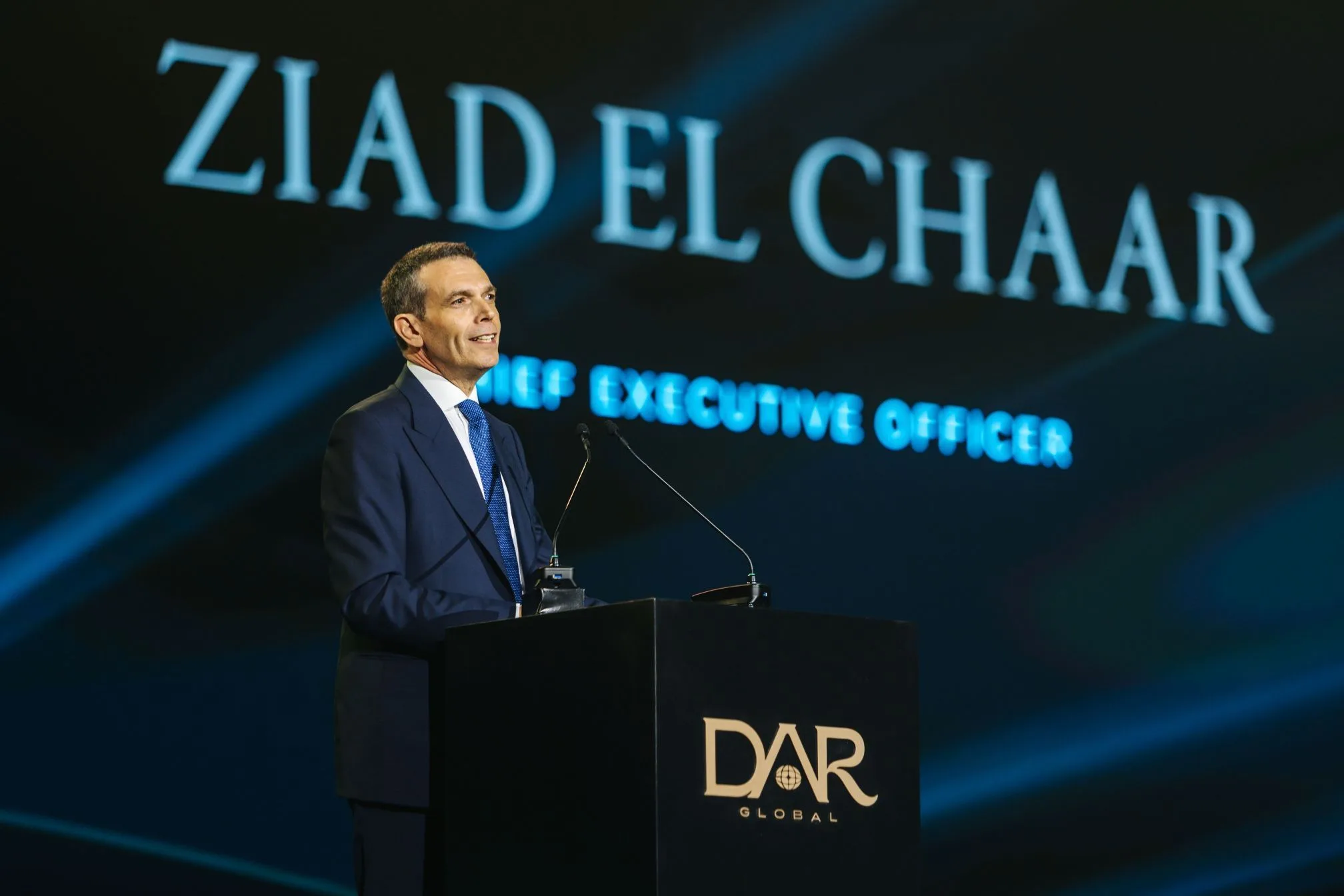
DarGlobal’s chief executive said the Gulf has just passed the test that matters most to global investors: it stayed calm.
Through months of regional conflict, Ziad El Chaar argues, the GCC held its order while, in his telling, much of Europe would not have. “Even after five months of conflict, I still believe nobody doubts the safety and security of the various cities and the countries of the GCC,” he told Lana last week, as a ceasefire took shape and the developer approached its fifth year of operation.
Then the sharper version. “If this conflict was for five months in any European country, the looting and the stealing and the theft would have gone through the roof,” he said. “We have not seen a single incident across the GCC, so that element has been protected and protected very heavily.”
The framing is deliberate, because safety is, in his view, the Gulf’s first pitch to global capital. “The first key element that people look for when they look at the Gulf is safety and security,” he said, and a five-month stress test left it intact. For an international buyer choosing where to place money and family, he argues, that record is the ground everything else stands on.
The second pillar is financial. “The second element that the global community will be looking for is the strength of the financial system,” he said. Central banks, he added, “will continue to support very heavily the banks so that people will continue to see the resilience of the banking sector.” When shocks hit, he said, that government backing is what keeps the sector steady.
Underwriting that resilience is a balance-sheet advantage El Chaar said most observers miss. “The debt levels in the governments of the GCC are very low,” he said, compared to G20 economies running debt-to-GDP ratios near or above 100 percent. “This gives these governments a massive propensity to jump start their economies much better than any other economy in the world.” Those low levels, he said, let governments keep priming their markets to “jump start the economy to pre conflict levels, or even better,” with support that will look different in each country, from new project launches in Saudi Arabia and Abu Dhabi to fresh incentives for international buyers in Dubai.
That stability is what DarGlobal sells. The company, which launched its first project in June 2021 and now serves buyers from more than 125 nationalities, saw revenue more than double to $539 million last year, with net profit up 580 percent. Its model targets what El Chaar calls the global citizen. “From day one we went out to establish a company for global citizens,” he said, an affluent buyer who no longer lives, works or invests in one city, and who wants security and privacy above almost everything.
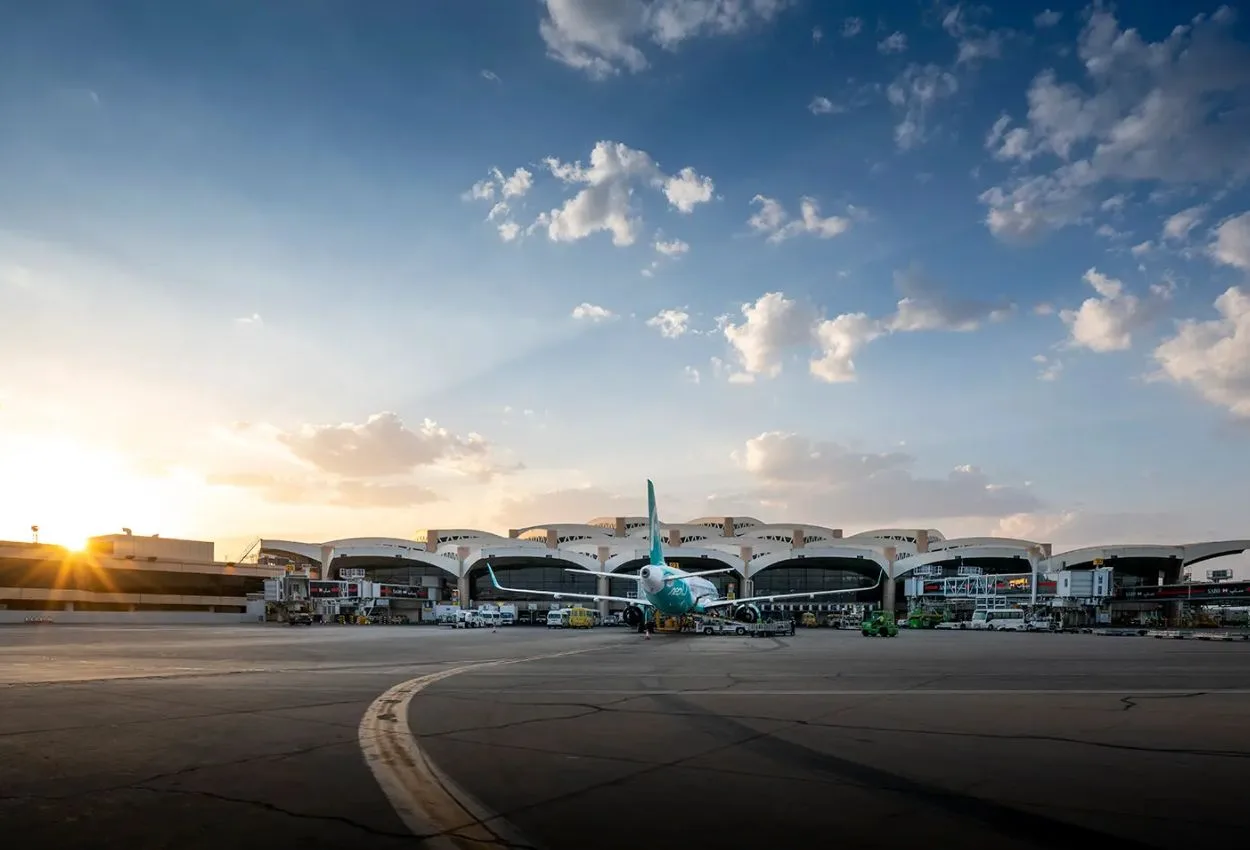
Nowhere is the pitch sharper than in Saudi Arabia, which recently opened real estate to non-resident foreign investors for the first time, the last G20 market to do so. El Chaar called the kingdom “heaven for real estate,” citing a population half of which is under 30 and a local market worth close to SAR 600 billion a year. Part of the draw is what it does not tax: buyers are “investing in a market with no capital gains tax, no real estate tax, and no repatriation tax,” in a currency pegged to the dollar. He set that against less predictable markets. “You don’t want to have your investment portfolio changing every time there’s a change in the government, like what’s happening in the UK,” he said. Within two months of offering its Saudi projects abroad, the company drew buyers from 30 nationalities.
Brand reinforces the message. In January DarGlobal announced around $10 billion of Trump-branded projects in Riyadh and Jeddah, and El Chaar, who began working with the Trump Organization in 2012, casts it as “a brand of luxury, exclusivity, customer service, a brand that is non-apologetic, a brand that is a challenger.”
Even the company’s move into tokenization, partnering with World Liberty Financial on a Trump hotel in the Maldives, lands on the same question of trust. “Tokenization solves the two biggest problems in real estate,” he said. “The first one is transparency, and the second one is liquidity.” Token holders become partners in the development itself, with the company estimating returns of “20 to 24% IRR on their investment.”
Five years in, the ambition is global, but the pitch starts at home, with a region El Chaar believes has just proved its resilience in front of the world. “We are so proud to be a startup from Saudi Arabia, launched to the globe,” he said, before naming his target without hesitation: “we want to be associated with the top 50 real estate global houses.”