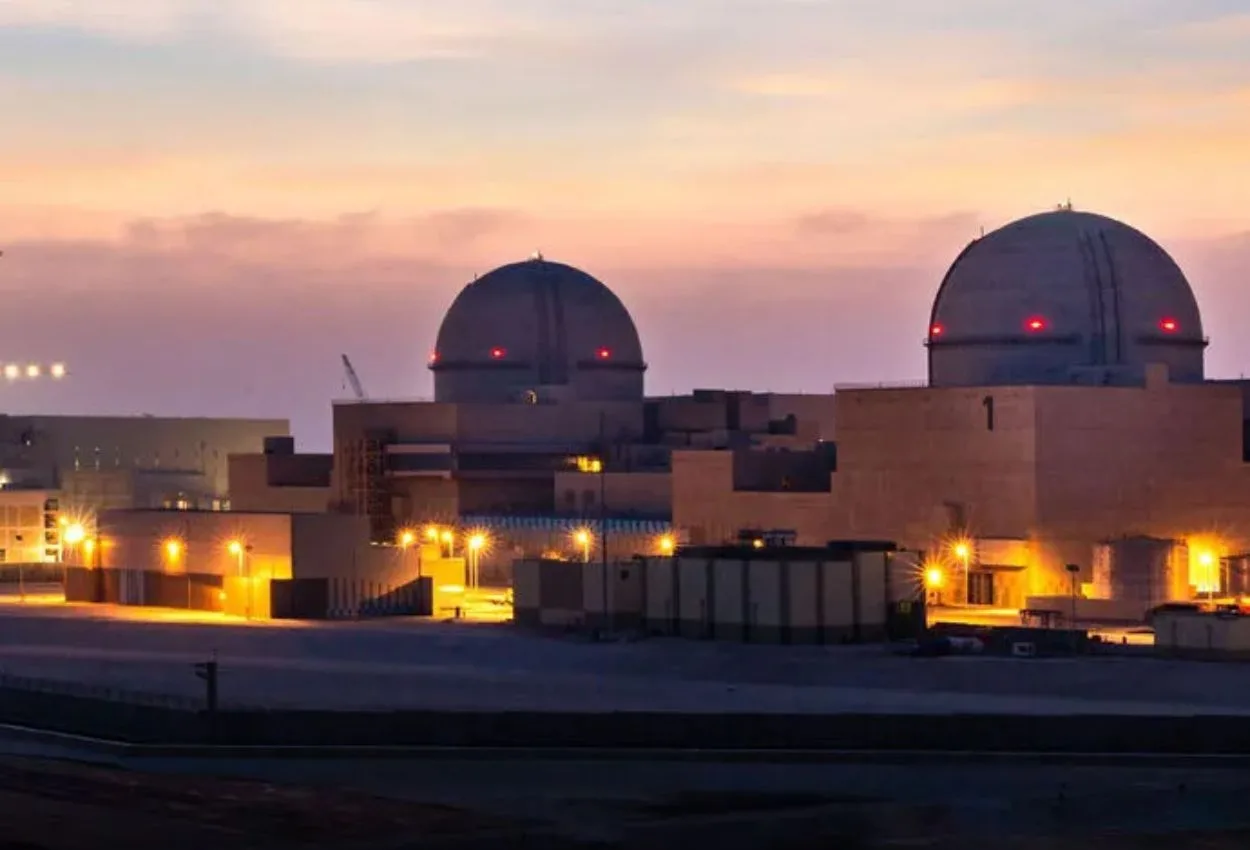
The UN Security Council has condemned the attack on the UAE’s Barakah Nuclear Power Plant, with member states warning of the grave risks posed by targeting nuclear facilities and calling for full accountability.
At an emergency session, Ambassador Mohamed Abushahab, the UAE’s Permanent Representative to the UN, said the plant suffered no casualties and no radiological release. “The Barakah nuclear power plant remains safe, stable and operational, supplying up to 25% of the UAE’s clean electricity,” he told the Council. “This plant produces more than 40 terawatt-hours of energy annually, powering our homes, hospitals, and industries.”
He was firm, however, that the outcome should not define the response. “The absence of catastrophic consequences should not diminish the gravity of this attack,” Abushahab said, describing threats against nuclear facilities as a “red line” for the UAE and warning that such actions carry risks well beyond national borders.
Abushahab also told the Council that deliberately targeting civilian infrastructure violates international law, and that attacks on facilities designated for peaceful nuclear purposes represent a violation “of utmost gravity.”
Pakistan’s ambassador echoed that position, referring specifically to the May 17 incident and warning that strikes on nuclear installations could cause irreversible civilian harm and severe environmental damage. He called on all parties to de-escalate and exercise maximum restraint, cautioning that further escalation would have consequences extending far beyond the region.
The UAE joined other Council members in demanding accountability and affirmed that civilian nuclear facilities must not be used as targets or as leverage in any conflict under any circumstances.