From modern metro lines to traditional taxis and Nile ferries, the Egyptian capital offers a wide range of transport options to suit every budget and comfort level.
This guide walks you through the main modes of transportation in Cairo, how to use them efficiently, and insider tips for traveling like a local.
1. Taxis
Overview
Taxis are Cairo’s most common and convenient way to travel, especially for visitors unfamiliar with the city’s layout. They are available almost everywhere, from hotel entrances to street corners.
Types of Taxis
- White taxis: Modern sedans with meters, air conditioning, and more reliable fares.
- Black taxis: Older models, often without meters — fares are negotiated in advance.
- Ride-hailing taxis: App-based services like Uber and Careem, which have become extremely popular for their safety, reliability, and transparent pricing.
Tips for Using Taxis
- Always check the meter: In white taxis, ensure it’s switched on when the trip begins.
- Negotiate with older taxis: Agree on a fare before the ride if there’s no meter.
- Use ride-hailing apps: They eliminate the need for bargaining and provide GPS tracking.
- Carry small bills: Drivers may not have change.
- Traffic caution: Cairo’s roads are busy — allow extra time, especially at rush hour (8–10 a.m. and 4–7 p.m.).
2. Cairo Metro
Overview
Cairo’s metro system is one of Africa’s oldest and most efficient public transport networks. It’s clean, inexpensive, and often the fastest way to cross the city during rush hours.
Lines & Coverage
- Line 1 (Red): Runs from Helwan (south) to El-Marg (north) — serving central Cairo.
- Line 2 (Orange): Connects Shoubra El Kheima with Giza, crossing the Nile.
- Line 3 (Green): Expanding east-west line linking Heliopolis, Abbassia, and Cairo Airport area.
Key Features
- Air-conditioned trains on newer lines.
- Women-only cars in the middle of most trains for comfort and safety.
- Clear English signage at major stations.
Tips for Metro Travel
- Tickets are inexpensive and based on zones; buy at station counters.
- Avoid peak times (morning and late afternoon).
- Keep your ticket until you exit — it’s needed for the gate.
- Ideal for reaching tourist sites such as the Egyptian Museum (Sadat Station), Coptic Cairo (Mar Girgis Station), and Giza (Giza Station on Line 2).
3. Buses and Microbuses
Overview
Cairo’s bus network is extensive and cheap, connecting nearly every district. However, routes can be confusing for newcomers, and signage is often only in Arabic.
Public Buses
Operated by the Cairo Transport Authority, these large red, blue, or green buses serve major roads and suburbs. Fares are extremely low, but buses can be crowded and not always punctual.
Microbuses
Smaller vans running flexible routes, often used by locals for quick, cheap transport. They are fast and frequent but not recommended for first-time visitors due to language barriers and lack of route information.
Tips for Bus Travel
- Best for experienced travelers or those with a local companion.
- Keep small change ready for fare payment.
- Expect no air-conditioning on most routes.
- For long-distance travel, consider private coach companies for comfort and reliability.
4. Ride-Hailing Apps
Overview
Digital ride services have transformed transport in Cairo. Apps like Uber and Careem are widely used and offer fixed fares, route tracking, and comfortable vehicles.
Advantages
- Clear, upfront pricing.
- Option to pay by cash or card.
- Availability across Cairo and Giza.
- English-language interface and 24-hour service.
Tips for App Users
- Enter pickup locations carefully — streets may have similar names.
- Check the driver’s details before entering the car.
- For airport trips, schedule your ride in advance during busy hours.
5. Nile River Transport
Overview
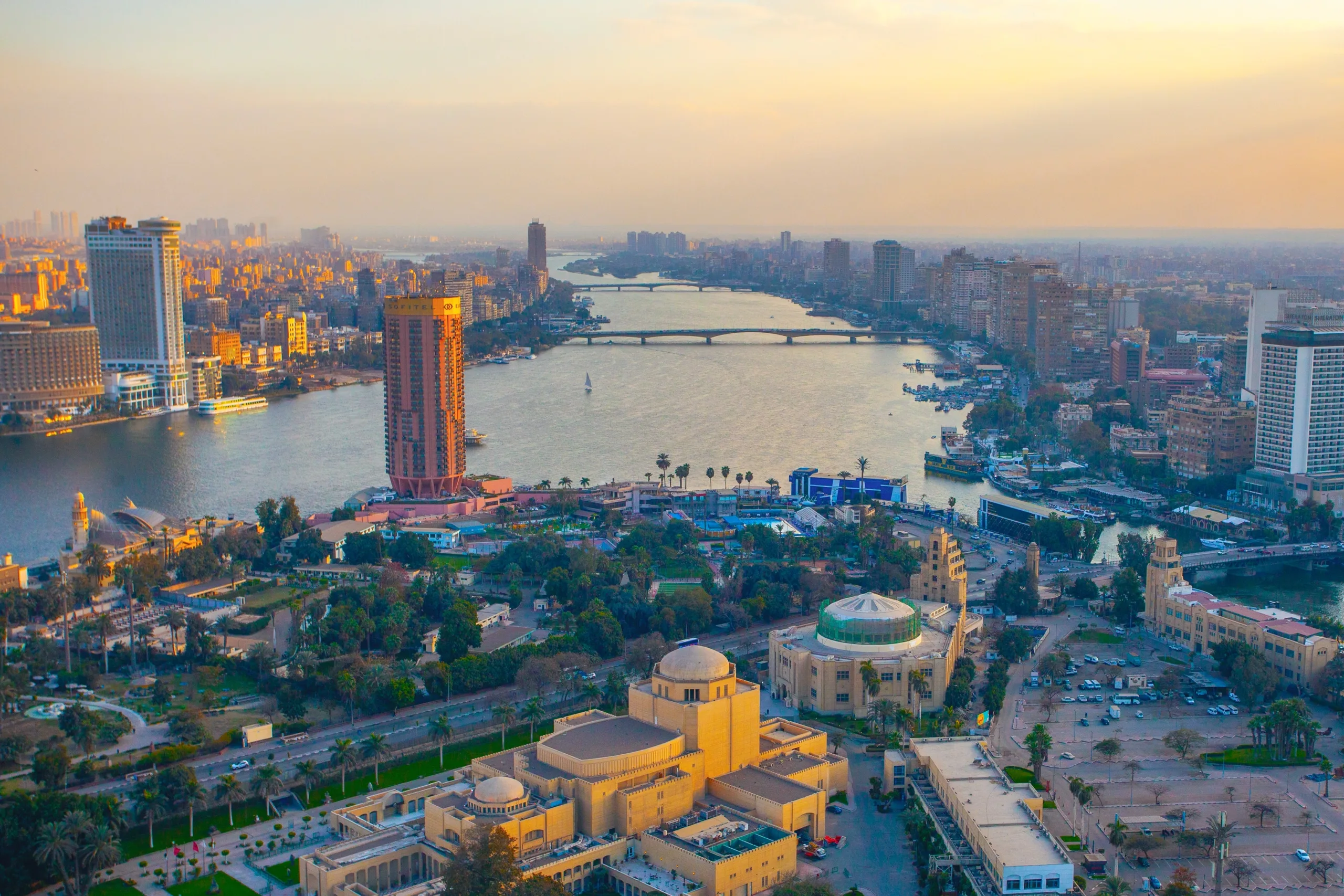
For a scenic alternative, the Nile offers ferry and boat options connecting neighborhoods along the river. These range from public ferries to private water taxis.
Public Ferries
Simple, affordable boats that run between key points like Giza, Imbaba, and downtown. Used mostly by locals but a unique experience for visitors.
Private Water Taxis
Modern, air-conditioned boats available at main docks. They cost more but offer comfort and spectacular views of the city skyline.
Tips for Nile Travel
- Best enjoyed at sunset or after dark when the city lights up.
- Always agree on the fare for private boats before boarding.
- Great for photography or a break from traffic.
6. Private Cars and Drivers
Overview
Hiring a private driver is an excellent option for comfort and flexibility, especially for day trips to areas outside Cairo such as Giza, Saqqara, or Memphis.
How to Arrange
- Most hotels can organize trusted drivers with English-speaking guides.
- Rates are usually charged per day or half-day.
- Ideal for families or groups who prefer personalized service.
Tips for Hiring
- Confirm the total fare (including waiting time) before the trip.
- Ensure the vehicle has air conditioning.
- Tipping is customary for good service.
7. Walking
Overview
Walking in Cairo can be rewarding in certain neighborhoods, especially in Zamalek, Garden City, or around the historic Islamic Cairo district. However, sidewalks can be uneven and traffic unpredictable.
Tips for Pedestrians
- Cross streets cautiously; use pedestrian bridges where available.
- Wear comfortable shoes and stay hydrated.
- Avoid walking long distances in summer heat.
- Enjoy early mornings or evenings when temperatures are milder.
8. Airport Transfers
Overview
Cairo International Airport is about 20–30 kilometers from downtown. Taxis, ride-hailing apps, and private transfers are the most convenient options.
Options
- Taxis: Fixed-rate white taxis are available at arrival terminals.
- Ride-hailing: Uber and Careem operate from all terminals with designated pickup zones.
- Hotel transfers: Many hotels offer pre-booked airport pickup for a fixed fee.
Tips for Arrivals
- Avoid unlicensed drivers offering rides inside the terminal.
- Confirm the fare before departure if taking a regular taxi.
- Plan extra time during peak traffic hours.
9. Practical Tips for Getting Around
- Traffic: Cairo traffic is heavy; allow generous time between destinations.
- Peak Hours: Avoid driving or taxi rides from 8–10 a.m. and 4–7 p.m. when possible.
- Payment: Always carry small bills; many drivers don’t have change.
- Safety: Use seatbelts when available and avoid motorbikes unless with a guide.
- Navigation: Google Maps and ride apps work reliably; offline maps are helpful in areas with poor signal.
- Etiquette: Friendly conversation with drivers is common — but always stay polite and professional.