Google is rolling out a new account recovery method: a short selfie video that users can set up as a backup way to sign in if they lose access to their usual device or credentials.
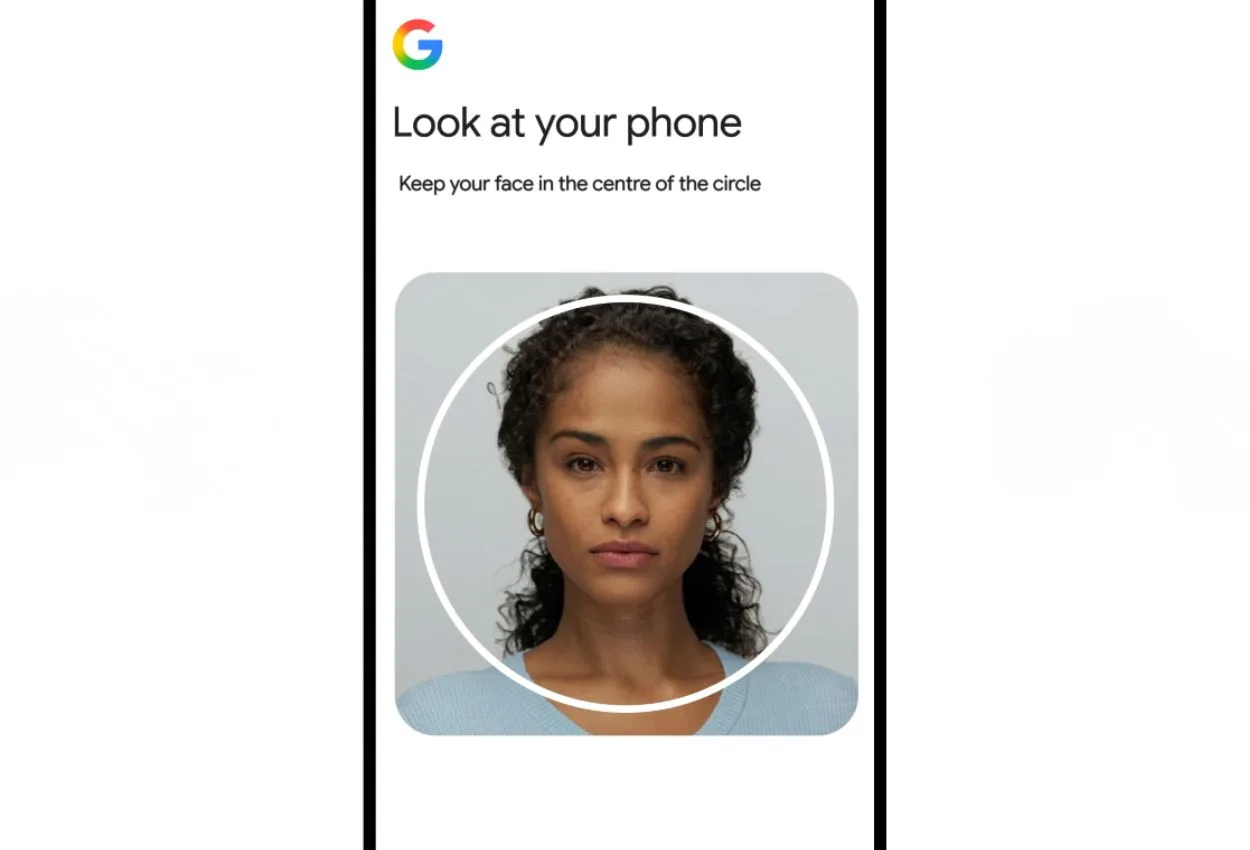
To enroll, users look into their device’s camera and complete a series of guided head movements, allowing the system to capture multiple angles. If they’re later locked out, they record a new selfie video, which Google’s systems compare against the stored version to confirm identity.
Google said the stored video is encrypted at rest, used only for sign-in purposes unless the user opts into additional sharing, and can be deleted at any time from account settings.
On the security side, Google said it applies multiple layers of checks to guard against spoofing, including deepfakes. The system requires live movement rather than a static image and runs standard suspicious sign-in detection on top of the biometric comparison.
The company framed the addition as part of a broader push to offer more flexible account recovery options alongside existing tools like passkeys and recovery contacts. Google said users can check eligibility and set up the feature directly in their Google Account settings.