Formula 1 will introduce a revised aerodynamic package and overhauled power unit rules from 2026, engaging manufacturers Ferrari and Mercedes while attracting Red Bull Powertrains in partnership with Ford, Audi and General Motors, who will launch their power unit in 2029. The changes have also brought Honda back to the sport.
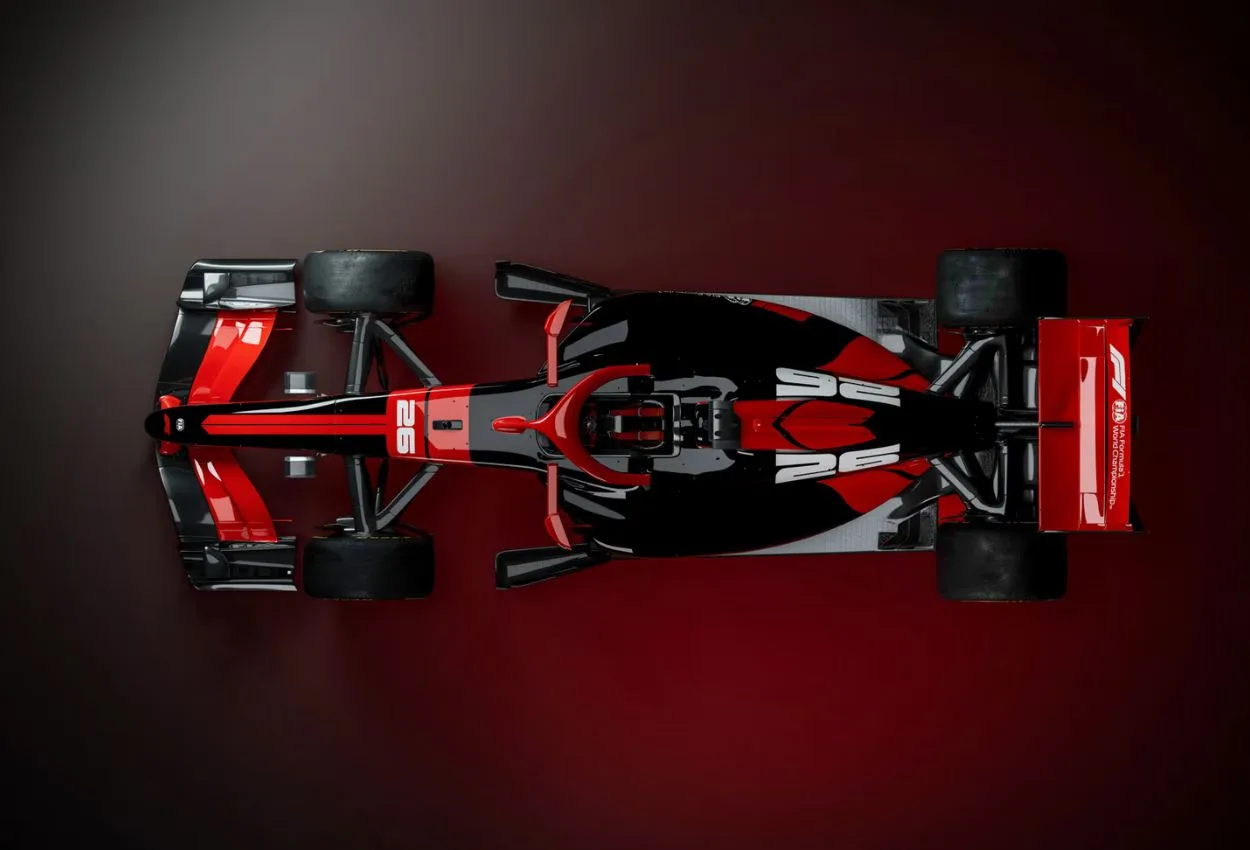
The cars will be shorter, narrower, lighter and nimbler from 2026. The wheelbase has been shortened, which should make the cars more responsive through corners.
The cars will still run on 18-inch Pirelli tyres but these will be narrower, cutting drag and trimming weight. The arches above the front tyres have been removed, keeping the cars cleaner and lighter.
Formula 1 2026: Active Aero, flatter floors and hybrid power unit changes announced
The regulations that lasted from 2022 to 2025 focused on floors underneath the car. From 2026, ground-effect tunnels will be replaced by flatter floors with extended diffusers featuring openings.
This will mean less downforce and a higher ride height requirement, leading to a variety of set-ups that suit a range of driving styles and levelling the playing field.
Both front and rear wings will be simpler from 2026, featuring fewer elements. The rear beam wings will be removed. The front wing will feature narrower elements, with the outer sections offering areas of development.
This will be a battleground for teams as the front wing influences the car’s aero performance.
F1 2026 rules announced: DRS replaced by Active Aero System
The introduction of Active Aero represents the change to the regulations. Cars can adjust the angle of both front and rear wing elements depending on their location on track.
In corners, the flaps stay shut in their default position to maintain grip. On straights, drivers can activate low-drag mode, which opens the flaps and flattens the wings, reducing drag and boosting top speed. This is available to every driver on every lap.
Active Aero means DRS in its form will be replaced, as rear wing flaps can be opened on every straight without the need to be within one second of the car in front.
Overtake Mode provides energy boost within one second
Being within one second of a rival brings benefits through Overtake Mode. The mode is triggered when drivers are within one second of the car in front, giving them access to energy which they can deploy to overtake or pressure the driver ahead at a detection point.
Drivers will still have a button to activate power from the engine and battery. This has been renamed the Boost button and drivers can use it in defence as well as overtaking at any point around the lap, providing they have enough charge in their battery. Drivers may use it at once or spread across the lap.
Drivers will oversee their battery recharge from 2026. Working with their race engineer, they can select from a range of modes to recharge their battery from braking and engine energy. This gives drivers three tools they can use when in battle.
Power unit shifts to 50-50 split between petrol and electric
The power units will remain a 1.6-litre V6 turbo hybrid, but the power balance has shifted. From 2026, the combustion engine output has been cut while the motor has tripled, creating a 50-50 power split between petrol and electric. This makes the power units more road relevant, attracting manufacturers Ferrari and Mercedes, Red Bull Power Trains in partnership with Ford, General Motors from 2029, Audi and Honda.
The car’s Energy Recovery System can now recharge the battery with twice as much energy per lap through recovery under braking or lifting off the throttle at the end of straights. The revamp means the end of the MGU-H, a heat recovery system which lacked road relevance and added weight.
F1 2026: Governing body FIA confirms technical regulations with safety enhancements
Formula 1 power units will run on Advanced Sustainable Fuels from 2026, which have been trialled in F2 and F3 in 2025. The fuel is made from sources like carbon capture, waste and non-food biomass and is certified to meet sustainability standards.
The drivers’ survival cell will be subjected to tests from 2026, while the roll hoop will be strengthened to take 23% more load, roughly the weight of nine cars. The front impact structure design has been tweaked so it separates in two stages to give drivers protection in crashes where there are impacts after the contact.
The FIA shaped the regulations in collaboration with the teams and Formula 1. The ruleset has attracted four manufacturers, bringing competition and innovation.
“Formula 1 cars will continue to be fast, to be cool, to be awe-inspiring to watch. But from 2026, they will be more challenging for the teams and the drivers. They’ll have to deal with new tech and tighter rules – while managing a greater set of tools to attack or defend that can make or break their ultimate performance and finishing position,” the Formula 1 statement reads.
“With less downforce and tighter control over turbulent air, following a car through a corner should be easier – while getting the best out of the car should be a greater challenger for the drivers. This is the future of Formula 1, powered by advanced sustainable fuel and smarter energy use. Bring. It. On,” the statement concluded.