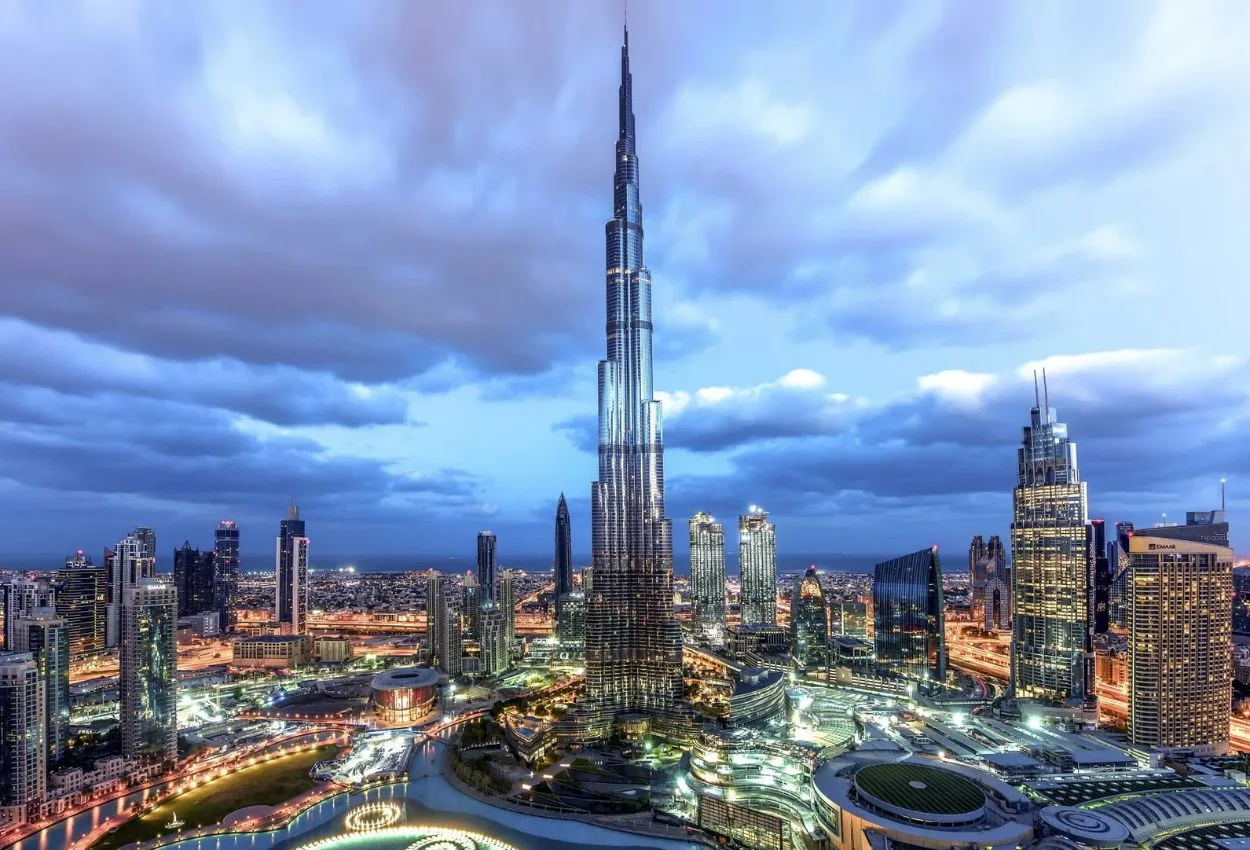
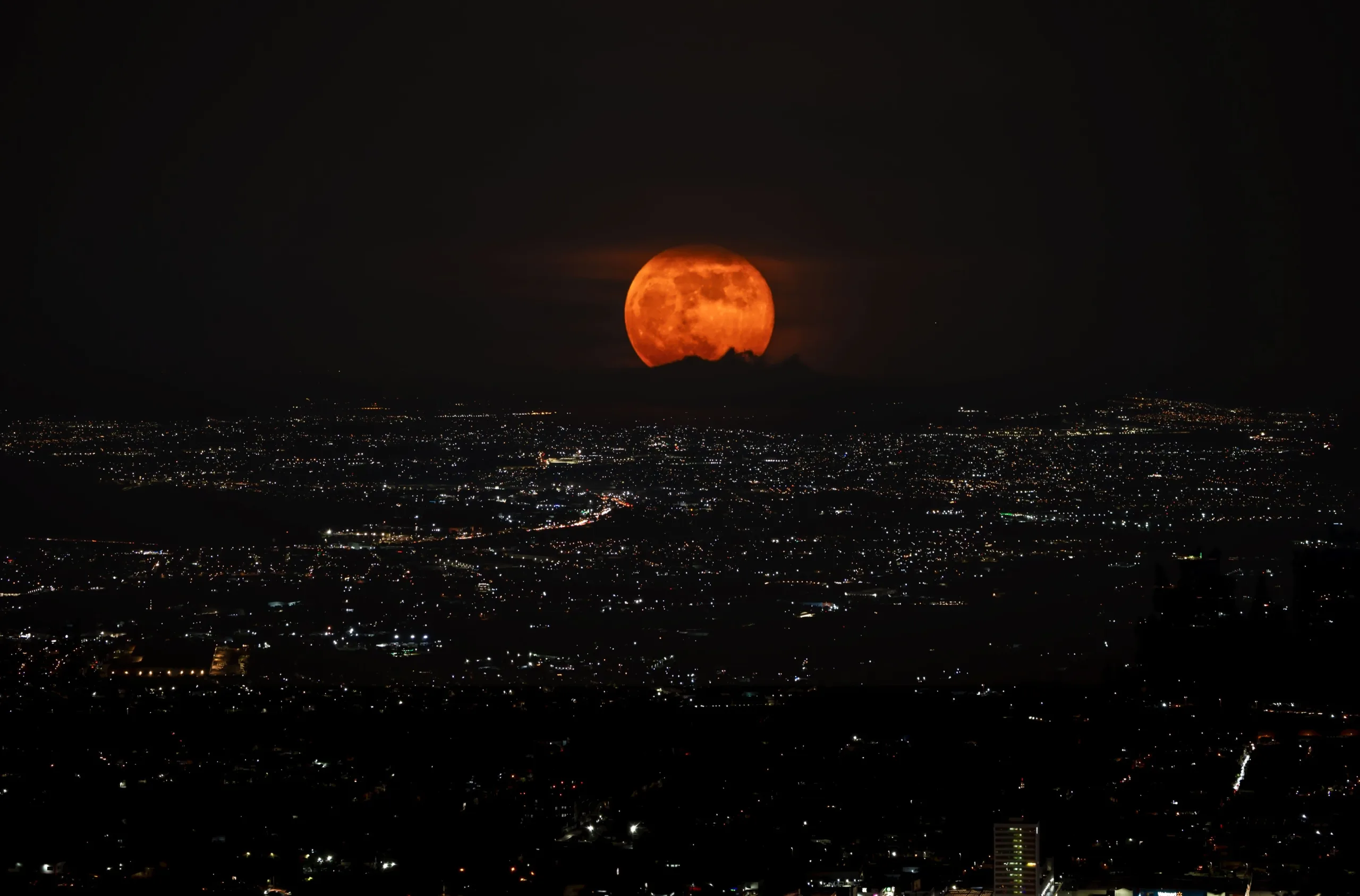
The largest and brightest supermoon of the year will be visible over the United Arab Emirates (UAE) on Tuesday, November 5.
Known as the Beaver Moon, it is expected to appear about 14 per cent larger and up to 30 per cent brighter than an average full moon as it reaches about 356,833 km from Earth, almost 28,000 km closer than the average distance.
When to see the supermoon in the UAE
The Beaver Moon rises on Tuesday evening and will be visible across the UAE through the night, weather permitting. The event is the second of three supermoons forecast in the country this year, following the Hunter’s Moon on October 1.
The final supermoon of 2025, the Cold Moon, is expected on December 4.7
Supermoon
AI Generated
A supermoon is a full moon or a new moon that nearly coincides with the closest approach that the Moon makes to Earth on its elliptical orbit, resulting in a slightly larger than usual appearance as viewed from Earth. While the term is not formally defined by astronomers, it generally refers to a full moon that appears particularly large and bright in the sky.
The Beaver Moon name has been used in North America and Europe. NASA attributes the term to seasonal activity, noting the association with beavers preparing for colder conditions and historical trapping practices.
“November is when beavers prepare for the winter by fortifying dams and stocking their food supply. “November was also the season to trap beavers for their thick, winter-ready pelts to use for warmer clothing.”
The Beaver Moon follows the Orionids meteor shower, which peaked on October 21 and 22. The year’s final major shower, the Geminids, is due to peak on December 13 and 14. The Geminids often produce high meteor counts, with observers in dark conditions typically seeing up to around 120 meteors an hour at peak.
The UAE regularly hosts public viewing sessions for major celestial events through local astronomy groups. Observers are advised to select open locations with clear views of the horizon and minimal light pollution for the best views of the supermoon.