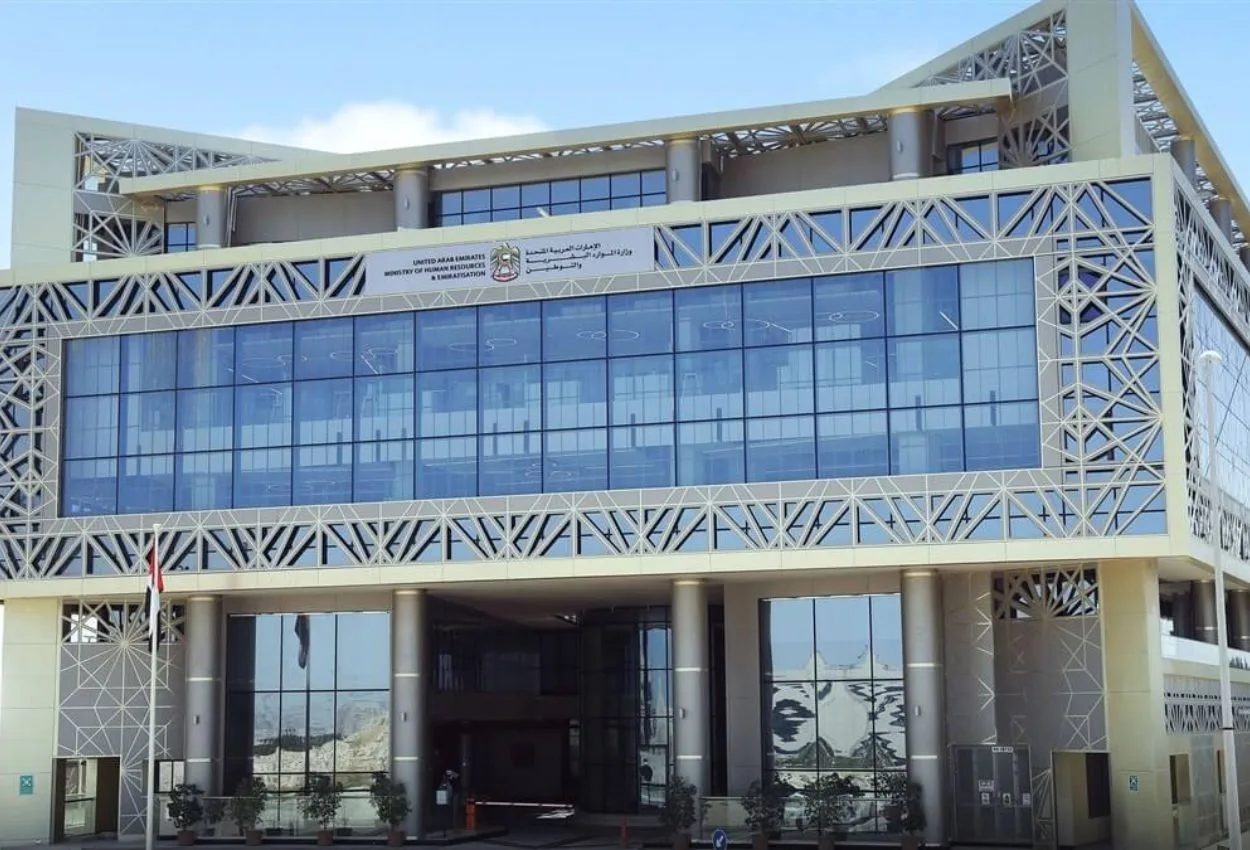
The UAE Ministry of Human Resources and Emiratisation (MoHRE) has announced an increase in the minimum wage for Emiratis employed in the private sector to AED6,000 per month, effective January 1, 2026.
The Ministry said establishments that employed Emiratis prior to the specified date can adjust salaries to meet the minimum wage by 30th June 2026.
In a press statement, the Ministry clarified that the minimum wage for Emiratis in the private sector applies to citizen work permits that are new, being renewed, or amended starting from January 1, 2026.
MoHRE announces AED6,000 minimum wage for Emiratis in private sector effective 2026
Khalil Ibrahim Al Khouri, Under-Secretary of Labour Market & Emiratisation Operations at MoHRE, said the increase “falls within the framework of the Emiratisation strategy, which adopts a phased approach to raising the minimum wage of citizens in the private sector.”
He explained that the strategy began with a minimum salary of AED4,000, followed by AED5,000, and now to AED6,000 per month, effective as of 2026.
He said the adjustment “is designed to reflect prevailing market wages based on the nature of the job, and to allow private sector establishments sufficient time to implement these staggered salary increases.”
Al Khouri called on establishments to amend the employment contracts of Emirati employees in line with the minimum salary before the deadline of June 30, 2026. He noted that the minimum salary for all Emiratis working in the private sector must be AED6,000 by that date.
UAE announces penalties for employers who fail to meet AED6,000 Emirati minimum wage
He added that measures would be implemented against establishments that do not comply starting July 1, 2026. These include disqualifying citizens whose salaries remain unadjusted from contributing to Emiratisation targets for establishments covered by policies, as well as suspending work permits for such establishments until salaries comply with the minimum wage.
Al Khouri lauded private sector establishments for their “unwavering commitment to Emiratisation targets and policies since their implementation,” noting that this dedication has been “significantly bolstered by the Nafis programme, and particularly its digital platform, which features a wide pool of qualified Emirati talent ready for available roles.”
He also highlighted the incentives and benefits offered by the Ministry to establishments fulfilling their Emiratisation objectives.