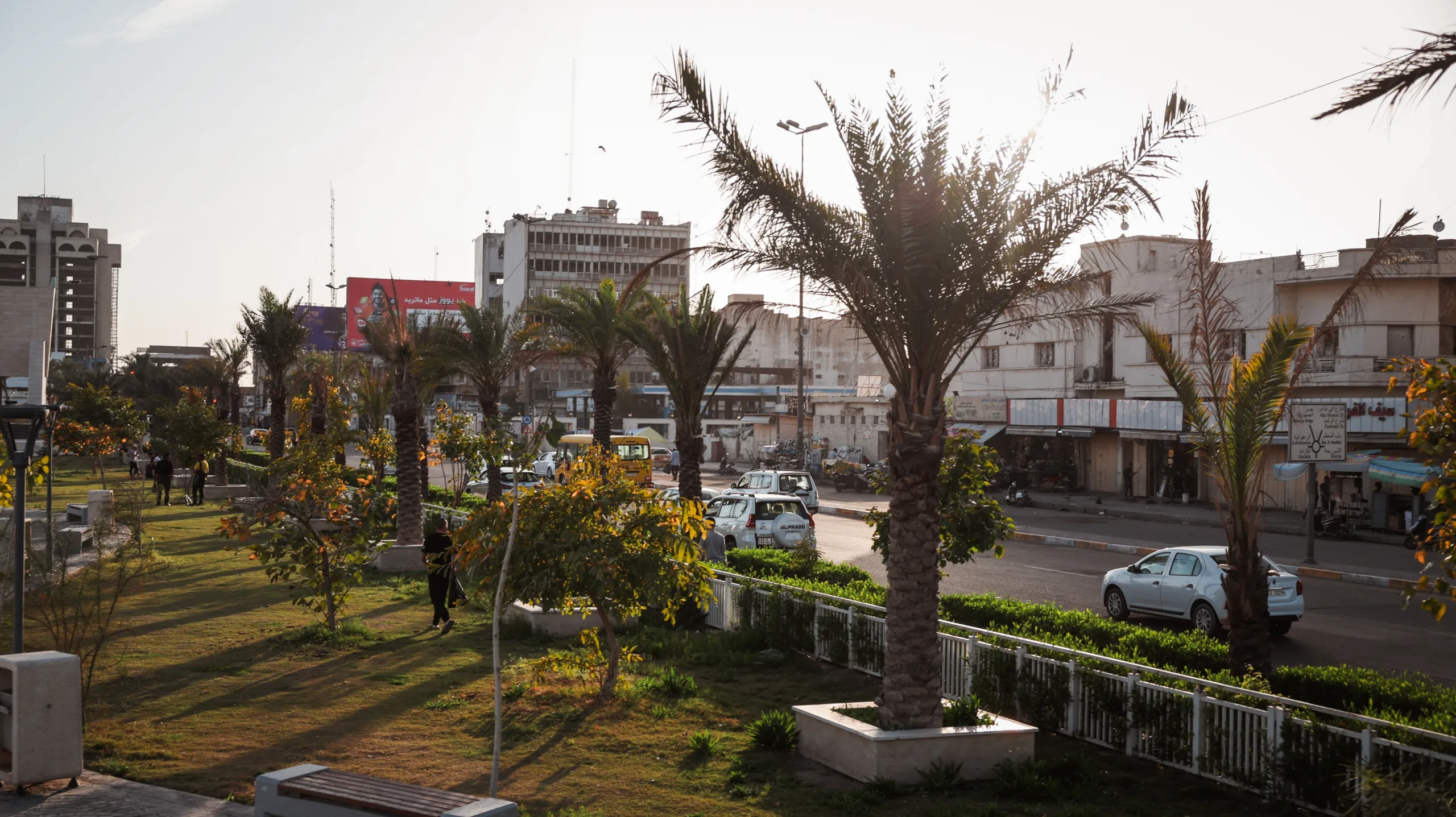
Baghdad, the bustling capital of Iraq, is a city where old traditions meet modern challenges. While it lacks a fully integrated metro or bus system, getting around is still manageable once you understand the local rhythm. Most movement relies on taxis, shared cars, minibuses, and a few train routes.
1. Overview
Public transport in Baghdad is developing but remains largely informal. Traffic congestion is heavy during peak hours, and schedules are rarely fixed. Be prepared to negotiate fares and ask locals for help identifying routes. A metro project is under construction, but as of now, taxis and shared vehicles are the main ways to move around the city.
2. Main Modes of Transport
Taxis
Description: Yellow taxis and private cars operate across the city. You can hail them on the street or find them near main roads and hotels.
Fares: Usually inexpensive; always agree on a price before the ride if the meter is not used.
Tips:
- Confirm the fare before departure.
- Use small bills for payment.
- Shared taxis are common — multiple passengers going in the same direction.
Shared Cars
Description: Known locally as “chargers” or large SUVs (like GMCs), these vehicles take several passengers on fixed routes between districts or cities.
Fares: Cheaper per person than a private taxi.
Pros: Cost-effective for medium or long distances.
Cons: You may wait until the car fills up; less privacy.
Minibuses and Vans
Description: Small vans or coasters follow specific routes, especially between popular neighborhoods.
Fares: Very cheap and paid directly to the driver or conductor.
Tips:
- Ask locals which route to take.
- Expect crowded conditions.
- Buses depart when full rather than on schedule.
City Buses
Description: A few public buses run in Baghdad, managed by the transport authority, but service is limited and inconsistent.
Fares: Low cost, usually paid at the kiosk or to the driver.
Pros: Cheapest option for city travel.
Cons: Unreliable schedule and older vehicles.
Trains
Description: Iraq Republic Railways operates long-distance and commuter routes.
- Commuter Line: Baghdad to Fallujah and Ramadi (morning and afternoon service).
- Long-Distance: Baghdad to Basra (overnight sleeper train).
Fares: Vary by class; from budget seating to sleeper cabins.
Tips: Buy tickets in advance at the station. Arrive early for boarding.
Intercity Buses
Description: Larger buses connect Baghdad to cities such as Najaf, Karbala, and Mosul.
Fares: Lower than train or taxi travel.
Tips: Departures often from major garages or stations. Schedules can change, so confirm the time before travel.
Walking and River Boats
Description: Short trips within central areas are possible on foot. Small boats occasionally cross the Tigris River.
Tips: River crossings are useful to avoid heavy traffic. Boats are basic and not always available after dark.
3. How to Use Baghdad Transport
A. Taxis
Hail a taxi from the street or near hotels. Confirm the destination and agree on a fare. Pay in cash with small notes.
B. Shared Cars
Go to the local stand where shared cars wait. Wait until enough passengers join. Pay your share when arriving or before departure.
C. Minibuses and Vans
Identify the correct route (ask a local if unsure). Pay the driver when boarding or alighting. Expect flexible stops and varying routes.
D. Trains
Buy tickets at the station before departure. For long routes like Baghdad–Basra, consider sleeper class. Keep your ID ready for inspection at checkpoints.
4. Safety and Practical Advice
- Check security updates before traveling between neighborhoods or cities.
- Avoid late-night travel unless with trusted locals.
- Carry identification — checkpoints are frequent.
- Use navigation apps to follow your route.
- Expect delays and plan extra time for each trip.
- Carry small cash — cards are rarely accepted for local transport.
- Ask for local advice — residents know which routes are safe and efficient.