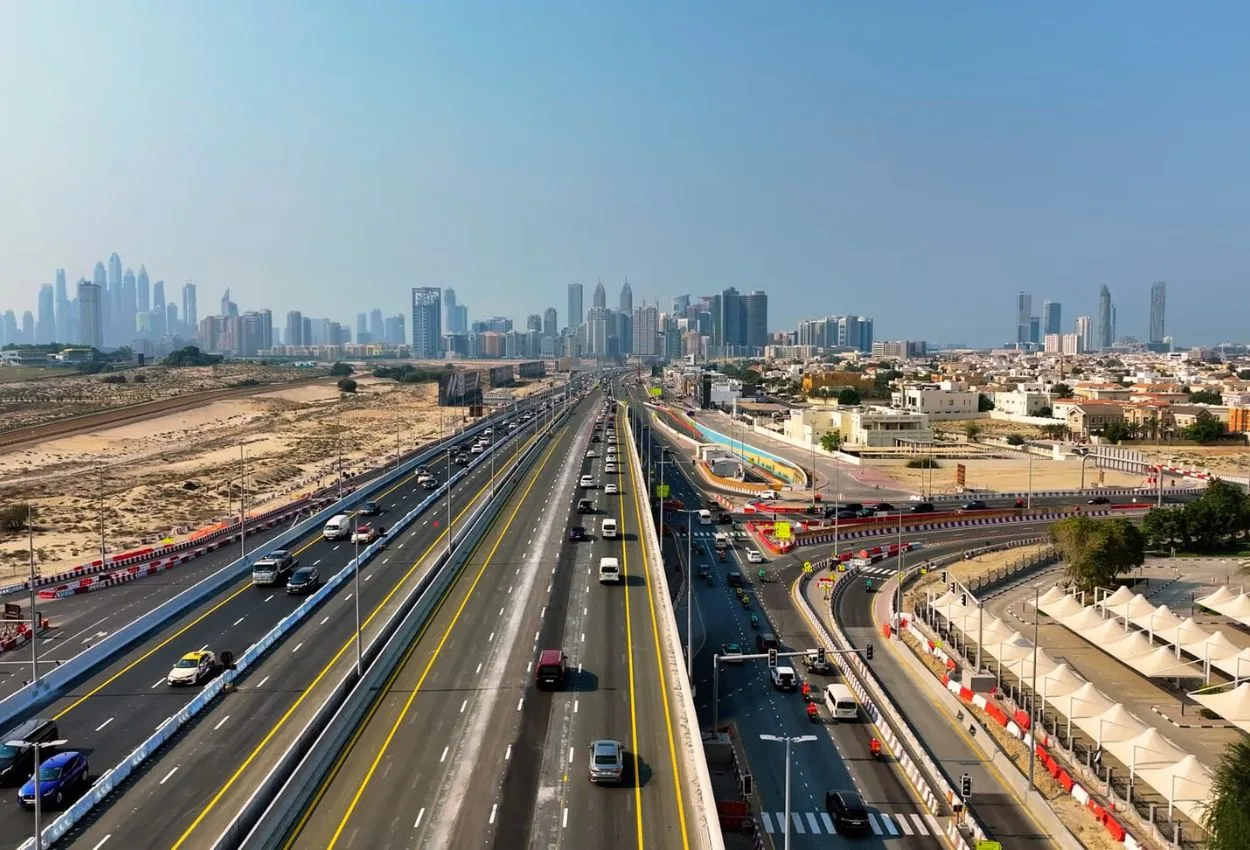
Dubai’s Roads and Transport Authority (RTA) opened Phase I of Hessa Street Development Project on Sunday, extending from Al Khail Road to Sheikh Zayed Road over a length of 4.5 km.
The works included the widening of Hessa Street, along with bridges at intersections with Al Asayel Street, First Al Khail Street, and Sheikh Zayed Road, expanding capacity to four lanes in each direction.
The opening enhances traffic flow for vehicles travelling from Al Khail Road towards Hessa Street and onwards to Sheikh Zayed Road by the RTA.
Dubai Hessa Street capacity doubles to 16,000 vehicles per hour with new project
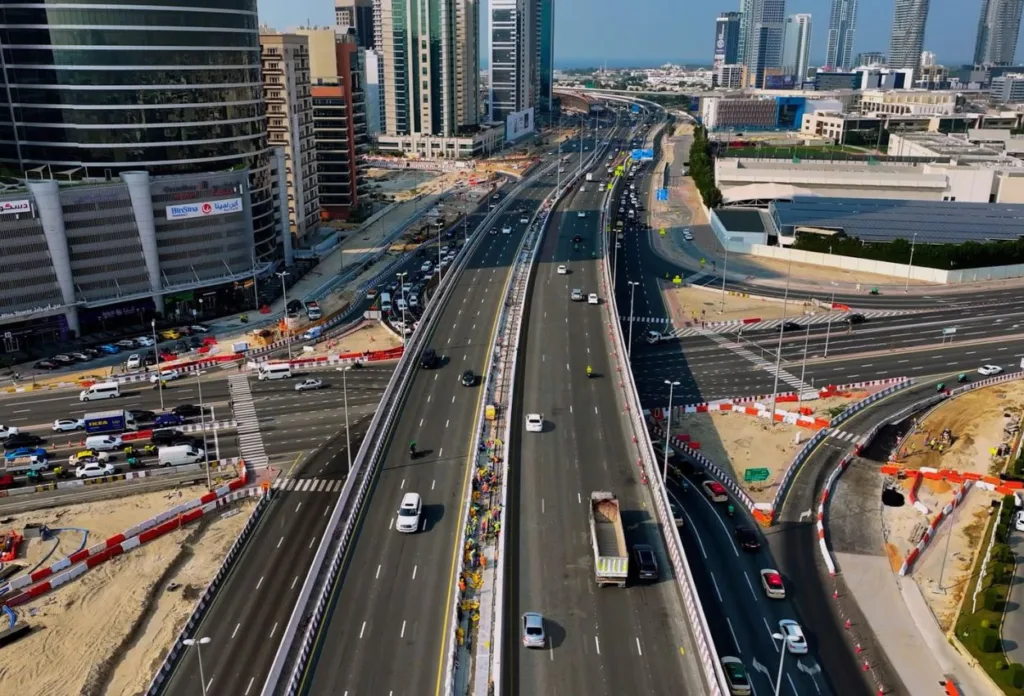
Overall project completion has reached 90 per cent, with the remaining works including road works, bridges, intersection improvements, and cycling tracks scheduled for completion in the second quarter of this year.
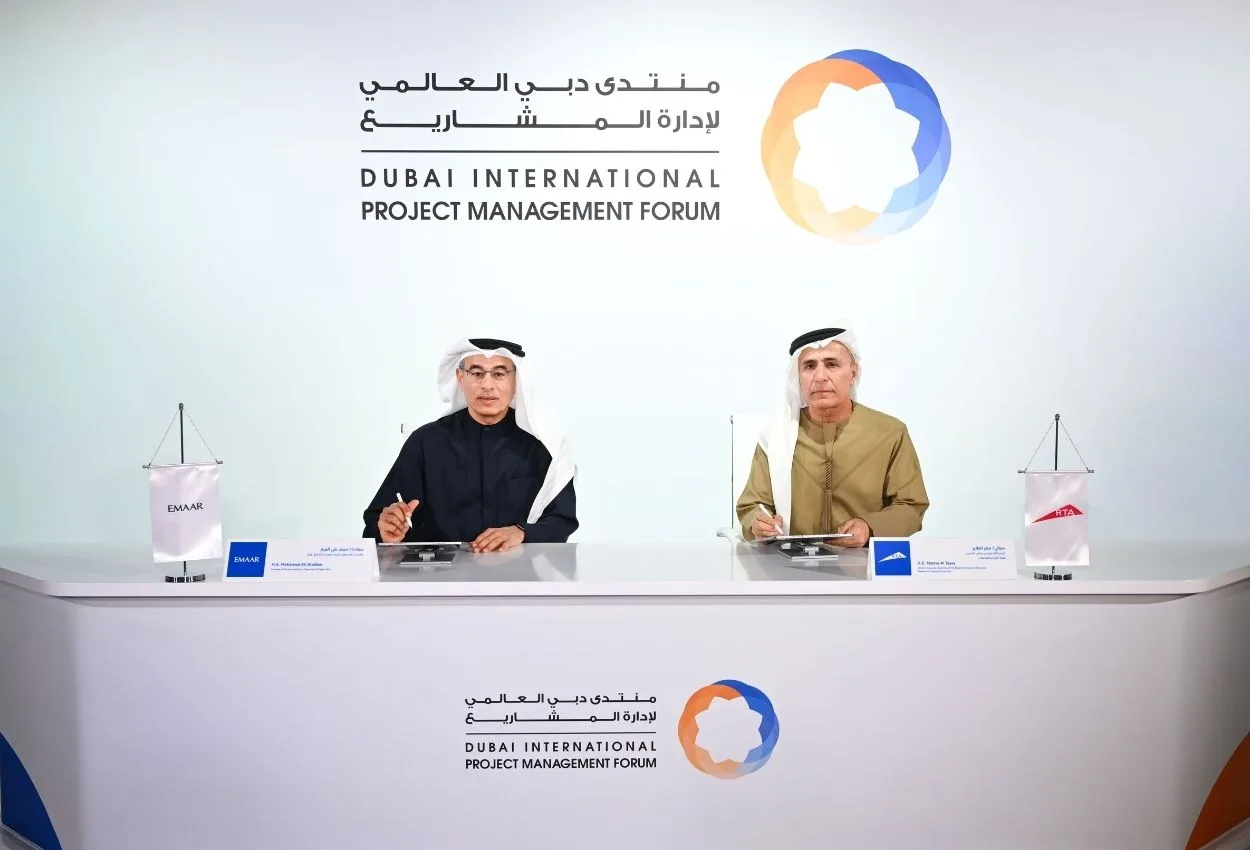
Mattar Al Tayer, Director General, Chairman of the Board of Executive Directors of Dubai’s Roads and Transport Authority (RTA), stated that Hessa Street Development Project, with a cost of approximately AED 690 million, is being implemented in line with the directives of the wise leadership to continue developing the road infrastructure network, keep pace with Dubai’s sustained growth, and meet the requirements of urban expansion and population growth.
“It constitutes a major road infrastructure development project serving several residential and development areas, including Al Sufouh 2, Al Barsha residential area, and Jumeirah Village Circle. The population of the areas served by the project is expected to exceed 640,000 residents by 2030. The project will double traffic capacity on Hessa Street, increasing capacity from 8,000 vehicles per hour in both directions to 16,000 vehicles per hour,” Al Tayer said in a statement.
“Hessa Street Development Project extends from the intersection with Sheikh Zayed Road to the intersection with Al Khail Road over a length of 4.5 km. The project includes the development of four major intersections along Hessa Street with Sheikh Zayed Road, First Al Khail Street, Al Asayel Street, and Al Khail Road, in addition to widening Hessa Street from two to four lanes in each direction. These works will double traffic capacity on Hessa Street, raising it to 8,000 vehicles per hour, and include the construction of a 13.5 km cycling track,” he added.
“The project includes developing dedicated cycling and e-scooter tracks extending 13.5 km, 4.5 metres wide. The track links Al Sufouh and Dubai Hills via Hessa Street and serves several residential neighbourhoods, including Al Barsha and Barsha Heights. The development supports first- and last-mile journeys through direct connectivity with Dubai Internet City Metro Station and key commercial and service destinations across the area. The cycling track features a dedicated bridge crossing Sheikh Zayed Road and Al Khail Road, 5 metres wide (3 metres for cycling and e-scooters and 2 metres for pedestrians), and incorporates a unique architectural design inspired by the surrounding environment,” Al Tayer further explained.
Dubai Hessa Street Phase I opens: Al Barsha, Jumeirah Village Circle connectivity improved
The RTA project includes the development of four intersections. The first is Hessa Street intersection with Sheikh Zayed Road, where a directional ramp bridge will be constructed with a capacity of two lanes, passing over Dubai Metro’s Red Line and serving right-turning traffic from Sheikh Zayed Road onto Hessa Street eastbound towards Emirates Road.
The second includes developing Hessa Street intersection with First Al Khail Street, by increasing the number of lanes on Hessa Street bridge from three to four lanes in each direction, in addition to traffic-flow improvements at the signal-controlled surface intersection.
The project also includes developing Hessa Street intersection with Al Asayel Street, involving an increase in the number of lanes on the existing bridge from two lanes in each direction to four lanes in each direction along Hessa Street, in addition to traffic-flow improvements at the signal-controlled at-grade intersection.
The fourth intersection, which was inaugurated at the end of 2024, involved the development of the intersection of Hessa Street with Al Khail Road, where a direct directional ramp comprising two lanes was constructed to serve traffic moving from Hessa Street onto Al Khail Road northbound towards Sharjah.