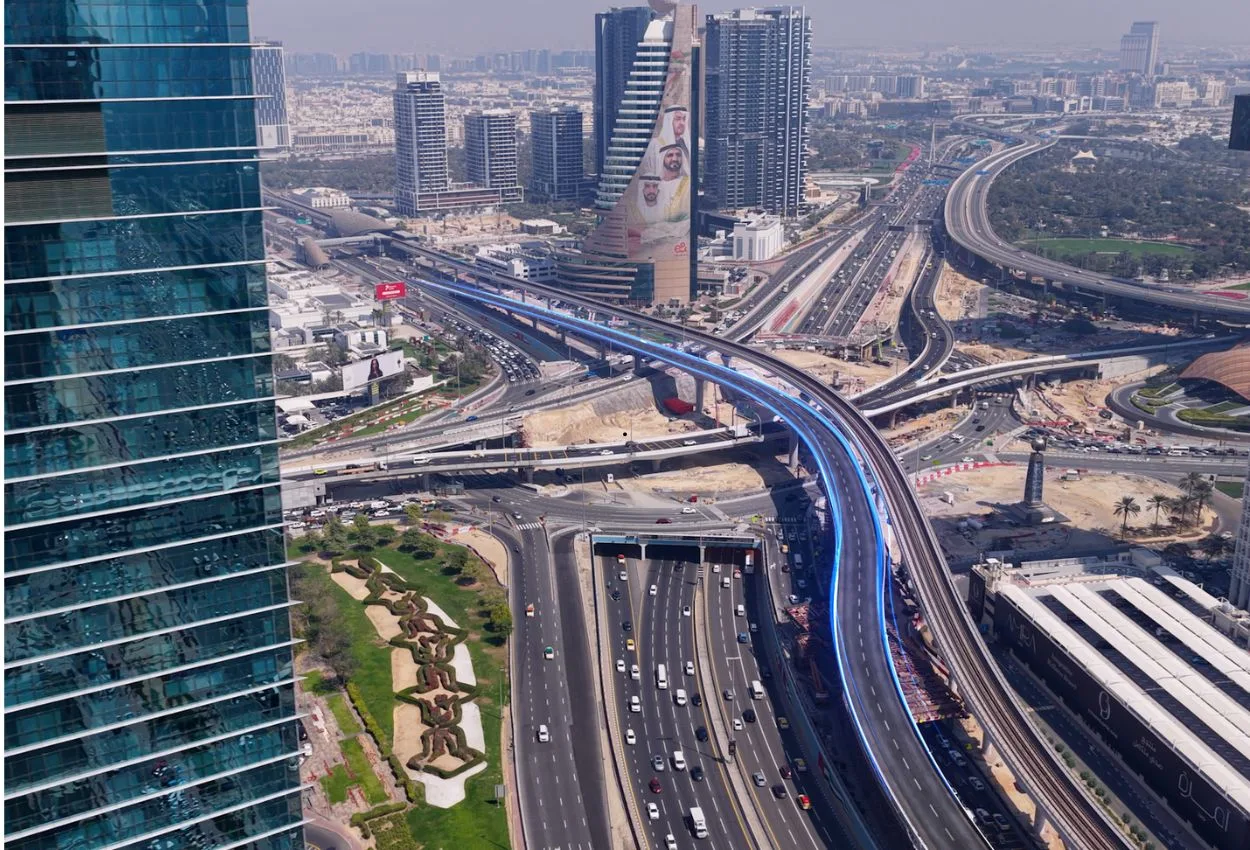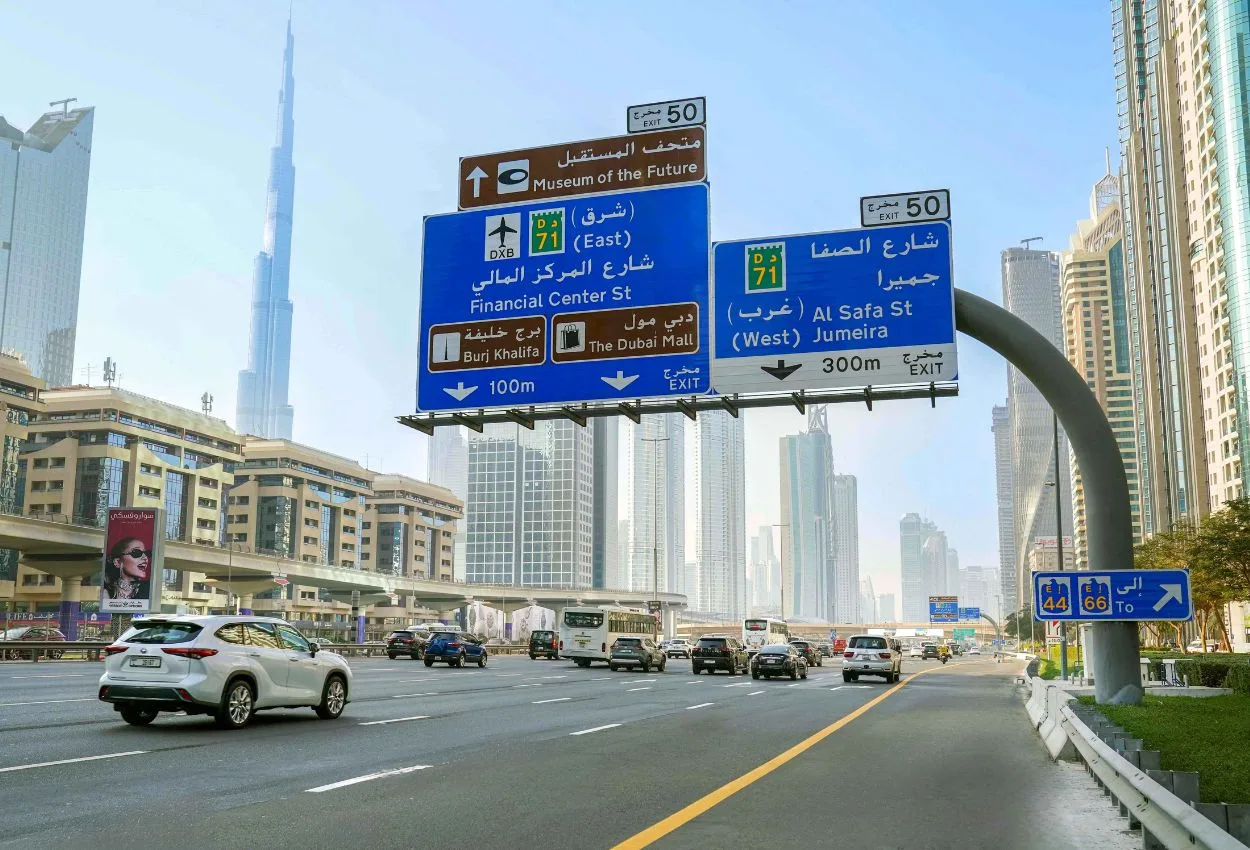
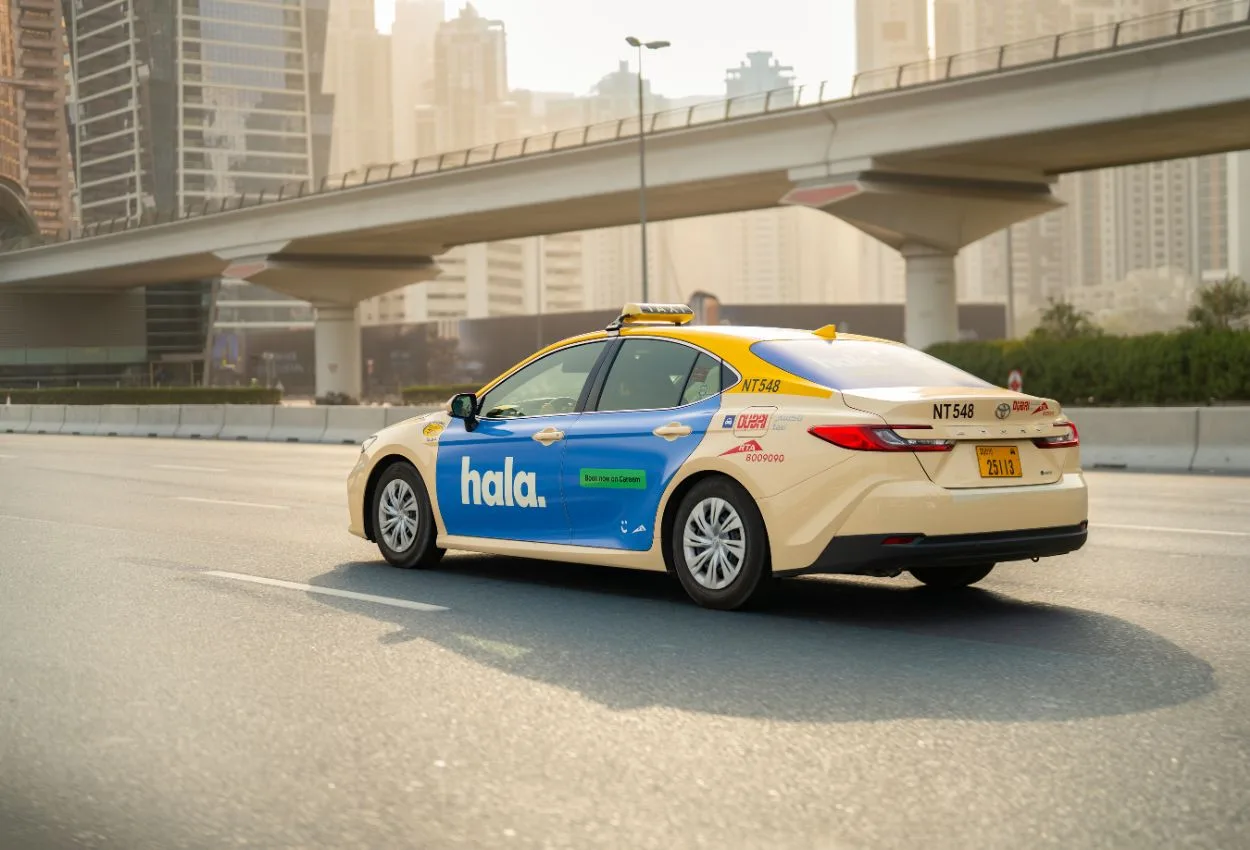
Flying taxis are expected to begin operating in Dubai within the next few years, but ground transport will continue to account for the majority of daily movement across the city, Khaled Nuseibeh, chief executive officer of Hala, told Lana in an exclusive interview.
“Dubai has always taken a forward-looking approach to transport and flying taxis are a natural extension of that ambition,” Nuseibeh said. “We’ll likely see initial deployments within the next couple of years.”
However, with the introduction of aerial transport, existing systems could not be replaced, he added. “These technologies will complement existing infrastructure rather than replace it. Ground transport will remain the backbone of daily mobility, connecting people across thousands of journeys happening simultaneously throughout the city.”
Will Hala introduce driverless vehicles in Dubai?
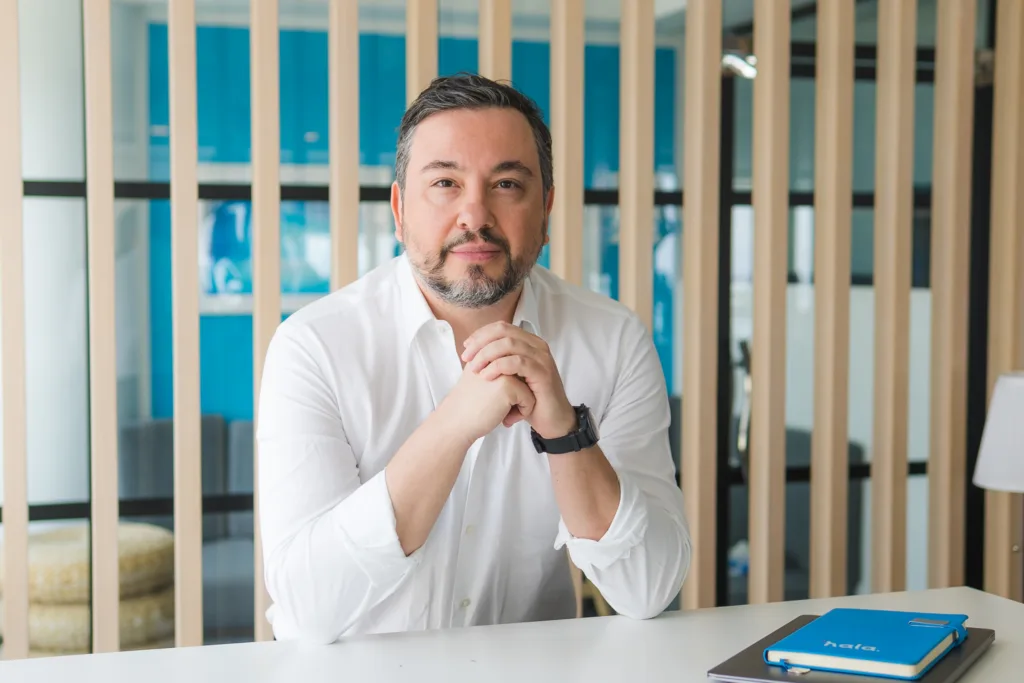
That focus on everyday journeys underpins Hala’s role within Dubai’s transport system, Nuseibeh said.
Hala operates over 13,000 taxis and works with over 24,000 captains, managing demand through a partnership between Careem’s technology platform and the Roads and Transport Authority (RTA).
“Our role is to remain closely aligned with how mobility evolves, ensuring we continue supporting the everyday movement that keeps cities functioning,” he said.
In addition, while autonomous vehicles form part of Dubai’s long-term transport plans, Hala’s Nuseibeh said adoption would depend on regulation and public confidence.
“Autonomous vehicles will play an important role in the future of urban mobility, particularly in a city like Dubai that is leading the way in adopting new transport technologies. The transition will be gradual, and what matters most is that it happens safely, responsibly, and in a way that earns public trust,” he said, adding that any deployment would follow existing regulatory frameworks.
However, the company is committed to supporting captains during the evolution. “At the same time, supporting captains through that evolution remains essential for us. Mobility will continue to combine technology, human expertise, and operational discipline, and adapting thoughtfully will ensure the system remains resilient and trusted,” he said.
Hala launched as a joint venture between Careem and the RTA with a mandate to integrate app-based booking into Dubai’s taxi system.
According to Nuseibeh, the guiding principle from the outset has been customer focus rather than feature expansion.
“For Hala, it’s not what we would have done differently, but that we would stay relentlessly focused on the customer. Early on, it’s easy to prioritise features, but long-term success comes from getting the fundamentals right, having taxis where people need them, ensuring predictable arrival times, and resolving issues quickly when they arise,” he said.
Hala, which has operated Dubai’s taxi fleet for six years, has now expanded into Ras Al Khaimah and Fujairah – a scale, which Nuseibeh said has allowed the company to understand how travel patterns change.
“[This expansion] has given us a clear understanding of how demand evolves and what people expect from a service they rely on every day. We’ve seen that trust is built through consistency, especially during peak periods when reliability matters most,” he explained.
Competition is ‘welcome’, says Hala boss
Today, however, Dubai’s transport market includes several ride-hailing platforms. So, how does Hala remain popular?
“Hala was built on a unique foundation, combining Careem’s technology platform with the RTA’s deep expertise in operating one of the world’s most advanced taxi networks. That integration allows us to connect digital convenience with a regulated, city-wide fleet designed to serve Dubai at scale,” he said.
Competition, he added, “is a natural part of a growing mobility ecosystem, and we welcome it. As a homegrown service, Hala helped establish the blueprint for app-based taxi integration with regulated fleets, and we’ve built a model that is adaptable and consistent,” he said.
In addition, Hala measures its performance through reliability metrics. According to Nuseibeh, the company’s monthly reliability score exceeds 80 per cent.
“Our benchmark is simple,” he said. “When you book a Hala taxi, it should arrive within three minutes. That’s not a slogan; it’s a standard we work towards daily by positioning cars where demand is highest, especially during peak hours and when the city is at its busiest.”
This approach becomes critical during periods when demand surges across multiple areas at once. While the customer experience is designed to feel straightforward, Nuseibeh said the operational reality is complex.
“Managing a network of more than 13,000 taxis and 24,000 captains requires continuous coordination to ensure balanced coverage across residential areas, business districts and major events,” he said.
“It involves close collaboration with the RTA, franchise partners and ongoing investment in training and systems,” he added.
In 2025 alone, Hala trained more than 6,300 captains. The training is intended to maintain service standards as Dubai expands.
“It’s a constant process of alignment,” he said, “ensuring the network evolves in step with Dubai itself.”
So, are international visitors opting for Hala services in the UAE?
Residents account for most daily trips, but international visitors form a significant share of demand during tourism peaks, Nuseibeh revealed.
“Dubai welcomed nearly 20 million international overnight visitors in 2025, marking a 5% increase from 2024, and many of them naturally choose the city’s taxi services for their commutes. We see clear spikes from tourist usage around New Year’s Eve, large festivals, exhibitions and during school holiday seasons,” he explained, adding that areas including Downtown Dubai, JBR, the Marina and Global Village experience increased movement during these periods.
Visitors also use taxis for shorter journeys linked to public transport. “This pattern is consistent with how Hala supports city-wide mobility during high-traffic periods,” he said, adding that as Dubai grows, Hala’s focus is on adapting systems rather than changing its core model.
“Our focus is on using data and technology to better anticipate demand, position our fleet more intelligently, and make the overall journey more seamless — from booking to drop-off,” he said.
“We’re increasingly leveraging AI and real-time insights to improve visibility, reduce uncertainty during busy periods, and provide customers with clearer, more predictable experiences. These investments allow us to refine how the network operates while maintaining the consistency people rely on,” he added, further explaining that these changes are intended to improve operations without altering the regulated framework.
What’s next for Hala? CEO Khaled Nuseibeh reveals plans
Hala’s launch coincided with the period before COVID-19 restrictions were introduced. Nuseibeh said the timing shaped how the company approached decision-making.
“Launching just before COVID-19 was one of the most defining moments for the business. Before we could fully begin operations, the city entered lockdown, and we had to navigate unprecedented uncertainty. That period reinforced the importance of resilience, adaptability, and long-term thinking,” he said.
Despite disruption, the company stayed focused on its core principles. “If I were building Hala today, I would still start with the same foundation,” he said. That foundation includes partnership with the RTA and Careem, fleet discipline and customer focus.
When asked about the next phase of growth, Nuseibeh said Hala does not focus on single initiatives. “Our focus is to keep raising the standard of reliability, safety, and value,” he said.
Improvements include reducing wait times, strengthening coverage and refining the booking experience. “The goal is to make every journey more seamless.”
As for pet-friendly taxis, Nuseibeh said any change would depend on regulation.
“Taxi services operate within clearly defined hygiene, safety and regulatory standards, and we follow the RTA’s guidance closely. Any new category would need a structured framework to ensure comfort and safety for everyone,” he concluded.