
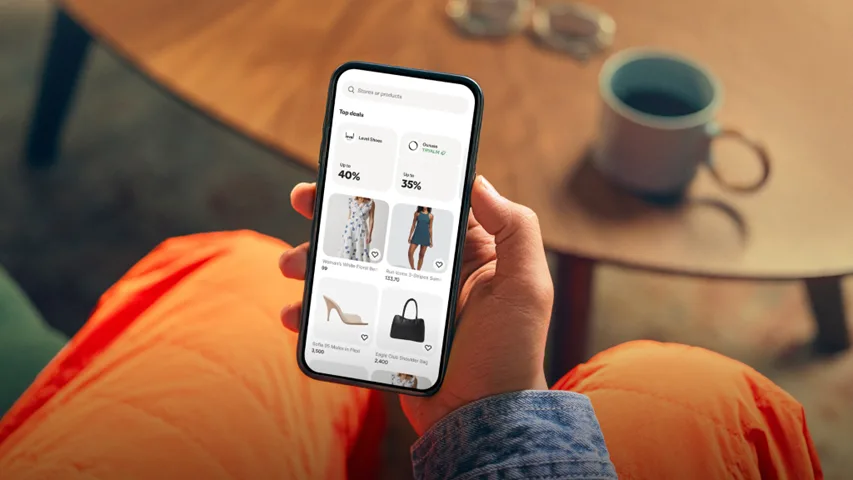
Nearly half of shoppers across Saudi Arabia and the UAE are using artificial intelligence to inform their purchase decisions, according to research from financial services app Tabby. However, only 30 per cent say they fully trust its recommendations – a gap that the company says represents the next frontier of competition in retail.
The findings come from Tabby’s third annual Ultimate Middle East Shopping Survey, which draws on responses from more than 20,000 shoppers across both countries.
“We wish we were sharing this at an easier moment for the region. Many of the businesses we work with are navigating a difficult period right now, trying to plan with limited visibility. If this research helps even some of them make better decisions in the months ahead, it feels worth sharing,” Hosam Arab, CEO and Co-founder of Tabby said in a statement.
Tabby finds 77% of shoppers discover products online before entering physical stores
Forty-three per cent of shoppers across Saudi Arabia and the UAE now use AI as part of their shopping experience. Adoption is highest among those aged 18 to 29, with 51.8 per cent in that age group having used AI while shopping.
Trust, however, is conditional. Only 30 per cent of shoppers say they fully trust AI recommendations, while 43 per cent say they might. Shoppers are most receptive to AI when it helps them compare options and move through decisions at speed. They become more resistant when recommendations appear without explanation or when the reasoning behind them is not visible.
Despite the reservations, the majority of shoppers have not dismissed AI outright. As Tabby frames it, that middle ground – shoppers who remain open to being persuaded – is where competition in the retail sector will be determined.
The survey points to a shift in how products are discovered and purchases are made across the region. Seventy-seven per cent of product discovery now takes place through digital channels, even when the transaction itself happens in a physical store. Social media has become the channel through which shoppers most commonly find products, followed by browsing stores online.
By the time 68 per cent of shoppers walk into a physical store, they have already decided what they intend to buy. For retailers, this means the in-store experience is no longer the starting point of the purchase journey.
Flexible payment options shift from perk to purchase requirement
Payment choice has moved from a feature to a requirement. Seventy per cent of shoppers said they would avoid retailers that do not offer flexible payment options, and one in five actively walk away from stores that do not provide them. The data shows this behaviour is consistent across all income levels, from low to those with income classified as super-high.
The survey, now in its third year, presents a picture of a market in transition. AI is becoming a tool shoppers reach for, particularly among those in the younger age brackets. Digital channels have restructured the path to purchase. And payment flexibility has shifted from a differentiator to a condition of entry.
For retailers operating across Saudi Arabia and the UAE, the data suggests the decisions that shape whether a shopper buys — and where – are increasingly being made before they arrive.