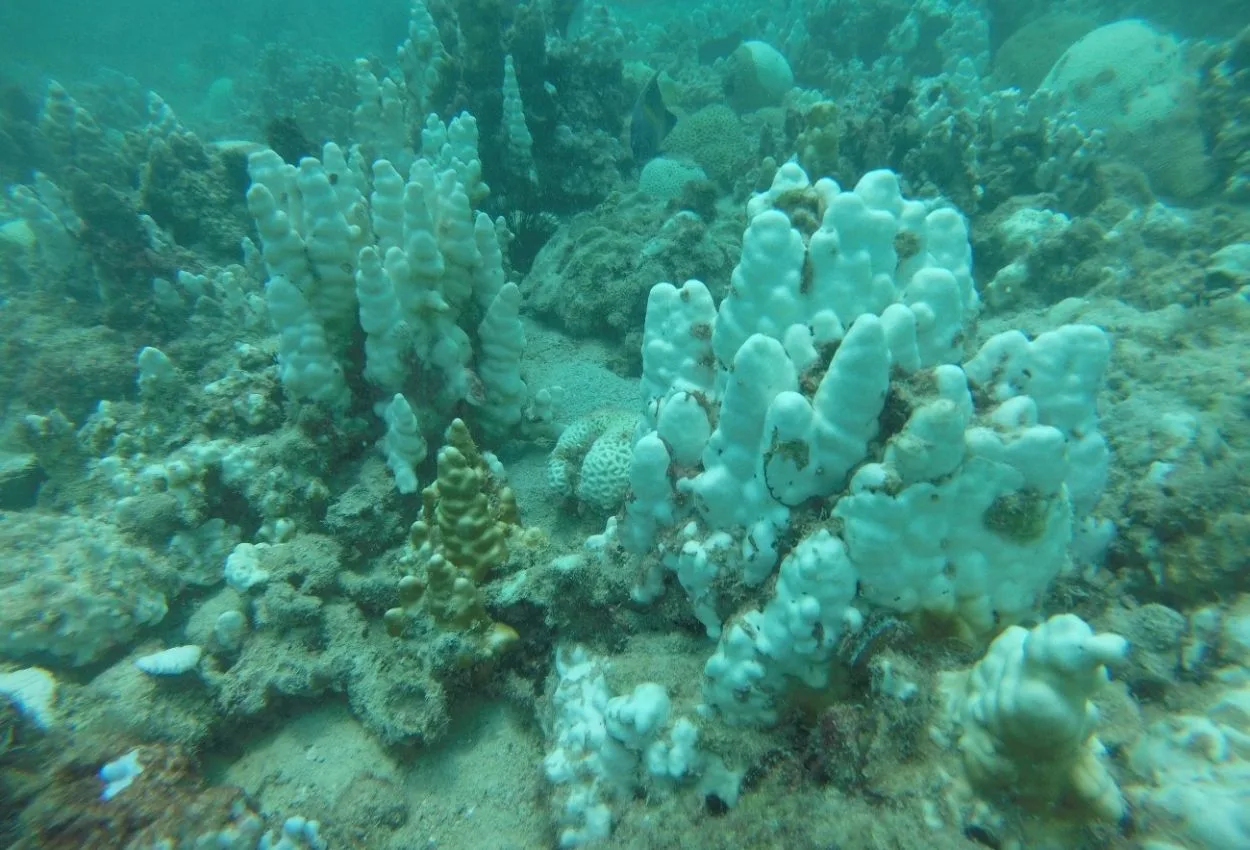
Scientists at NYU Abu Dhabi (NYUAD) have identified the factors that cause some summers in the Arabian Gulf to become hot enough to trigger marine heatwaves that threaten coral reefs, fisheries, and coastal ecosystems.
The research, conducted by the Mubadala ACCESS Center at NYU Abu Dhabi, could enable scientists and authorities to predict conditions two to three months in advance, providing time to prepare and protect marine life.
The Arabian Gulf records the highest summer sea temperatures on Earth. Marine species in the region have adapted to high temperatures, but years with temperatures above normal can trigger mass coral bleaching and disrupt ecosystems. The reasons for these temperature events had not been understood until now.
NYU Abu Dhabi study reveals why some gulf summers become hot enough to trigger marine heatwaves
The research team combined observations with ocean model simulations and found that Gulf marine heatwaves occur when two wind patterns shift: the northwesterly Shamal winds weaken and the summer Indian monsoon winds intensify. This combination increases moisture in the atmosphere, trapping heat at the sea surface.
These conditions are most likely during La Niña events, when cold waters appear in the tropical Pacific, and when the North Atlantic Oscillation enters a phase that alters storm patterns over the Atlantic. When both patterns align, the Gulf experiences its highest water temperatures.
“The study reveals something surprising. Unlike other oceans, where marine heatwaves are often caused by clear skies and intense sunshine, the Gulf’s extreme sea temperatures happen under humid, hazy conditions. And while El Niño usually drives heatwaves elsewhere, here it is La Niña that favors them,” NYU Abu Dhabi Senior Scientist and lead author of the study Zouhair Lachkar said.
Gulf coral reefs could be protected with marine heatwave predictions, study suggests
“Our findings have important implications for predicting extreme heat events weeks to months before they occur. This gives marine managers and decision makers advance notice to monitor and protect vulnerable ecosystems such as coral reefs. This aligns with our goal at Mubadala ACCESS of producing regionally relevant research that has global impact,” Co-director of the Mubadala ACCESS Center and senior author of the study John Burt added.
The study highlights the potential for systems that provide warnings for marine heatwaves in the Arabian Gulf, helping safeguard biodiversity, fisheries, and coastal communities as climate change intensifies weather patterns.
Times Higher Education ranks NYU among the world’s top 31 universities, making NYU Abu Dhabi the university with the highest ranking in the UAE.
The University’s research enterprise includes more than 90 faculty labs and projects that have produced more than 9,500 publications. According to the Nature Index, NYUAD ranks number one in the UAE for publications in science journals.