
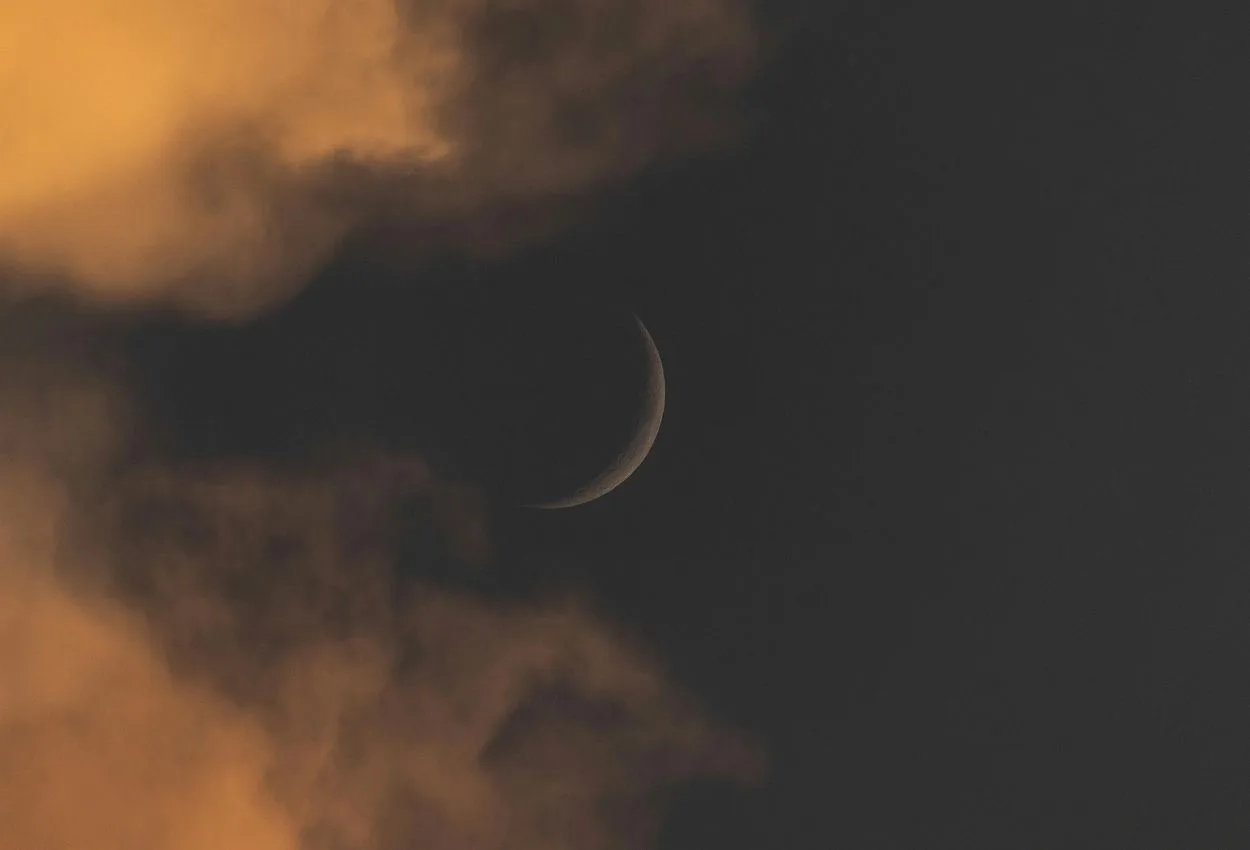
Ramadan is expected to begin next month in the UAE, according to media reports citing the Emirates Astronomy Society.
Ibrahim Al Jarwan, chairman of the board of directors of the Emirates Astronomy Society, reportedly said that the Holy Month is expected to begin on February 18.
The Islamic calendar operates on lunar cycles, making the Islamic year between 10 and 12 days shorter than the Gregorian calendar. This results in Muslim holidays and observations occurring earlier each year.
Eid Al Fitr expected on March 20, says Emirates Astronomy Society chairman
Al Jarwan has forecast that Eid Al Fitr will begin on March 20, 2026. Eid Al Adha is expected to start on May 27.
The Islamic New Year, known as Hijri, is projected to fall around June 17. This date will mark the beginning of the year 1448 in the Islamic calendar.
With the expected dates, residents in the UAE could secure up to 41 days off in 2026 by using approximately 14 days of annual leave, according to planning calculations.
How UAE residents can turn 14 days leave into 41 days off in 2026
Six strategic leave periods have been identified throughout the year that would allow residents to extend their time away from work.
These calculations assume that annual leave is based on working days rather than calendar days. Under the working-days system, taking Friday and Monday off with a standard two-day weekend would count as two days of leave. Employers using calendar-day calculations may count the same period as four days.
Employment contracts typically specify which calculation method applies.
The UAE’s Moon-sighting committee will, however, confirm all public holiday dates.
Projections indicate that Ramadan in 2027 will likely begin around Saturday, February 6. Eid Al Fitr is expected to fall around Monday, March 8.
The pattern of Ramadan occurring in the first two months of the Gregorian calendar is expected to persist until the early 2030s. After this period, the cycle will shift back toward the end of the year.