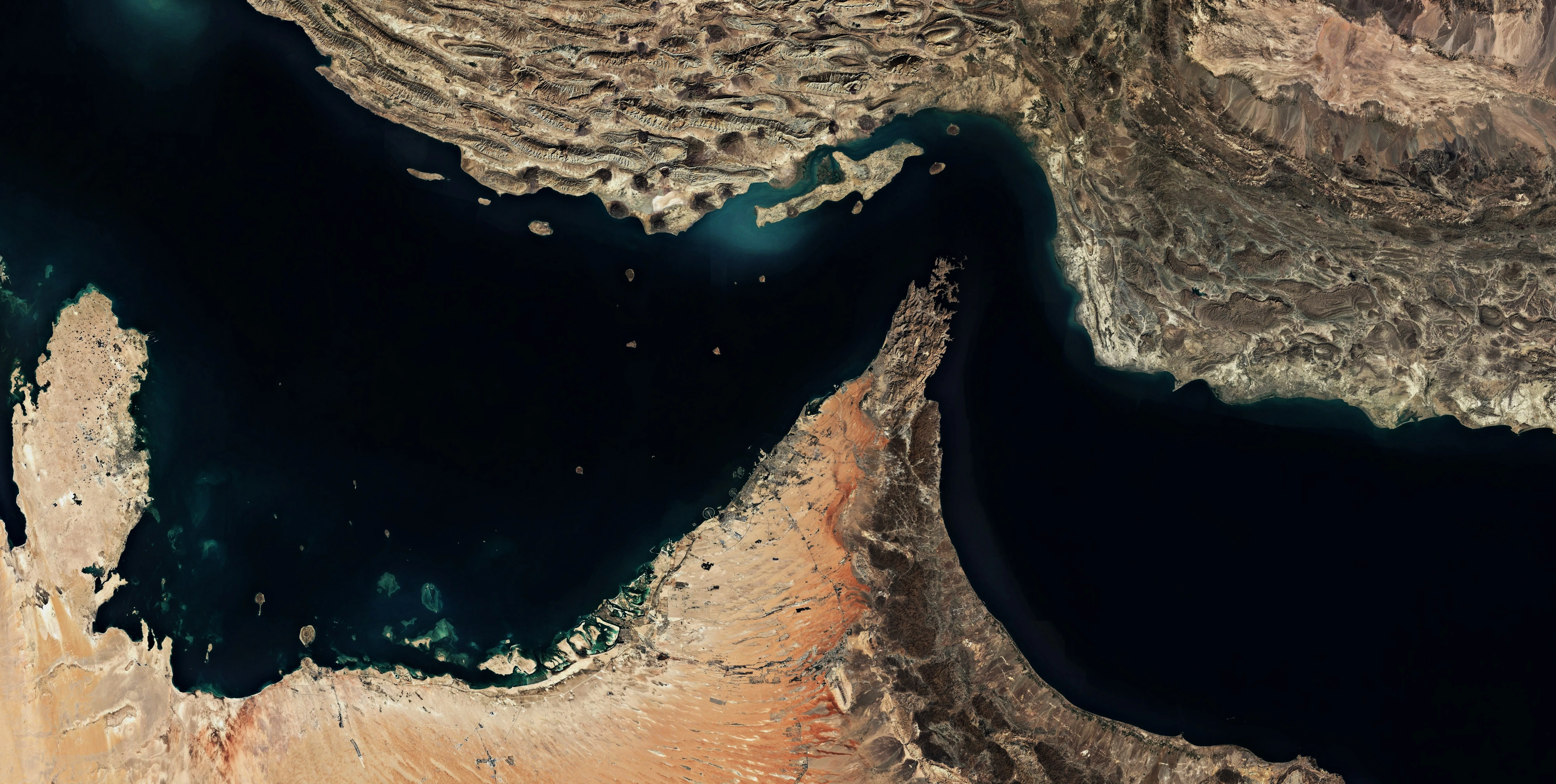
Iran said it has reached a preliminary agreement with Oman on a shipping route through the Strait of Hormuz, raising the prospect of some energy flows resuming through the waterway – though Iranian officials were quick to qualify what any deal would actually mean in practice, according to Bloomberg.
Iranian Foreign Ministry spokesman Esmail Baghaei told reporters on Wednesday that a joint statement with Muscat is under review and in the final drafting stage. Negotiations are “forward-moving,” he said, though he warned a deal could fall through “if certain third parties do not obstruct this process.”
He made no mention of a formal US role in the discussions, attributing the strait’s closure to attacks by the US and Israel. The White House did not respond to a request for comment.
Iranian Deputy Foreign Minister Kazem Gharibabadi offered more detail, telling state-run IRNA that the two countries are negotiating a “temporary route” that would remain active for two to four months, with a substantial share of traffic routed through Iran’s territorial waters.
“This understanding does not mean the full reopening of the Strait of Hormuz,” he said. Iranian state television cited a separate source as saying that even a Tehran-Muscat agreement would not automatically reopen the strait — that would depend “on a change in US behavior.”
President Donald Trump said late Tuesday that a deal on Hormuz is imminent, adding that talks with Iran are “moving along very nicely” and that clarity would come within 48 hours. Trump has made similar claims previously without a lasting agreement materialising. In a Fox
News interview recorded the same day, he repeated a threat that if Iran doesn’t “make a deal, it’s going to be too bad.” Over the weekend, he held off on strikes he described as the largest planned since World War II.