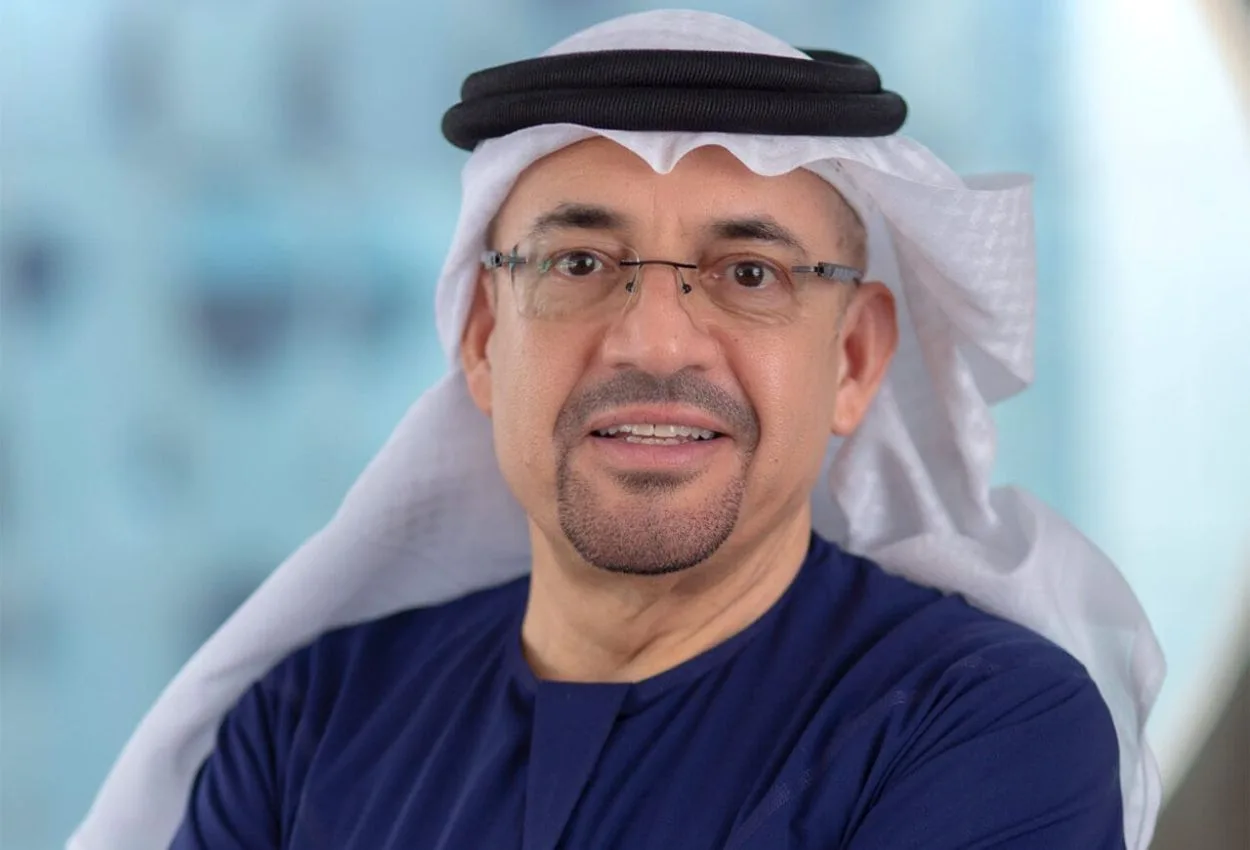
The UAE must introduce an economic plan which includes a review of its interest rates and debt freeze policies, among other measures, to retain its expat talent, prominent lawyer Dr Habib Al Mulla told Lana in an exclusive interview.
“What we need is an integrated economic plan. And sooner rather than later, as we should not wait for the situation to become worse to act. We must act now so that we can come out of this … We need to examine our interest rates, moratorium for debt and most importantly payment of due charges so that these businesses can have the cash needed to continue to survive,” he said, adding that the plan should focus on “defending our SMEs”.
Unlike the Covid-19 pandemic, which saw global disruptions limit the movement of talent, Al Mulla, who is the founder of law firm Habib Al Mulla and Partners, warned that today’s environment is far more competitive.
“Today, the biggest struggle is managing costs, ensuring cash inflow and protecting our labour base. The world is a competitive place. If we lose our talent, I am not sure – unlike Covid as that hit the whole world – they will come back,” he said.
Last week, the Dubai government introduced an AED1 billion economic support package to ease financial pressure on businesses, protect jobs and support SMEs.
The short-term stimulus package focuses on boosting liquidity and reducing operating costs, with measures including a deferral of government fees for up to three months, targeted relief for tourism and hospitality, and extended customs grace periods (from 30 to 90 days).
The Covid-19 pandemic saw Dubai rolling out larger scale economic support packages, including billions in stimulus, fee waivers, loan deferrals, and sector-specific support to protect businesses and residents, while enforcing strict but short lockdowns.
As a result, the city was among the first to reopen and rebound in sectors such as aviation, tourism – it hosted the Expo in 2021 – and business, having introduced long-term visas and 100% foreign ownership, which led to a surge in real estate and investment, as well as an influx of new residents.
While Al Mulla said further measures are likely if regional tensions persist, they will differ from those presented during Covid-19, and may include changes to liquidity facilities for SMEs as well as adjustments to corporate tax relief thresholds.
“Covid required blanket sectoral relief because entire industries were legally shut down. The current situation is geopolitical, not administrative, so the pressure points are different: insurance surcharges, supply chain rerouting, tourism hesitancy, and FDI sentiment,” he said.
“Expect targeted support rather than broad stimulus, possibly including Central Bank liquidity facilities for SMEs, rent relief frameworks for hospitality operators, and temporary adjustments to corporate tax relief thresholds. A federal-level complement to the Dubai package, covering the other six emirates, is also a logical next step if conditions deteriorate,” he added.
Al Mulla also highlighted gaps in the UAE’s commercial framework, urging the need for a clearer force majeure framework in contracts, as well a review of mandatory business continuity insurance, which is not currently required by law.
Moreover, he predicts the UAE will offer residents greater inclusion through “a more formalized permanent residency category” for skilled professionals in AI, life sciences, and green energy.
The country currently offers long-term residency schemes, including the 5-year Green Visa and 10-year Golden Visa, for investors, skilled professionals and select talent. Citizenship remains limited to exceptional cases and is generally reserved for Emiratis.
“The trajectory is clear and I believe it will continue in one direction: greater inclusion. The Golden Visa was a structural shift, not a temporary incentive, because it decoupled residency from employment sponsorship for the first time. The Green Visa reinforced this by creating a self-sponsorship pathway for skilled independents.
“What comes next is likely a more formalized permanent residency category, distinct from the renewable long-term visa, which would confer a stable legal status without the anxiety of renewal cycles. Citizenship is a different story for it will likely remain a deliberate policy tool rather than an entitlement pathway for many years,” he said.
The ongoing regional conflict, he added, has sparked a notable sense of solidarity between Emiratis and expats.
“That social capital is real, and policy will probably translate it into durable legal ties, not just sentiment. Talented professionals choose jurisdictions where their contracts will be enforced, their assets protected, and their families stable. If the UAE continues investing in that certainty, the incentives largely take care of themselves,” he said.
Since late February, Gulf states have been drawn into a conflict between the United States, Israel, and Iran, involving US and Israeli air strikes on Iranian targets and retaliatory Iranian missile and drone attacks across the region.
The hostilities have disrupted shipping through the strategic Strait of Hormuz, pushed up global energy prices, and prompted GCC countries to seek a more decisive outcome amid stalled diplomatic efforts for a ceasefire.