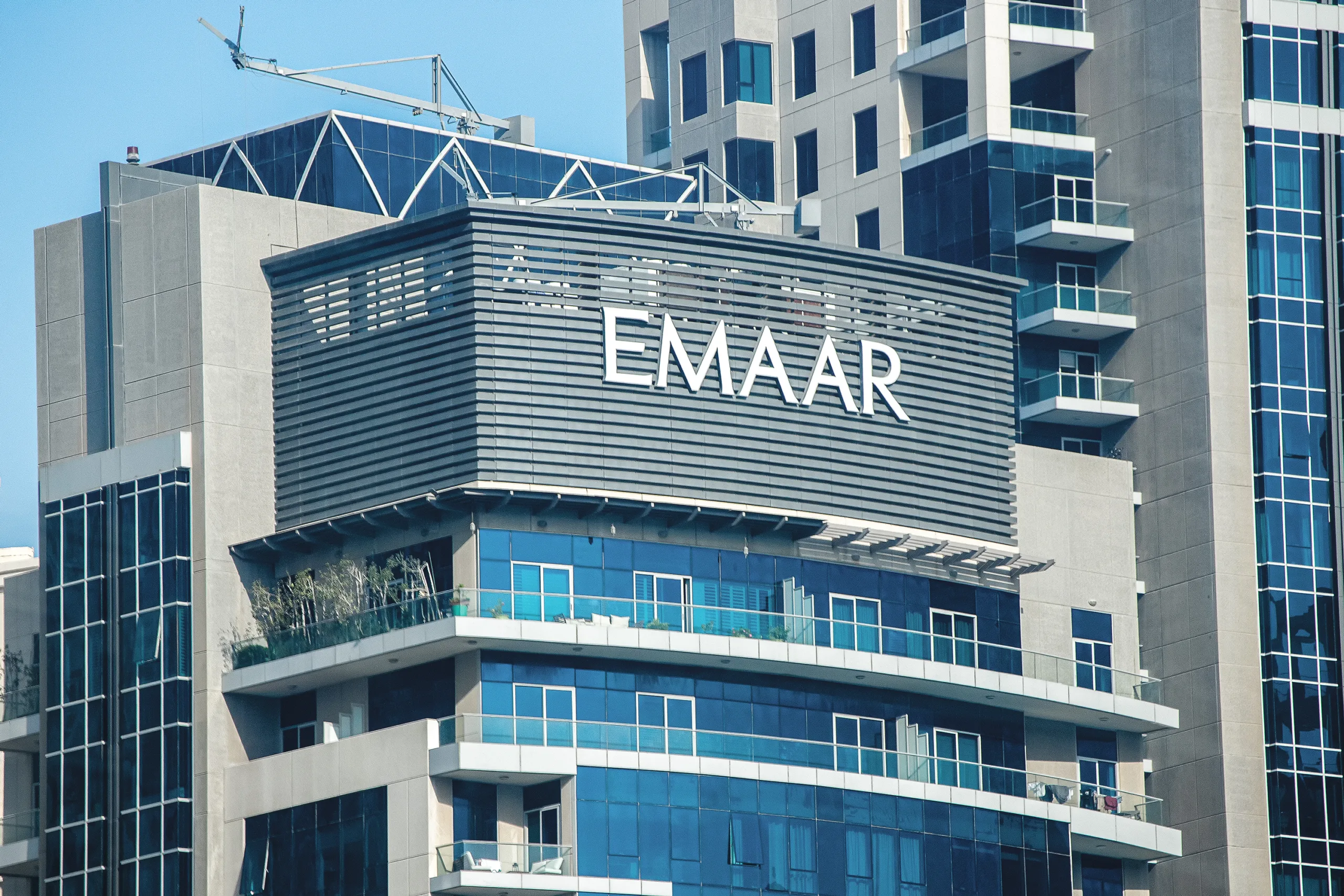
Emaar Properties’ decision to approve a 100 per cent dividend payout of AED8.8 billion ($2.4 billion) is being interpreted by market experts as a powerful signal of confidence in both the company and the broader Dubai real estate market.
Analysts say the scale and timing of the payout – one of the largest in the sector – suggest management is not only comfortable with its financial position, but also optimistic about the outlook for Dubai property despite ongoing geopolitical uncertainty.
“Emaar believes Dubai property should rebound once the conflict ends,” said Alvin Nair, CFA and Investment Analyst, adding that “weaker smaller developers may lose share while top-tier names gain share.”
Emaar dividend reflects ‘underlying financial strength’
This, he explained, points to a shift in market dynamics rather than a downturn.
“For Dubai real estate, this payout can be read as a sign that the market may become more selective rather than structurally weaker,” Nair said.
“Buyers and investors may increasingly prefer large, trusted developers with strong execution, funding access and delivery credibility.”
“Emaar Properties currently holds the highest weighting in the Dubai Financial Market General Index at 10.3%. Adding the 6.3% from Emaar Development, the combined weight of Emaar stocks totals 16.6% of the entire index. This makes the Emaar group one of the most important companies to guide investor sentiment and confidence in the overall market,” Vijay Valecha, Chief Investment Officer, Century Financial added.
According to Nair, the dividend reflects underlying financial strength rather than excess generosity.
“This is a clear signal of management confidence rather than plain shareholder generosity,” he said, pointing to “a strong balance sheet and healthy cash flow visibility,” supported by robust sales, revenue and profit growth.
“In other words, management believes even amid the current security situation, its development model remains de-risked, construction is progressing, and cancellations or defaults have so far been limited.”
He added that payouts of this magnitude carry broader market significance.
“That matters for the market because dividends of this size from a major developer act as a public confidence signal at a time when investors may otherwise expect caution,” Nair said.
“It suggests management does not see an immediate liquidity crunch or a need to conserve capital aggressively.”
While acknowledging some near-term pressures, Nair said the fundamentals remain intact.
“The near-term market could still see softer volumes, pressure on tourism-linked assets and some caution due to the security backdrop,” he noted. “But the message from Emaar is that underlying demand for quality products remains intact.”
Emaar reported strong underlying performance, with property sales exceeding AED70 billion, while net profit before tax rose by more than 50 per cent to around AED15.5 billion, highlighting the strength of demand and execution across its portfolio.
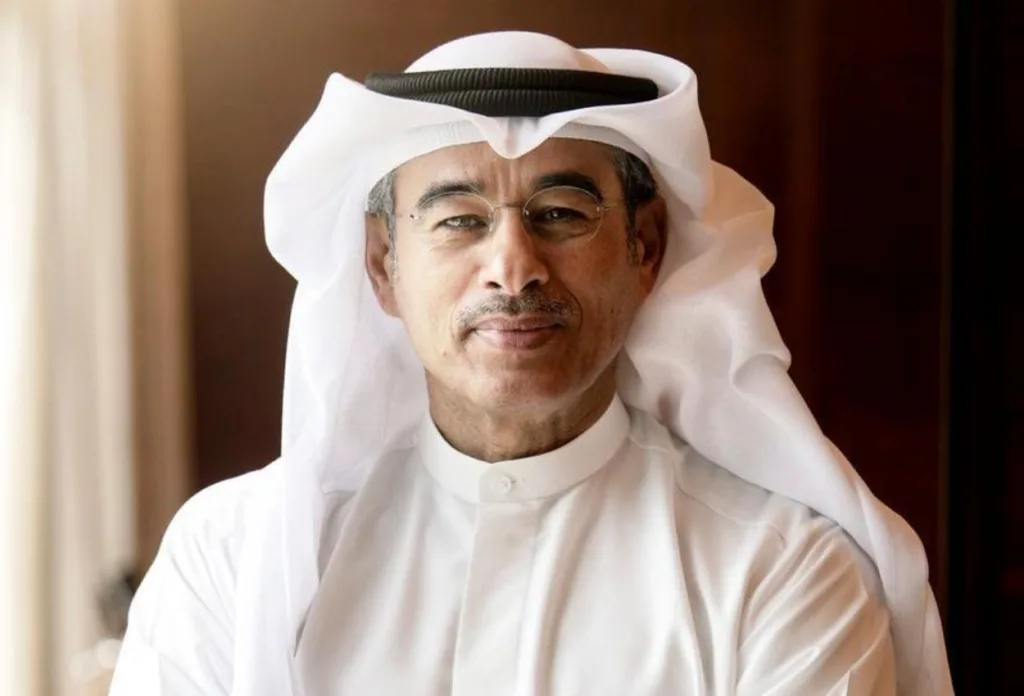
Commenting on the results, Mohamed Alabbar said the company’s performance reflects Dubai’s continued global appeal, noting that the emirate remains a leading destination for investment, tourism and high-quality real estate.
The AED8.8 billion payout – equivalent to 100 per cent of share capital – further underscores Emaar’s confidence in future cash flows and its ability to sustain growth without the need to retain excess capital.
Nair added, “the dividend is not just a payout; it is a statement that Dubai’s leading developer believes the sector can absorb current shocks and emerge with stronger market leadership at the top end.”
“The fact that Emaar can continue its high dividend policy despite the ongoing situation clearly signals confidence for the markets. It reflects record profitability, strong cash flows, and confidence that near-term geopolitical risks have not disrupted underlying demand,” Valecha explained further.