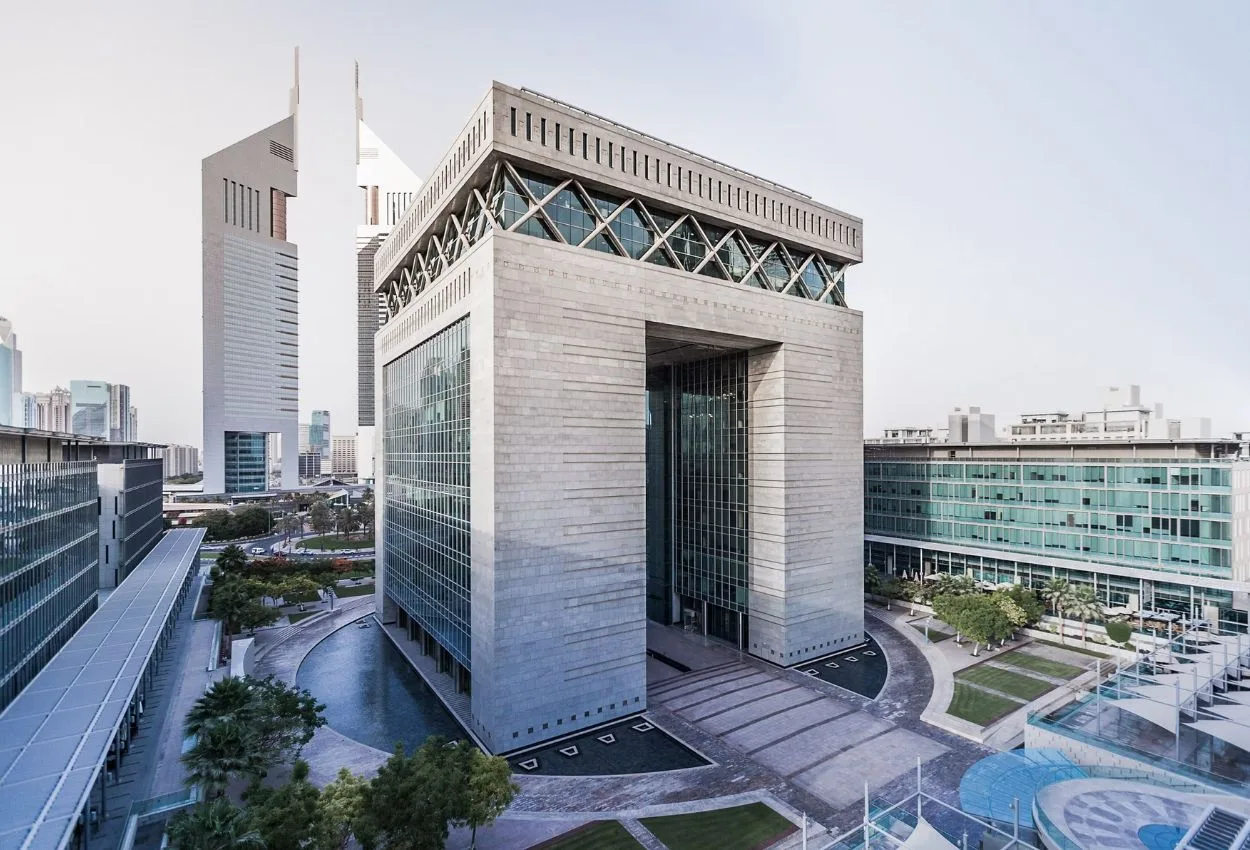
The Dubai International Financial Centre (DIFC) has published the first report in its 2026 Future of Finance series, offering an examination of how global wealth is being reshaped by volatility, demographic change and shifting capital flows.
The report, titled Global Wealth Outlook: Rethinking Growth in a Changing World, identifies a population of nearly 23 million high-net-worth individuals (HNWIs) who collectively hold close to $87 trillion in wealth. It argues that this cohort is exerting a force on global capital markets that is without precedent in recent history.
At the centre of the report’s findings is Dubai’s emergence as a destination for HNWIs, family offices and global private capital.
A $124 trillion intergenerational transfer is reshaping investment strategy
“The global wealth landscape is undergoing a structural shift. In an environment of volatility, regulatory divergence and generational change families are thinking about risk, resilience and long-term growth. Increasingly, geographical allocation is becoming as important as how wealth is invested. Dubai, and in particular DIFC, has anticipated this shift and offers a stable and globally connected environment with regulatory clarity in which families and private investors can make long-term decisions with confidence,” Arif Amiri, Chief Executive Officer of DIFC Authority said in a statement.
According to estimates from Henley & Partners, the UAE attracted approximately 9,800 new millionaires in 2025, the majority of them in Dubai, representing the highest net inflow of millionaires globally. The report attributes this to a shift in the tax and policy environments of traditional financial centres.
The report identifies a $124 trillion intergenerational wealth transfer expected to take place by 2048 as a force behind a structural realignment in how and where capital is deployed.
As younger heirs assume greater influence over family portfolios, investment strategies are moving towards private markets, artificial intelligence, sustainability and impact alongside conventional return objectives.
The report states that next-generation wealth holders now pursue what it describes as multi-dimensional prosperity – financial gains alongside resilience against drawdowns and inflation, portfolio flexibility for events, family unity across generations, environmental and societal impact, and family reputation.
Women, AI emerge as defining forces in wealth management
The report noted that women now represent over a tenth of ultra-high-net-worth individuals (UHNWIs) and are on course to capture 95 per cent of $54 trillion in inter-spousal wealth transfers.
Female heirs, according to the report, place a higher priority on investments that reflect their ethics and social impact interests, including sustainable, philanthropic and innovative projects.
Artificial intelligence features as a priority for HNWIs, who are drawn to its potential to deliver societal progress in healthcare, education and resource use.
Following AI, the report identifies renewable energy as the sector with the fastest growth trajectory in the coming years, with sustainable investments appearing with greater frequency in UHNWI portfolios. The report states that the wealthy are moving beyond the rhetoric on sustainability and committing capital to back their positions.
The report also addresses a change in what clients expect from their advisers. Wealth managers are now expected to go beyond an understanding of valuations and portfolio construction.
They must master private deal structures, identify venture and growth-stage partners and integrate data-driven analytics into their advisory practices. The report also finds that despite advances in technology, wealth management remains a business built on human relationships. Advisers must build trust, navigate family dynamics and understand the goals and values of each family.
DIFC currently hosts more than 1,289 family-related entities, which the report describes as the largest family wealth ecosystem in the UAE.
The centre supports this through an infrastructure that spans private banking, wealth and asset management, and legal and advisory services.
DIFC has also established the DIFC Family Wealth Centre, which it describes as a global first – an initiative dedicated to supporting families across generations through thought leadership, peer networking and engagement with the next generation.
The report notes that this growth sits in alignment with the UAE’s designation of 2026 as the Year of Family, which reflects the role that families are increasingly playing in global wealth stewardship.
DIFC states that the report is designed to demonstrate how Dubai is not only responding to shifts in global wealth, but working to shape the conditions in which private and family capital can grow.