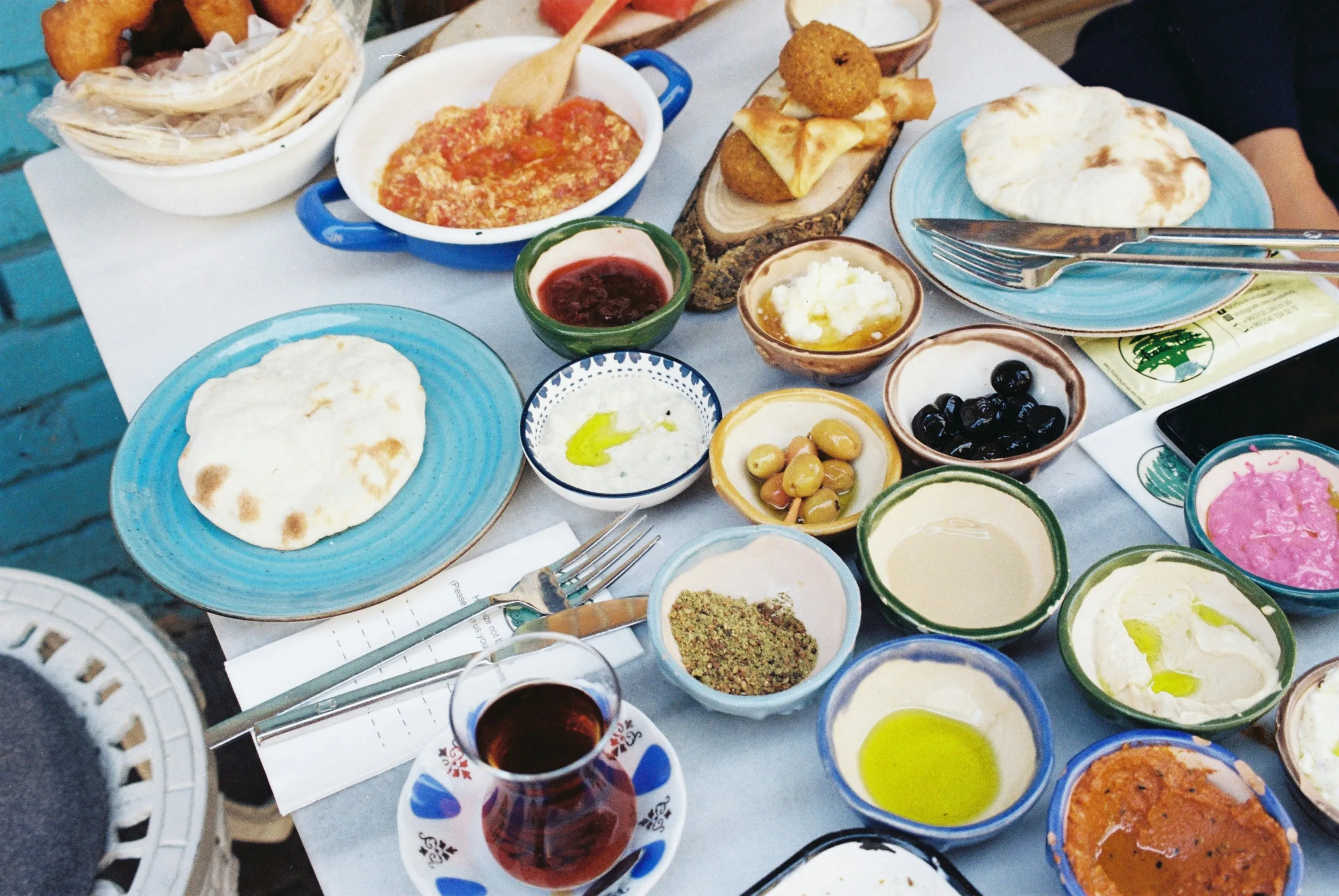

Across the Middle East, tahini has never needed rebranding. It has long sat quietly in the kitchen cupboard, ready to be stirred into hummus, whisked into sauces or drizzled over roasted vegetables. Yet in recent years, chefs from Dubai to London have begun treating it not as a supporting ingredient but as the centre of the plate.
Tahini, at its simplest, is ground sesame seed paste. The process is deceptively straightforward. Sesame seeds are hulled, lightly toasted and then crushed into a thick, pourable paste with a rich, nutty depth. Good tahini carries a natural bitterness balanced by warmth and oiliness, making it unusually adaptable across both savoury and sweet dishes.
Its history stretches back thousands of years. Sesame itself is one of the world’s oldest cultivated oilseed crops, grown across Mesopotamia and the Levant long before modern culinary borders existed. References to sesame pastes appear in ancient Middle Eastern cooking traditions, while written recipes resembling tahini-based sauces appear in medieval Arab cookbooks. Over time it became embedded in everyday Levantine cooking, particularly across Palestine, Lebanon and Syria, where it forms the backbone of dishes such as hummus, baba ghanoush and tarator.
For generations, tahini remained firmly associated with those traditional preparations. What has changed recently is how widely chefs are applying it.
Across contemporary kitchens, tahini now appears in places that would once have seemed unlikely. It thickens salad dressings in place of mayonnaise. It forms the base of caramel-like dessert sauces. Bakeries fold it into brownies, cookies and soft-serve ice cream. Even coffee shops have begun experimenting with tahini in milk drinks, where its nuttiness sits surprisingly well alongside espresso.
Part of the appeal lies in its texture. Tahini brings richness without relying on dairy, allowing chefs to add depth while keeping dishes lighter. Its subtle bitterness also balances sweetness exceptionally well, which explains the recent wave of tahini desserts appearing on restaurant menus.
There is also a broader cultural shift underway. As Middle Eastern ingredients gain global attention, chefs are increasingly looking back to regional pantry staples rather than importing flavour trends from elsewhere. Tahini, long taken for granted in its home region, suddenly appears to the outside world as something both ancient and new.
For diners across the Gulf, this renewed attention may feel quietly amusing. Tahini has been here all along, spooned over grilled aubergine or stirred into warm chickpeas at the breakfast table. What is happening now is less a discovery than a rediscovery.
An ingredient once confined to a handful of traditional dishes is being allowed to do what it has always been capable of doing: quietly improving almost everything it touches.
A classic tahini sauce
Few preparations demonstrate tahini’s versatility better than the simple sauce served across the Levant with grilled vegetables, falafel or fish.
Ingredients
- 4 tablespoons tahini
- 1 small garlic clove, finely grated
- Juice of 1 lemon
- 3 to 5 tablespoons cold water
- ½ teaspoon sea salt
- Optional: pinch of ground cumin or chopped parsley
Method
Step 1:
In a small bowl, whisk the tahini, garlic, lemon juice and salt. The mixture will thicken and look slightly grainy at first.
Step 2:
Gradually add the cold water, one tablespoon at a time, whisking continuously. The sauce will loosen and become pale and creamy.
Step 3:
Taste and adjust with more lemon or salt if needed. The final texture should be smooth and pourable, similar to double cream.
Step 4:
Serve drizzled over roasted vegetables, grilled fish, falafel or warm flatbread.