
The brain is an expensive organ to run. Although it accounts for only about two percent of body weight, it consumes close to twenty percent of the body’s energy supply. That energy is not simply about calories. The brain relies on fats, micronutrients and antioxidants to maintain the electrical signalling that underpins concentration, memory and mood.
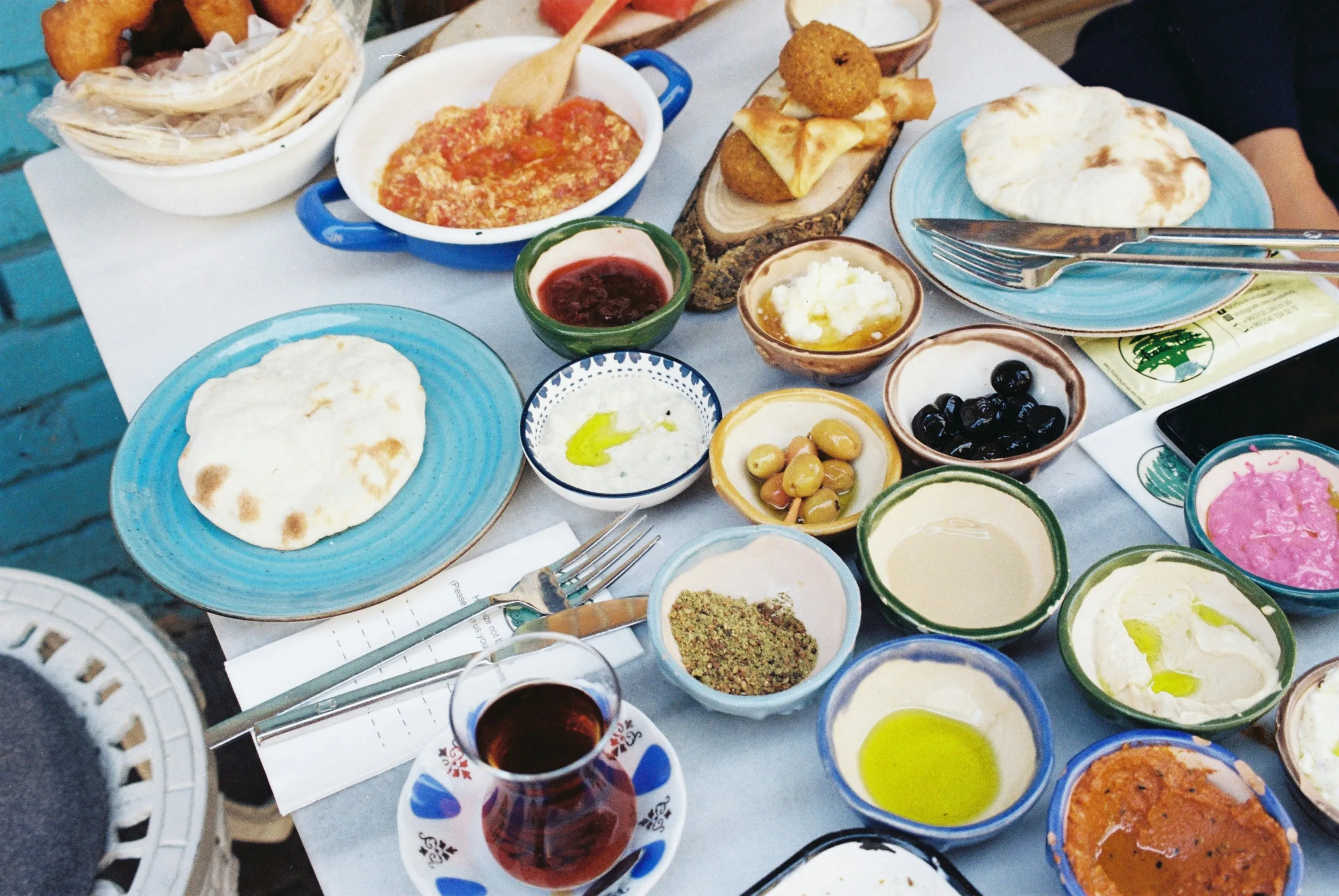
In recent years nutrition science has paid increasing attention to foods that support blood flow to the brain, protect neurons from oxidative stress and help build the fatty structures that form brain cells themselves. Interestingly, many of the ingredients that appear most often in the research are not exotic “superfoods” but staples already embedded in Mediterranean and Middle Eastern cooking.
Walnuts
Walnuts appear again and again in research exploring brain health. They contain alpha-linolenic acid, a plant-based omega-3 fat associated with cognitive performance and healthy neural signalling.
Omega-3 fats help maintain the structure of neuronal membranes, allowing brain cells to communicate efficiently. Walnuts also contain polyphenols and vitamin E, compounds linked to protecting brain tissue from inflammation and oxidative damage.
Across the Levant they are used generously in dishes such as muhammara or walnut pastries, quietly delivering a dense package of nutrients.
Oily fish
If one nutrient dominates research on brain health, it is long-chain omega-3 fatty acids. These fats, particularly DHA, are a major structural component of the brain.
Oily fish such as mackerel, sardines, anchovies and salmon contain particularly high concentrations. Studies consistently link regular consumption with improved memory, better focus and reduced risk of cognitive decline later in life.
From a culinary perspective, oily fish also happen to be among the simplest foods to cook well. A whole mackerel grilled with lemon, olive oil and sea salt delivers both flavour and nutrition with minimal effort.
Blueberries and dark berries
Berries have drawn attention because of their concentration of flavonoids, plant compounds associated with improved blood flow and reduced inflammation in the brain.
Blueberries in particular appear frequently in studies examining memory and cognitive ageing. Their antioxidants may help protect neurons while supporting communication between brain cells.
They are also among the easiest additions to everyday eating, stirred into yoghurt, blended into smoothies or eaten simply by the handful.
Leafy greens
Leafy greens such as spinach, kale and chard contain a cluster of nutrients associated with brain health, including folate, vitamin K, lutein and beta carotene.
These compounds appear to support cognitive function partly through maintaining healthy blood vessels and reducing inflammation. Long-term observational studies suggest diets rich in leafy greens may help slow age-related cognitive decline.
Across the Middle East they appear in everything from spinach fatayer to herb-heavy salads such as tabbouleh, dishes that quietly align with what modern nutritional science now recommends.
Extra virgin olive oil
Extra virgin olive oil sits at the heart of the Mediterranean diet, an eating pattern repeatedly linked with improved cognitive health.
The oil contains polyphenols that appear to protect brain cells from oxidative stress, while its monounsaturated fats support healthy circulation. Good olive oil is also one of the easiest upgrades in everyday cooking. Drizzled over vegetables, folded into dressings or served simply with bread, it adds flavour while delivering compounds associated with long-term brain protection.
In much of the Levant and North Africa, olive oil is not an afterthought but the backbone of the meal.
The broader pattern
When nutritionists examine the evidence collectively, the pattern is striking. Diets built around fish, vegetables, nuts and high-quality fats consistently appear in studies examining cognitive health.
In other words, the foods that support the brain are rarely fashionable inventions. They are ingredients that have anchored traditional cooking for centuries, long before anyone thought to call them brain food.