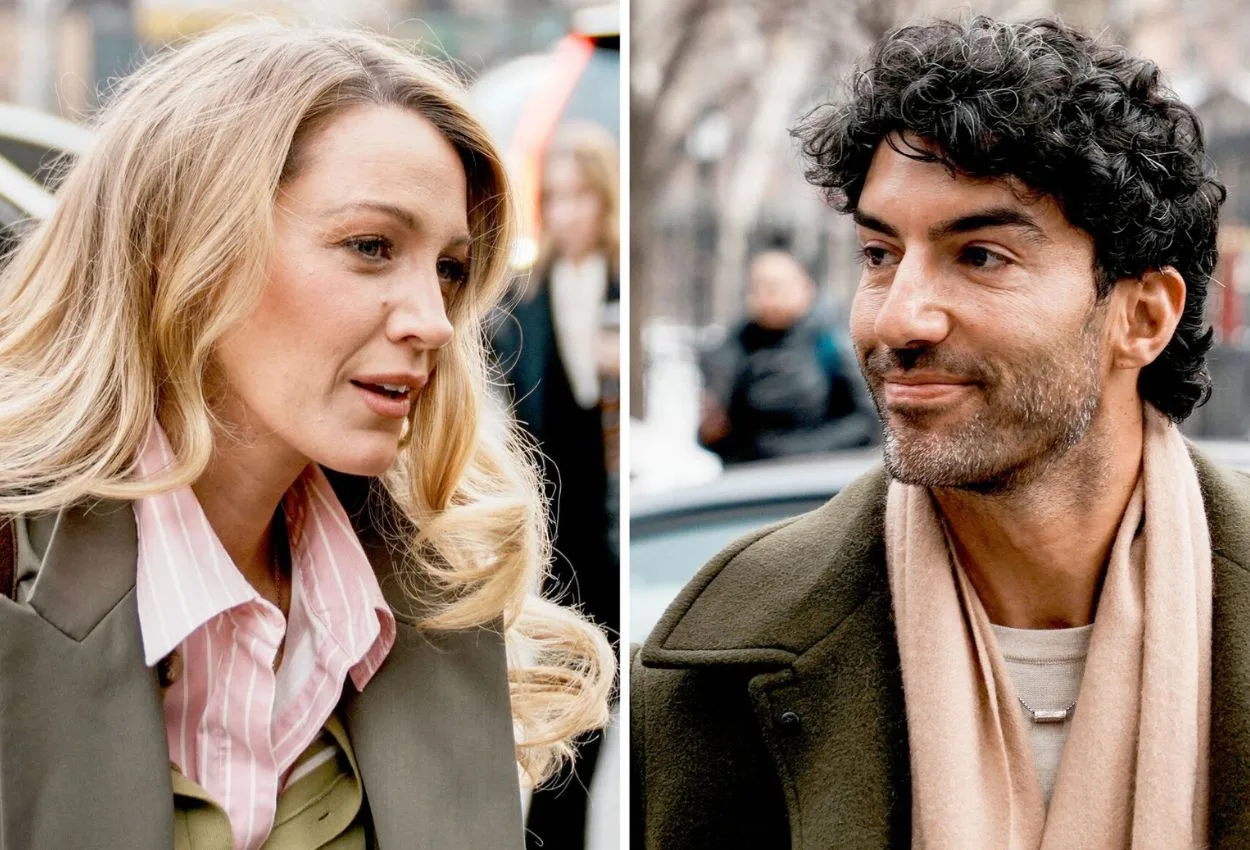
A federal judge in the United States has dismissed 10 of 13 claims in the sexual harassment lawsuit brought by actress Blake Lively against her It Ends with Us co-star Justin Baldoni.
Judge Lewis Liman ruled against Lively on allegations including harassment and defamation, leaving three claims – breach of contract, retaliation, and aiding and abetting in retaliation – to proceed to a civil trial in New York on May 18.
The legal dispute began in December 2024 when Lively filed a lawsuit against Baldoni and his production company, Wayfarer Studios, accusing him of sexually harassing her on the set of their film and launching a campaign to damage her reputation. Baldoni denied the allegations and counter-sued.
Blake Lively v Justin Baldoni: Sexual harassment claims struck out over filming location rules
In his 152-page opinion, Judge Liman outlined his reasons for dismissing the majority of the claims. The harassment allegations, brought under California law, were struck out on the grounds that filming – where the alleged misconduct took place – occurred in New Jersey. “None of these acts or occurrences provides the ‘substantial connection’ to California needed to sustain Lively’s sexual harassment claims,” Liman wrote.
The judge also found that Lively was ineligible to bring certain claims of harassment and retaliation because she was classified as an independent contractor rather than an employee.
On the question of defamation, Liman ruled that statements made by Baldoni’s lawyer, Bryan Freedman, which Lively alleged were defamatory, were connected to the legal proceedings themselves and therefore did not constitute defamation.
“To be sure, much of what Lively complains about is not actionable. The Wayfarer Parties were entitled to engage public relations and crisis management specialists to protect their reputations,” Liman wrote. “However, certain conduct at least arguably crossed the line.”
The judge ruled that some of Lively’s retaliation claims – in which she accuses Baldoni of orchestrating a campaign to attack her character and reputation – were sufficient to go before a jury.
What is left of Blake Lively’s lawsuit against Justin Baldoni? Three claims, one trial and a May court date
Baldoni had brought a $400 million (£295 million) counter-lawsuit against Lively, alleging civil extortion, defamation, and invasion of privacy. That case was dismissed by Judge Liman in June.
In that ruling, Liman said Baldoni’s team had “not adequately alleged that Lively’s threats were wrongful extortion rather than legally permissible hard bargaining or renegotiation of working conditions.”
Baldoni had also brought separate defamation cases against Lively’s husband, actor Ryan Reynolds, and their publicist, claiming they had sought to damage his career and reputation. He alleged that Lively “stole the film” from him and Wayfarer by threatening not to promote it, and that she and others had perpetuated a false account of events.
It Ends with Us is an adaptation of a bestselling novel by Colleen Hoover. Blake Lively plays Lily Bloom, a woman who witnesses domestic abuse in childhood and later finds herself in a similar situation.
Lively’s legal team accused Baldoni and Wayfarer of planning to damage her reputation through social media and by placing narratives with certain journalists.
She set out the details of her allegations in an article published by The New York Times before she filed her lawsuit. Texts between Lively and singer Taylor Swift also emerged as evidence in the proceedings.