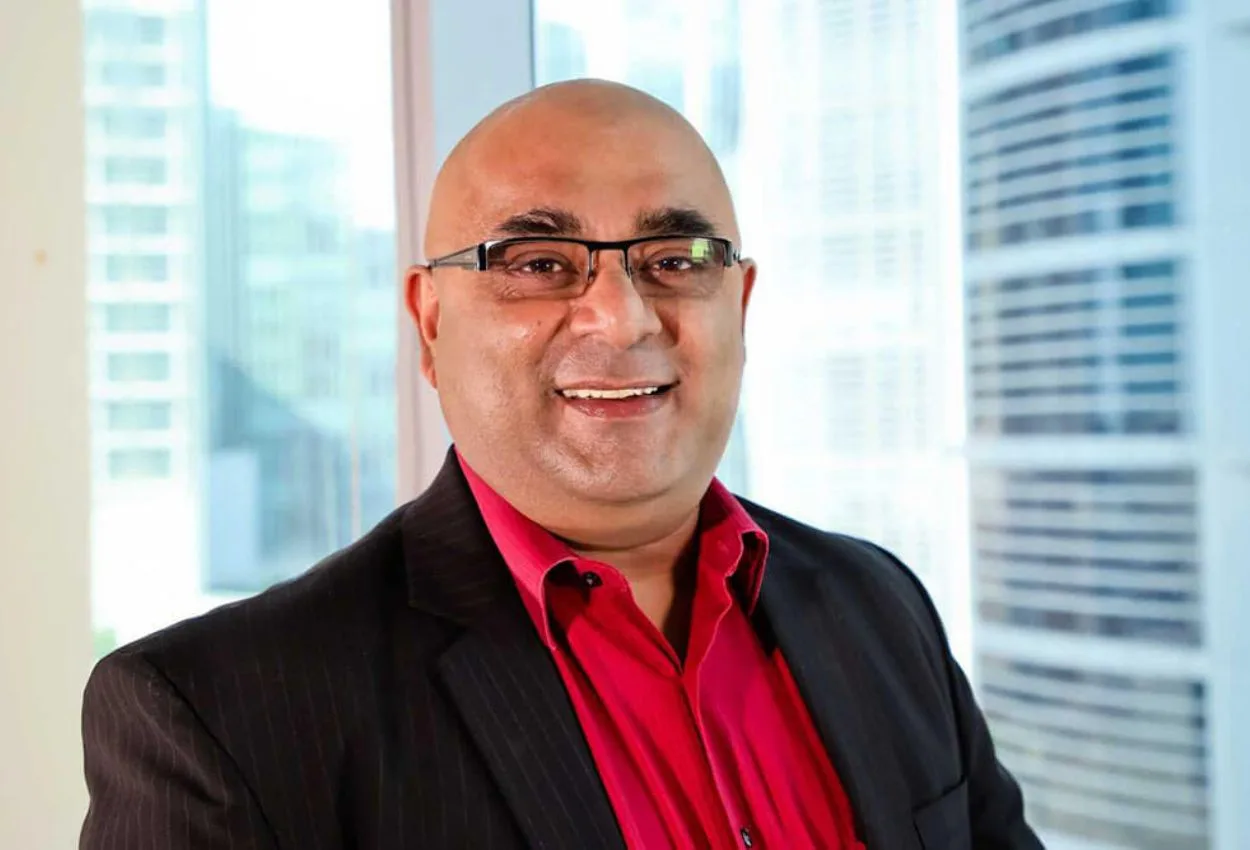
LEVA Hotels founder and CEO JS Anand has said he remains fully committed to Dubai and the wider GCC despite regional conflict slashing his company’s monthly hotel revenue from AED 2.3 million to just AED 140,000, a drop of more than 94 percent.
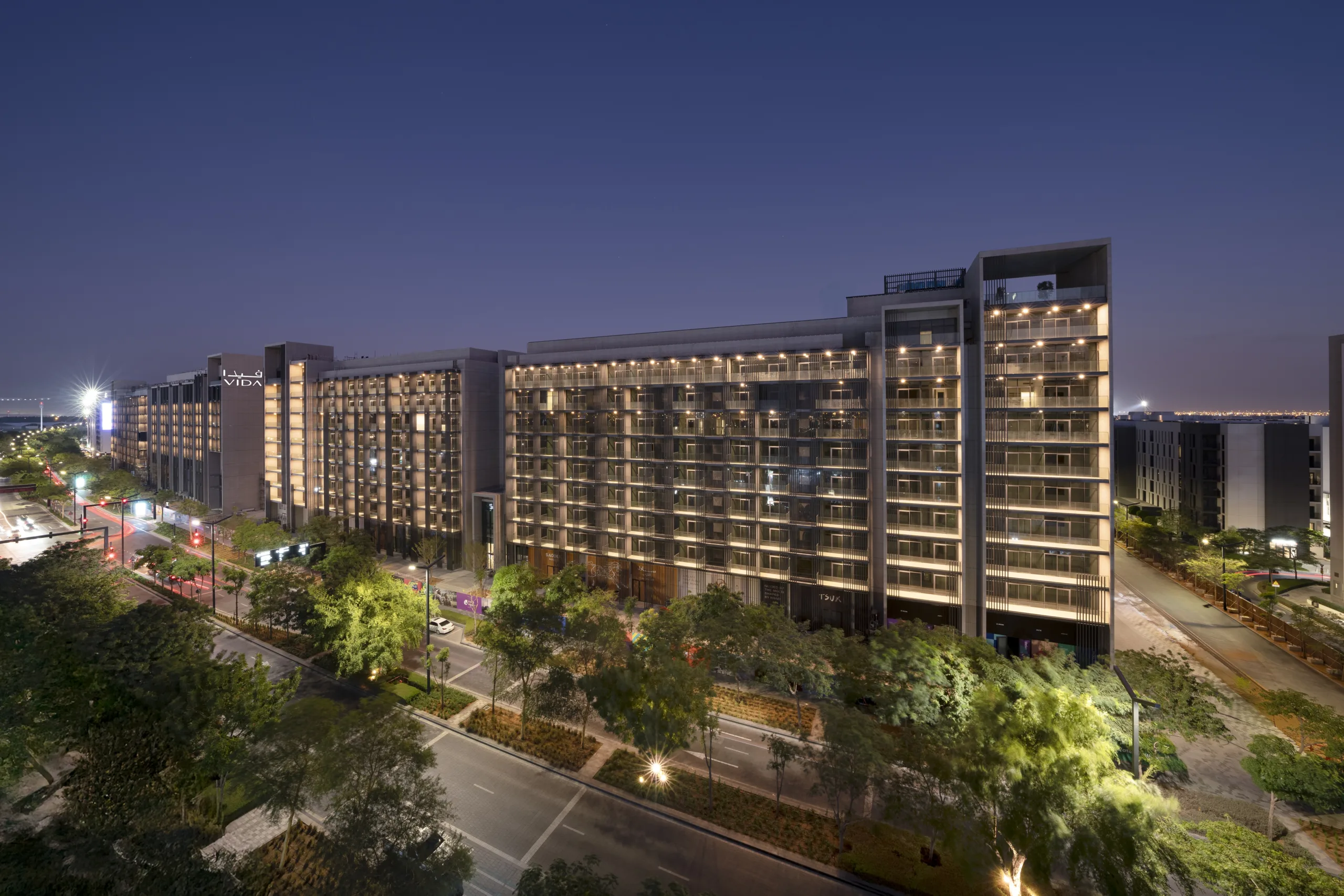
Speaking exclusively to Lana, Anand said occupancy at LEVA’s flagship Dubai property has fallen to just 9 percent following the outbreak of hostilities, with cancellations totalling between AED 3 million and AED 3.5 million from March onwards. May, he said, remains an unknown.
“We were slated to do about AED 2.2 or 2.3 million in revenue,” Anand said. “We’ll get down to about 140,000 dirhams. I don’t even want to go into May right now.”
Despite the scale of the hit, Anand said LEVA has not cut a single job. The company paid full salaries in March and in April gave staff the option to take paid or unpaid leave voluntarily.
“Have we cut jobs? No,” he said. “We’ve got a very lean organisation.”
The crisis has arrived on the back of what Anand described as the strongest season Dubai’s hospitality sector has seen in recent memory. November through February, he said, delivered record revenues and occupancy rates across the market, a run he attributed directly to the work of Dubai’s Department of Economy and Tourism.
“I call a spade a spade – this was totally unconventional, the traffic that we saw,” he said.
Market shifts to monthly stays
One of the more significant structural changes Anand has observed since the conflict began is a pivot in demand toward monthly hotel apartment stays. Residents across Dubai who have lost tenancy contracts have turned to hotels as a flexible, all-inclusive alternative to long-term rentals.
“When they lose their jobs, they lose their tenancy contracts, they can’t pay their rental checks,” Anand said. “The best option is a hotel apartment because everything is paid for.”
He said monthly rates have compressed sharply as a result, with rooms being offered at between AED 3,000 and AED 6,000 per month – well below the AED 9,000 to AED 10,000 that April would typically command.
European panic ‘overblown’
Anand was candid about the role Western media coverage has played in amplifying the crisis, describing the reaction from European and North American travellers as rooted in geographical ignorance rather than genuine risk.
“If there is a war going on between Taiwan and Japan, they would think that’s next to Dubai,” he said. “We need to understand the geography very well. The panic that came off I think is pure ignorance from the North American and European side.”
He noted that Dubai’s core feeder markets of India, Russia and Africa are less sensitive to the current environment, and that the long-term structural appeal of the emirate remains intact.
More accessible than Europe
On the question of Dubai’s broader appeal relative to other markets, Anand was direct. He said the emirate’s visa accessibility alone sets it apart from destinations that present themselves as open for business but impose significant bureaucratic barriers in practice.
“Visas in this country are the most accessible for people from any part of the world, they have an open door access, as long as they come for the right reasons,” he said.
He contrasted that directly with his experience trying to bring hospitality staff into Austria, where LEVA is developing a property. Despite being an established operator with a clear business case, Anand said he has spent a year trying to get his team approved to enter the country.
“Try sending your staff to Austria and see what happens when they have a Philippine, Pakistan or an Indian passport,” he said. “I’m struggling for one year to send them there to take over the hotel. Doesn’t happen.”
“The brand Dubai has come a long way to lose that perception of safe haven,” he added. “It’s a matter of time. It would bounce back.”
Dubai as proof of concept
For Anand, the argument for Dubai as a business platform goes beyond accessibility. He described the emirate as the world’s most effective market for proving and scaling a hospitality concept – and pointed to his own trajectory as evidence.
“Dubai is one of the best platforms for a proof of concept,” he said. “I was given an opportunity by Wasl Properties to create a flagship hotel right in the middle of the city. And because of this asset, I’ve been able to multiply in other countries.”
He said that dynamic of using a Dubai flagship to validate a brand before expanding regionally and internationally is one that other operators should pay attention to, and that it remains as relevant now as it was before the current crisis.
“You want to be seen in Dubai. You want to build something in Dubai,” he said.
GCC expansion unchanged
Looking ahead, Anand said the conflict has done nothing to alter LEVA’s expansion strategy across the Gulf. He pointed to Ras Al Khaimah, Abu Dhabi, Sharjah and Saudi Arabia’s tier-two cities as markets with significant untapped potential, and said the company remains focused on establishing upscale three and four-star product across the region.
He also confirmed plans to launch a new serviced apartment concept under the LEVA Living brand, and said he is in active discussions with developers, noting that a huge number of developer licences have been issued in Dubai alone.
“My long-term view never changed because of this situation or otherwise,” he said. “There is still a lot of growth that needs to be done.”
Anand acknowledged that the speed and severity of the downturn had been unlike anything the sector had previously experienced – harder in some respects than the Covid-19 downturn, which he said had at least maintained partial occupancy. But he stopped short of predicting lasting structural change to Dubai’s hospitality market, saying demand fundamentals remain sound.
“Has it affected us in the time being? Absolutely,” he said. “But is it going to make me, as a brand, change my decision? Never. It is one of the best markets to launch a product.”