
The UAE is reassessing its international partnerships and investing more in its own defence capabilities following this year’s Iranian attacks, Minister of State Noura Al Kaabi has revealed, as diplomatic efforts continue to prevent another round of conflict in the Middle East.
In one of her most candid interviews since the outbreak of the war, Al Kaabi described feelings of “betrayal” and “anger” over the strikes, which targeted civilian infrastructure and disrupted daily life across the Emirates. “It’s a feeling of betrayal and a feeling of anger,” she said. “Most of the sites are civilian sites, and that’s why you feel angry.”
Speaking exclusively on the first episode of State of Ambition, a new podcast series from Lana hosted by international journalist Inzamam Rashid in partnership with Capital.com, the minister said the crisis had provided a clearer understanding of which international partners the UAE could rely on. “Your friend is not your friend in good times only. Your friend is your friend in difficult times.”
Her remarks come as the region faces renewed uncertainty over the prospect of further US military action against Iran, despite months of diplomatic efforts to secure a lasting settlement.
The conflict, which began with US and Israeli strikes on Iran on February 28, prompted retaliatory attacks across the Gulf. According to the UAE Ministry of Foreign Affairs, the Emirates faced 2,819 Iranian missiles and drones during the first 40 days of hostilities.
Earlier this month, Dr Anwar Gargash, diplomatic adviser to the UAE President, warned that Abu Dhabi remained “braced for the worst” while seeking a diplomatic breakthrough between Washington and Tehran.
UAE recalibrating its defence and foreign policy
Al Kaabi said the conflict had accelerated a broader recalibration of the country’s priorities, placing greater emphasis on domestic defence capabilities, technology and economic resilience. “The recalibration is basically how important it is for us to invest more in technologies and our defence system,” she said. She added that the UAE was increasingly focused on protecting its sovereignty and ensuring international partners understood its national interests and red lines.
Despite the growing emphasis on self-reliance, the minister insisted that the United States remained a dependable strategic ally. “During the conflict, our closest allies that we rely on for defence have been consistent,” she said, pointing to the longstanding security, defence and technological partnership between Abu Dhabi and Washington.
The comments come amid wider questions over the effectiveness of the Gulf’s collective security arrangements. At the Manama Dialogue in November, Gargash warned that GCC countries had not sufficiently met the challenge of responding collectively to the crisis, despite demonstrating their individual defence capabilities.
Al Kaabi said the UAE’s response was not about abandoning existing alliances but strengthening its own capabilities while maintaining a broader network of international partnerships.
UAE maintains communication with Iran despite attacks
The minister also confirmed that Abu Dhabi had kept diplomatic channels open with Tehran throughout the crisis, arguing that continued dialogue was essential to preventing further attacks. “We kept the line of communication,” she said. “Disconnecting is something that doesn’t help take us further in how we want to continue the dialogue, how we want to push for de-escalation, and how we want to have guarantees for this not to happen again.”
Her remarks come as Qatar continues efforts to mediate between Washington and Tehran, with negotiations complicated by disagreements over sanctions, Iran’s nuclear programme and restrictions on shipping through the Strait of Hormuz. The strategically important waterway, through which a significant share of global energy supplies normally passes, has remained heavily disrupted since the conflict began. The UAE has consistently called for the restoration of freedom of navigation, while insisting that it was not a party to the war.
Al Kaabi said the economic and social relationship between the UAE and Iran made engagement unavoidable, noting that the Emirates was one of Tehran’s largest trading partners and home to a significant Iranian community. “It’s your neighbour,” she said. “The talks should always be talks for what will be best for both nations.”
Israel relationship remains important to UAE.
Al Kaabi also defended the UAE’s relationship with Israel, highlighting the importance of investment, technology and security cooperation, despite differences over the conflict in Gaza. “There is an aspect of great investments and technologies in Israel that are benefiting us, and vice versa,” she said. “The UAE’s decision to keep a relationship or to strengthen a relationship is sovereign and is based on principles it believes in.”
UAE looks to rebuild confidence after economic disruption
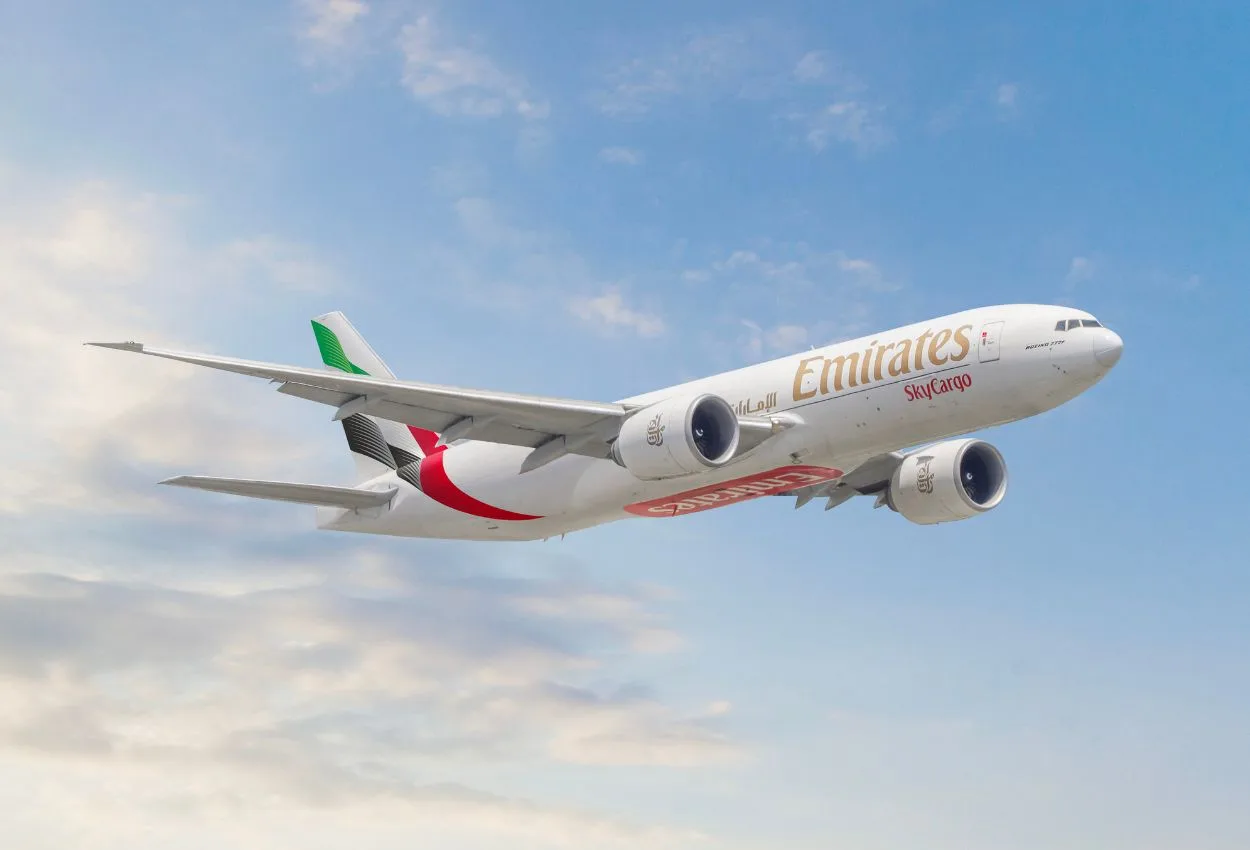
Beyond diplomacy and security, the conflict has also inflicted considerable economic damage, particularly on the UAE’s aviation and tourism industries.
Dubai International Airport handled 31.5 million passengers in the first half of 2026, a 31.3 per cent decline compared with the same period last year, as airspace restrictions and flight cancellations disrupted international travel.
Nevertheless, Al Kaabi said the country’s recovery was gaining momentum, citing the return of major international events and continued investment in cultural infrastructure. “We’re bouncing back, and the sectors are bouncing back,” she said. The Formula One Abu Dhabi Grand Prix is scheduled for December 3 to 6, while Guggenheim Abu Dhabi is due to open on December 11, offering two significant opportunities to demonstrate the country’s continued international appeal.
The minister also praised UAE President Sheikh Mohamed bin Zayed Al Nahyan for his leadership during the attacks, particularly his visits to those injured. “No one will ever be able to destroy what we built as a nation, as the spirit of the nation,” she said.
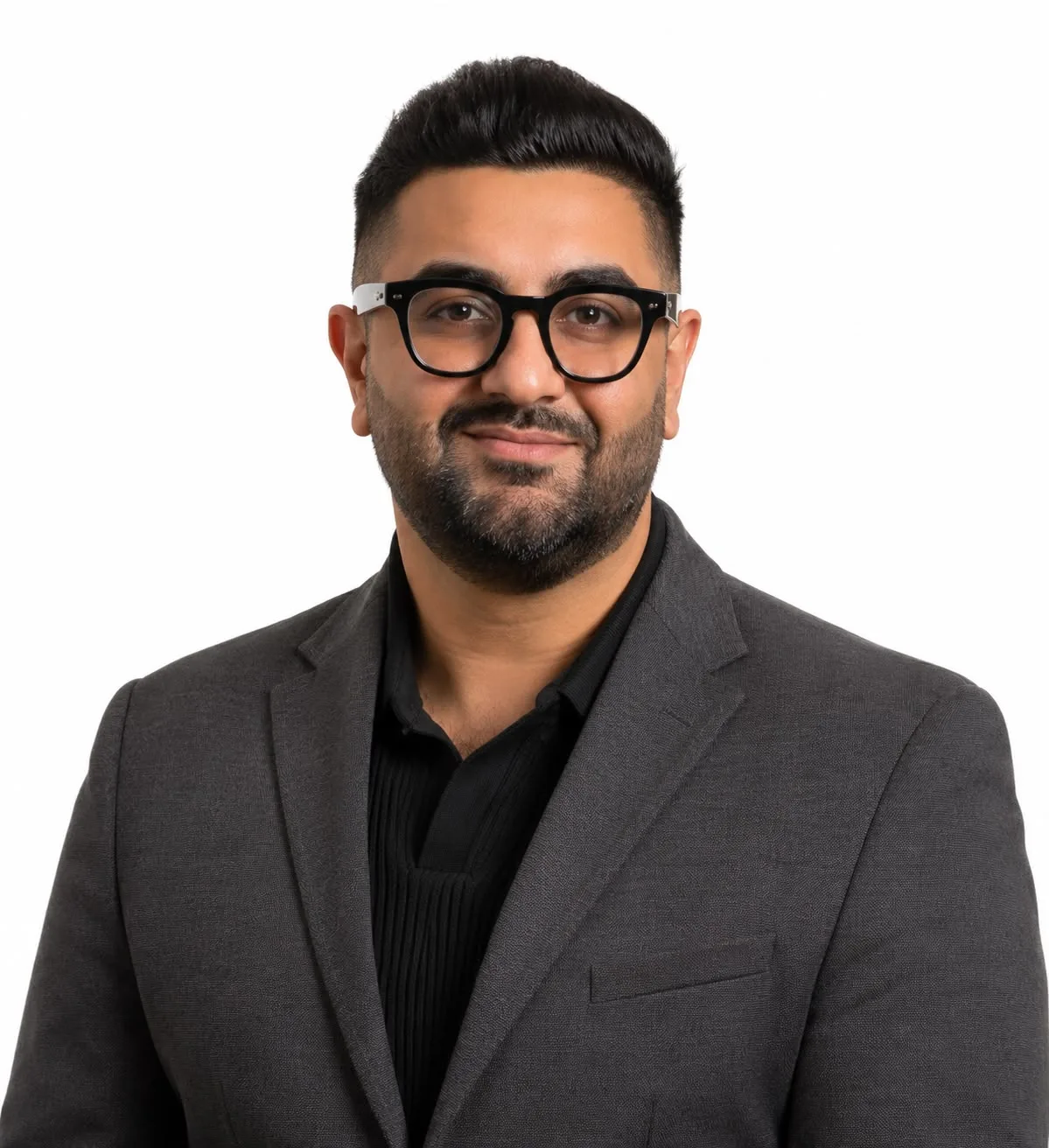
The interview marks the launch of State of Ambition, a Lana Media original series hosted by Rashid in partnership with UAE-regulated global trading platform Capital.com. The series explores how the Emirates is pursuing greater strategic autonomy across diplomacy, defence, technology, aviation and investment.
For Al Kaabi, that ambition ultimately comes down to one principle: “Simply defining our principles clearly and owning our decisions.”
The first episode of State of Ambition, featuring H.E. Noura Al Kaabi, launches on November 10 and will be available on YouTube and major podcast platforms.