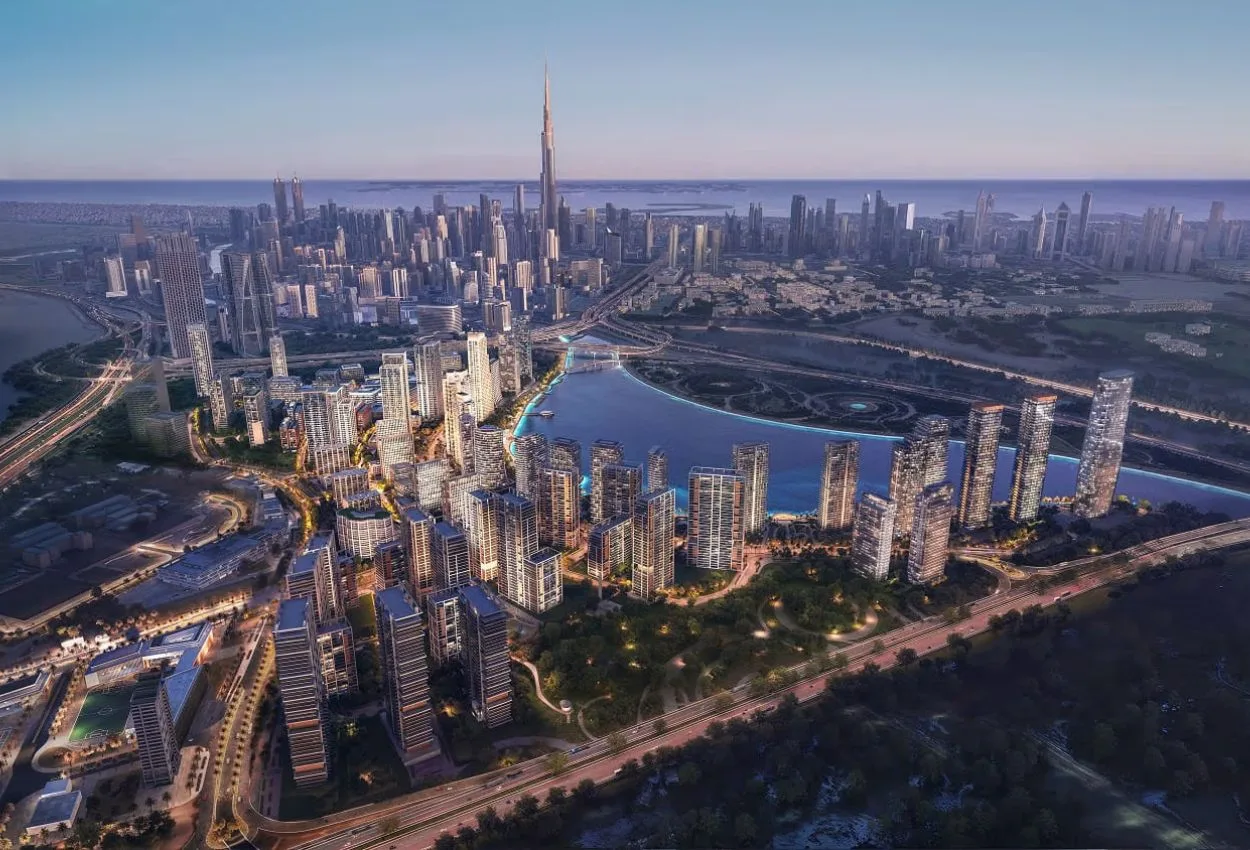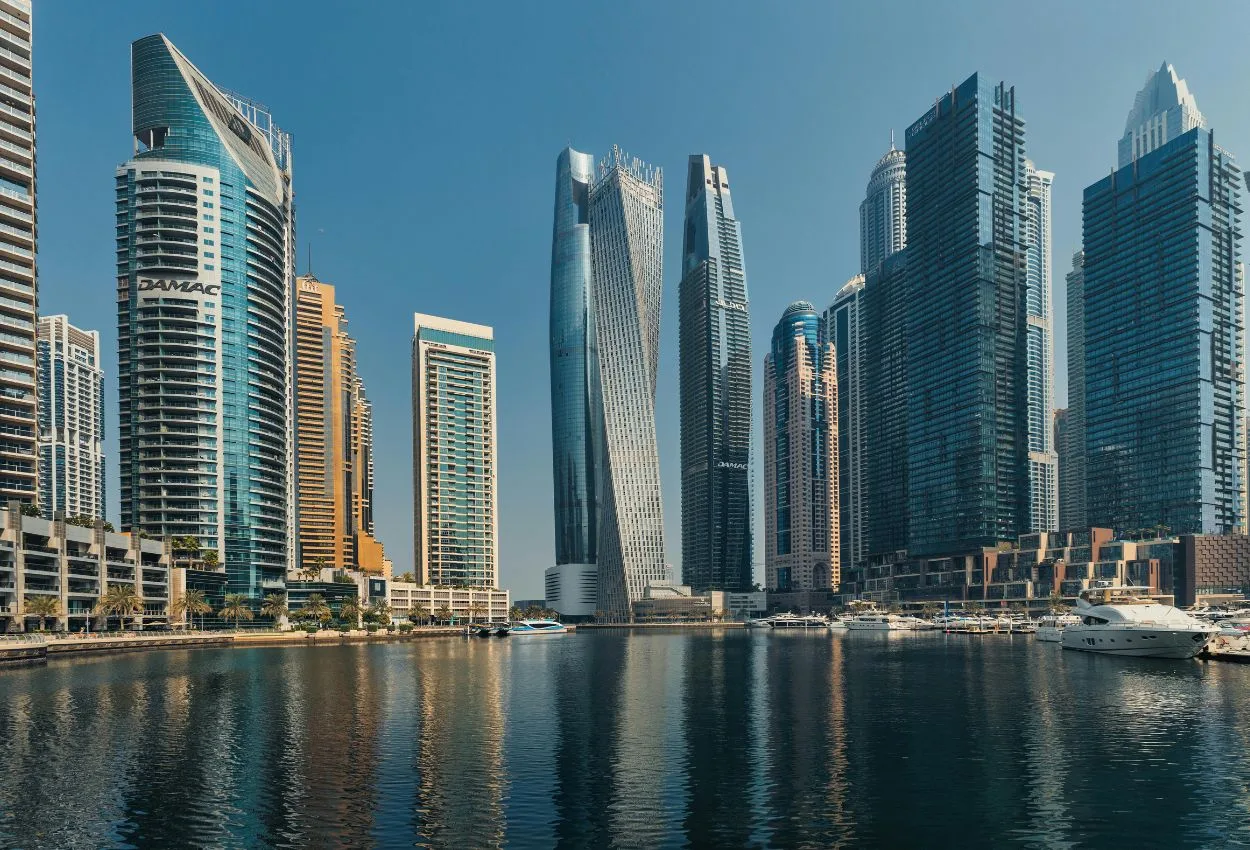
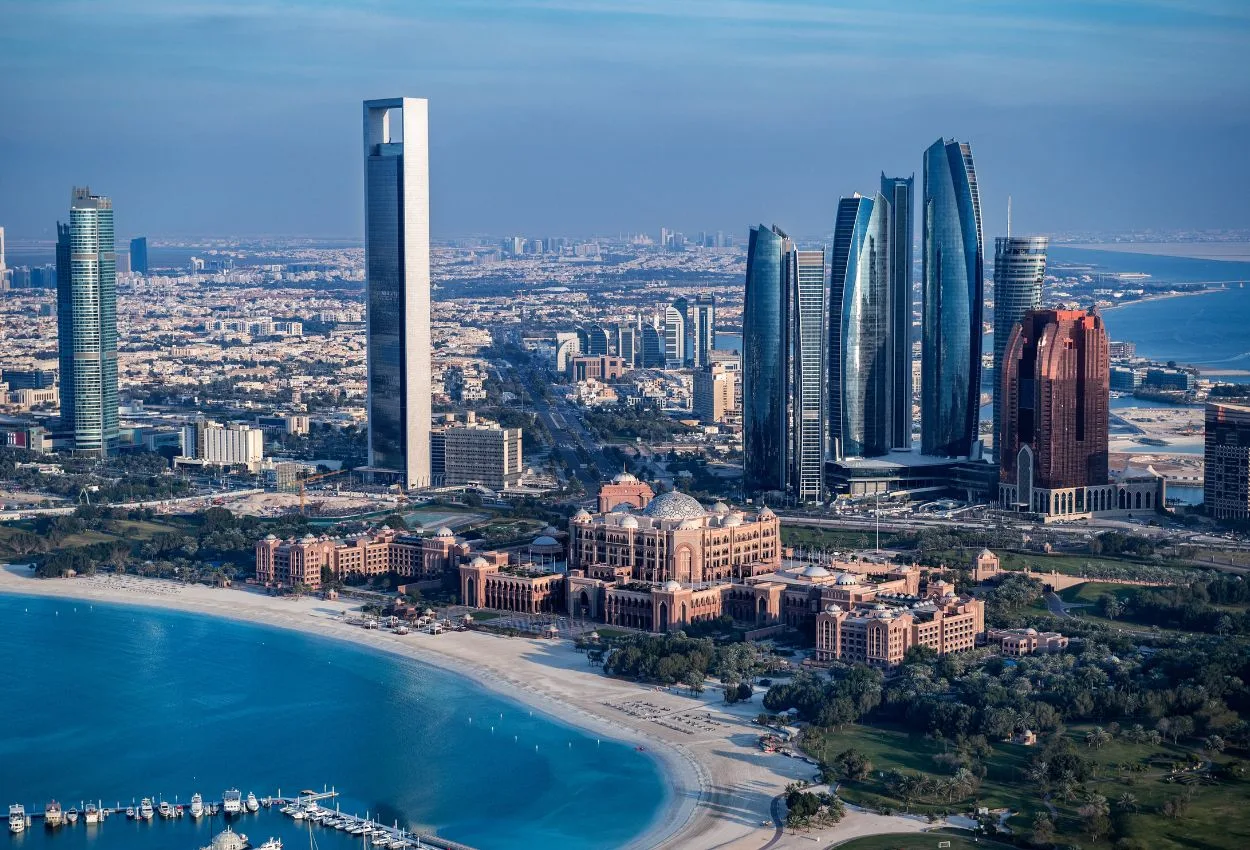
The UAE real estate sector enters 2026 following a period of growth driven by population increases, residential demand, and property tokenisation, according to Farhan Badami, Market Analyst at eToro.
“The UAE’s real estate market continues to benefit from powerful structural tailwinds. Population growth remains a key driver of housing demand, while new technologies such as tokenisation are beginning to reshape how properties are bought, sold and valued across major markets like Dubai and Abu Dhabi,” Badami said.
Dubai and Abu Dhabi are experiencing demographic expansion that supports residential demand. Dubai’s population surpassed four million in 2025, with more than 208,000 residents added over the year. The growth, driven by employment opportunities, lifestyle appeal and long-term residency initiatives, has translated into activity levels in the property market.
Dubai property transactions exceed $185bn in 2025 with 30% year-on-year growth
“In 2025 alone, Dubai recorded property transactions exceeding AED 680 billion, representing year-on-year growth of around 30 per cent. Abu Dhabi is showing a similar pattern, with residential demand growing by approximately 5% to 6% annually, significantly outpacing the rate of new housing supply,” he added.
One development to watch in 2026 will be the shift towards tokenisation and fractional ownership. Dubai’s Land Department launched a tokenisation pilot that integrates blockchain-based property titles into the land registry.
“This initiative has the potential to fundamentally change how real estate is traded. Tokenisation could allow investors to purchase fractional ownership in property assets with greater speed, transparency and efficiency, while also improving market liquidity over time,” Badami said, adding that population growth continues to support pre-sales activity, pricing power and rental income, while a market environment favours developers with land banks and execution capabilities.
“At the same time, innovation such as tokenisation may open up new funding channels and broaden the investor base. For investors, this reinforces the appeal of established developers with meaningful exposure to residential demand in Dubai and Abu Dhabi.”
Badami believes the real estate upswing points to a sector supported by fundamentals rather than speculation.
“For stocks linked to the real estate ecosystem, from developers to financial institutions, the outlook suggests scope for steady earnings growth. Healthier cash flows also support the potential for sustainable dividend growth, which will be a key focus for income-oriented investors in the year ahead,” he said.