Saudi Arabia’s three main residential property markets posted sharply different results in 2025, with Jeddah setting transaction records, Dammam registering its fastest growth in years and Riyadh recording a fall in sales volumes despite higher prices, according to a report by real estate consultancy Cavendish Maxwell.
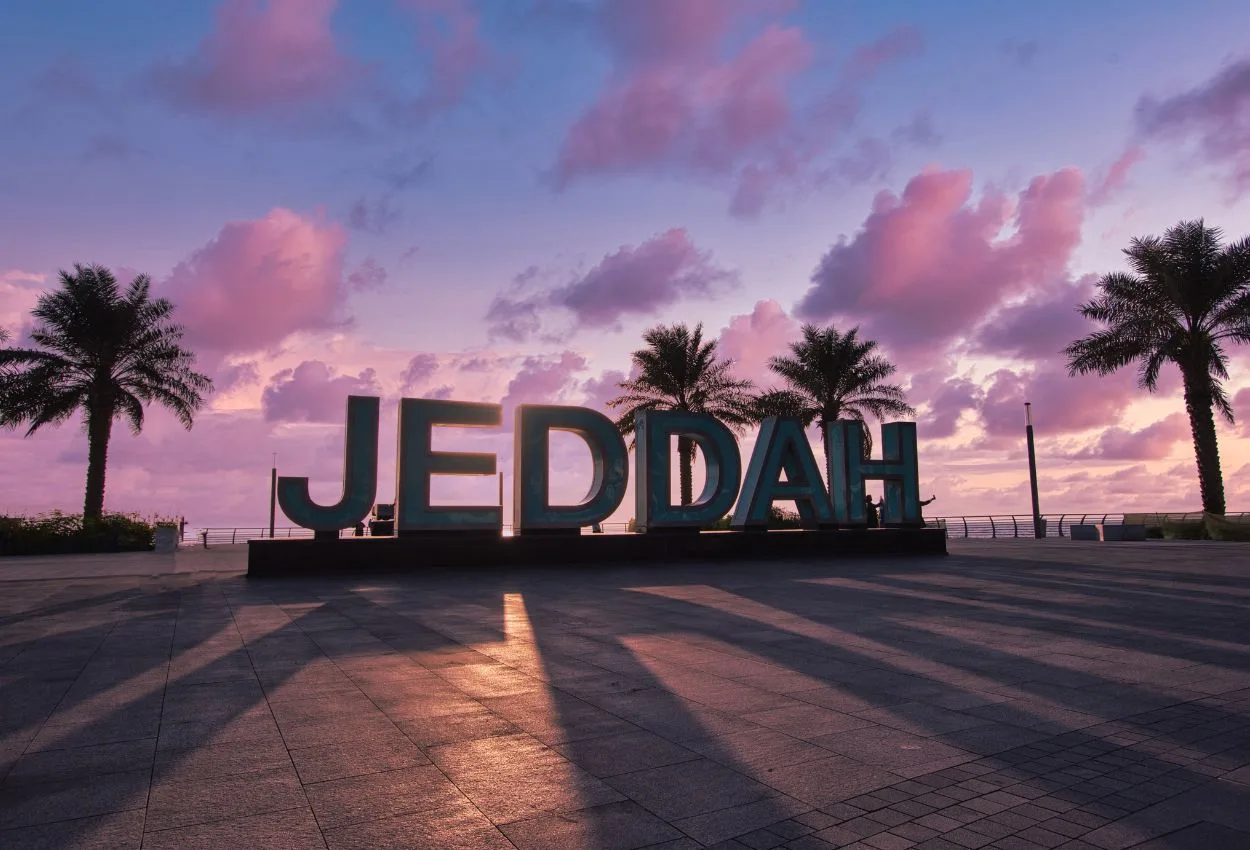
Residential property sales in Jeddah reached 30,500 transactions last year, the highest figure on record for the city, with a combined value of SAR36.6 billion ($9.75 billion).
Total sales values rose by 15.4 per cent year-on-year, and the average transaction value stood at SAR1.2 million ($320,000), according to Cavendish Maxwell’s 2025 KSA Residential Real Estate performance report.
KSA real estate report 2025: Dammam leads growth as Jeddah hits record transactions
Apartment prices in Jeddah rose 1.2 per cent to SAR4,385 ($1,170) per square metre, whilst villa prices increased 3.2 per cent to SAR5,185 ($1,382) per square metre. Rental performance was mixed, with apartment rents climbing 4.7 per cent and villa rents falling 0.7 per cent.
Jeddah’s residential inventory now stands at just under 1.1 million units following the completion of 4,000 homes last year. A pipeline of 18,000 units is expected this year and a further 22,000 in 2027, which would bring total residential stock to approximately 1.14 million. However, Cavendish Maxwell noted that actual completions may fall short of forecasts, as was the case in 2025.
Dammam, in KSA’s Eastern Province, recorded sales of SAR10.7 billion (US$2.85 billion) across 9,500 transactions in 2025 — an increase of nearly 30 per cent in values and 19 per cent in volumes compared with the previous year.
Apartment prices in Dammam rose 5.2 per cent year-on-year whilst villa prices were up 2.8 per cent. Apartment rents increased 4.1 per cent and villa rents 2.1 per cent. The city delivered 500 new units last year, bringing its total residential stock to 430,000, with around 15,000 new homes expected by the end of 2027.
“KSA’s three major residential markets – Riyadh, Jeddah and Dammam – delivered contrasting performances in 2025. Jeddah showed resilience with its highest sales volumes for several years and is expected to maintain stable growth in the future. Dammam, where property is more affordable compared to other cities, was the standout performer and is poised for sustained growth supported by competitive pricing and robust economic activity in the region,” Siraj Ahmed, Director, Head of Strategy & Consulting at Cavendish Maxwell said in a statement.
He added that Dammam’s residential sector is expected to become more competitive, giving buyers more choice and stronger bargaining power as new supply comes to market.
In Riyadh, buyers purchased 56,600 residential units in 2025, with a total sales value of SAR96.2 billion ($25.65 billion). Whilst the average transaction value reached a new high of SAR1.7 million ($450,000), overall sales volumes fell 31 per cent compared with 2024.
Apartment prices in the capital rose 6.6 per cent to SAR6,245 ($1,713) per square metre, with villa prices up 9.7 per cent to SAR5,640 ($1,500) per square metre. Rents also climbed, with apartment rents rising just over 10 per cent and villa rents up 9.6 per cent. A five-year rent freeze, introduced in September, produced early signs of moderation in the fourth quarter.
Ahmed attributed the decline in transactions to affordability and financing pressures. “In Riyadh, affordability constraints and elevated financing costs led to a decline in purchasing power and buyer activity. Although transactions were down year-on-year, population growth, urbanisation and housing initiatives should support long-term market demand. We expect a recalibration of the market as new supply, the 5-year rent freeze and White Land Tax reforms make property more competitively priced and lead to a recovery in market activity.”
Riyadh’s residential inventory reached 1.93 million units in 2025 after 13,000 new homes were completed during the year. Around 63,000 units are scheduled for delivery in 2026 and 2027, though Cavendish Maxwell cautioned that actual completions could fall short of projections.
Ahmed said reforms to the White Land Tax — a levy designed to encourage landowners to develop vacant plots — would accelerate supply delivery. “The full impact of this reform will likely materialise through this year and beyond, with the gap between demand and supply gradually narrowing, in turn easing price pressure and enhancing affordability,” he said.
Saudi Arabia’s new foreign ownership law, introduced in January, allows non-Saudi individuals and companies to invest in the country’s real estate market for the first time under a framework that defines who can buy, where, and on what terms.
Under the previous system, non-Saudi residents could generally purchase only one residential unit and required regulatory approval. Under the new law, non-Saudi residents, non-residents and premium residency holders can acquire property within designated zones. Outside those zones, ownership is limited to residents, who are permitted one property for personal use. Ownership in Makkah and Madinah remains restricted and is largely limited to Muslims under specific conditions.
Saudi companies with foreign shareholders can own real estate, subject to compliance with regulations aligned with the Capital Market Authority. Unlisted Saudi companies generally retain more flexibility, including the ability to acquire real estate for operational purposes such as staff housing or business activities.
Ahmed said that taken together, the changes represented a shift in KSA’s approach to attracting capital. “By clearly defining who can buy, where, and under what conditions, KSA has transformed its real estate market from a restricted asset class into a legitimate investment destination,” he said.
Despite near-term headwinds, Cavendish Maxwell said Saudi Arabia’s residential market remains positioned for growth, underpinned by demographics, infrastructure spending and the country’s Vision 2030 reform programme.
Ahmed said: “External factors including oil market volatility and geopolitical tensions of course warrant close monitoring, but Saudi’s residential market remains well positioned, supported by strong demographic drivers, ongoing infrastructure investment and a continued commitment to Vision 2030.”